Not long ago, the garden room had one job, to give the household a quiet corner to work in. When the country shifted to working from home almost overnight, thousands of us turned a shed, a cabin or a smart insulated pod into a makeshift office. Those buildings are still standing, but our relationship with them has changed.
With more than a quarter of UK workers now working a hybrid week, the garden room no longer has to be a desk you resent on a Monday morning. Increasingly, it’s being reinvented as something far more inviting: a proper hideaway you actually look forward to using, whatever the day has in store.
Beyond the Home Office
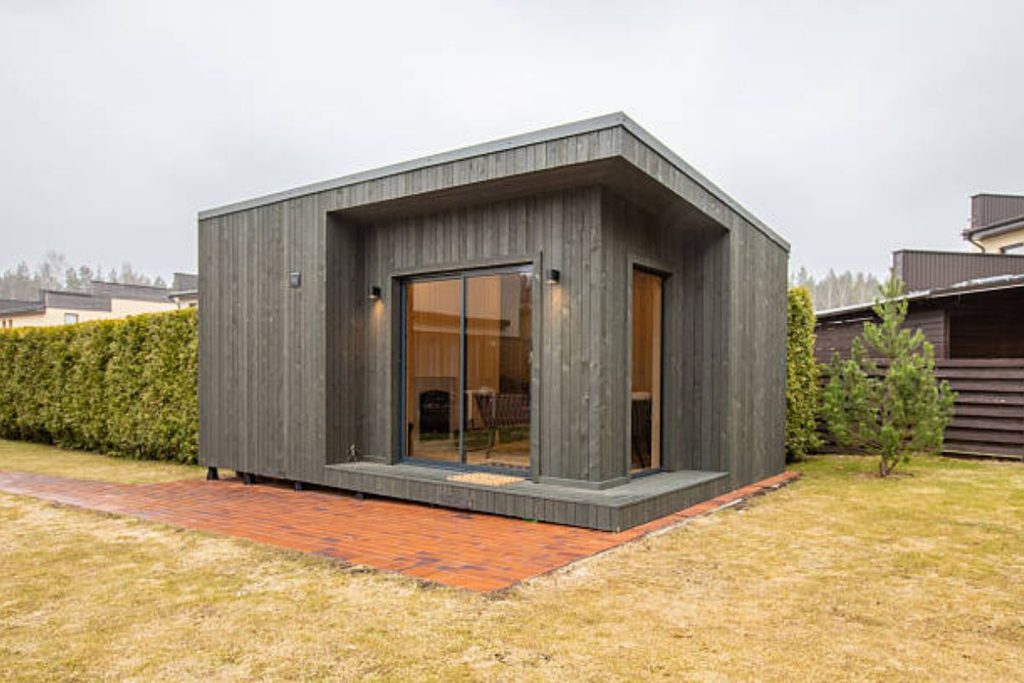
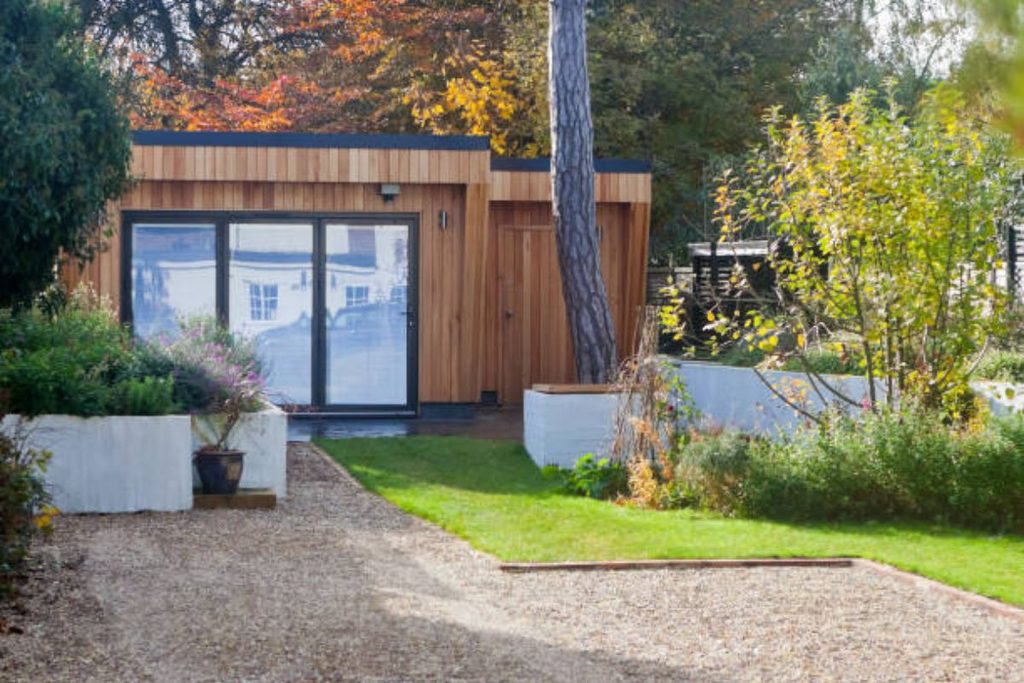
The single-purpose garden office was always a slightly odd idea. You’d invest in a proper building, insulate it, wire it up, and then use it for eight hours a day at most. The rest of the time it sat empty at the bottom of the garden. It makes far more sense to treat that space as a room that can flex around your week, and it’s a pattern showing up across the way homes are designed. Look at the shift towards flexible, multi-purpose rooms in newer builds, where a single space is expected to work as an office, a gym and a snug depending on the day. A garden room can do exactly the same, and as a separate building set slightly apart from the noise and routine of the house, it can also take on jobs that would never comfortably fit indoors.
A Room That Works Harder
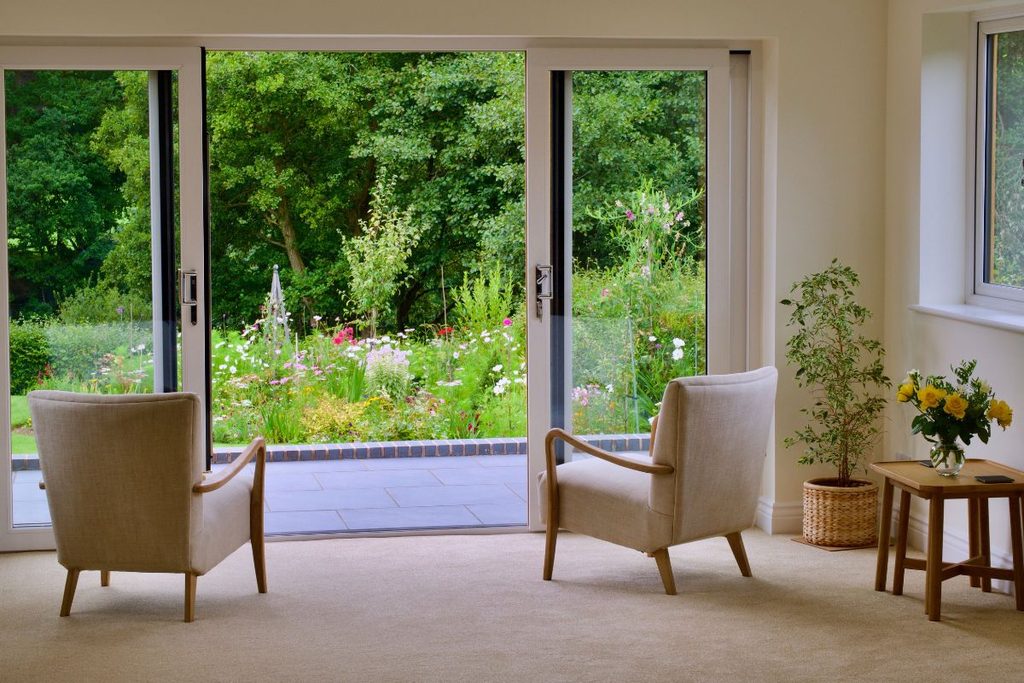
Once you stop thinking of the building as an office, the options open up. Some people turn it into a proper gym so they can train without a commute or a membership. Others use it as a hobby studio for painting, pottery or music, where the mess can stay put between sessions. Plenty treat it as a calm retreat for reading and downtime, or a sociable space with a sofa and a coffee machine for weekends. The appeal remains partly practical too, with a well-built, well-insulated garden room being just the kind of home improvement that adds lasting value. So, the space earns its keep twice over, once in daily use and again if you ever come to sell. That combination of enjoyment and return is a big part of why these buildings have moved so far beyond the home office.
A Hideaway With a Purpose
The buildings that get used the most tend to be the ones with a clear purpose behind them. Popular choices include a home gym, a yoga or Pilates space, an artist’s studio, a music room, a home cinema or a garden bar for entertaining, each giving the room a reason to exist beyond simply being spare space. There are plenty of other options to suit every interest, though, and with a bit of planning the space can be shaped from scratch around almost anything you have in mind. That is where the right specialist makes the difference, designing the building around how you actually plan to use it. Companies such as Golf Swing Systems, for instance, create garden rooms fitted out as bespoke golf studios, tailoring the ceiling height, screen and layout around your swing. A fully insulated studio like this gets used all year, and it doubles as a lounge or entertaining space when no one’s hitting a ball.
Before You Build
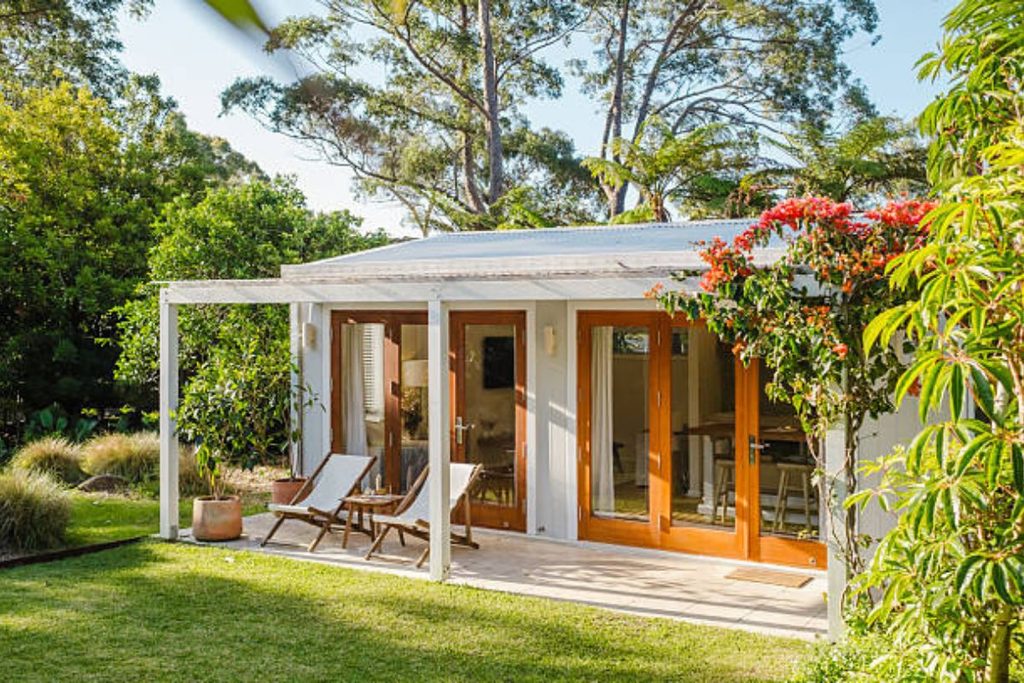
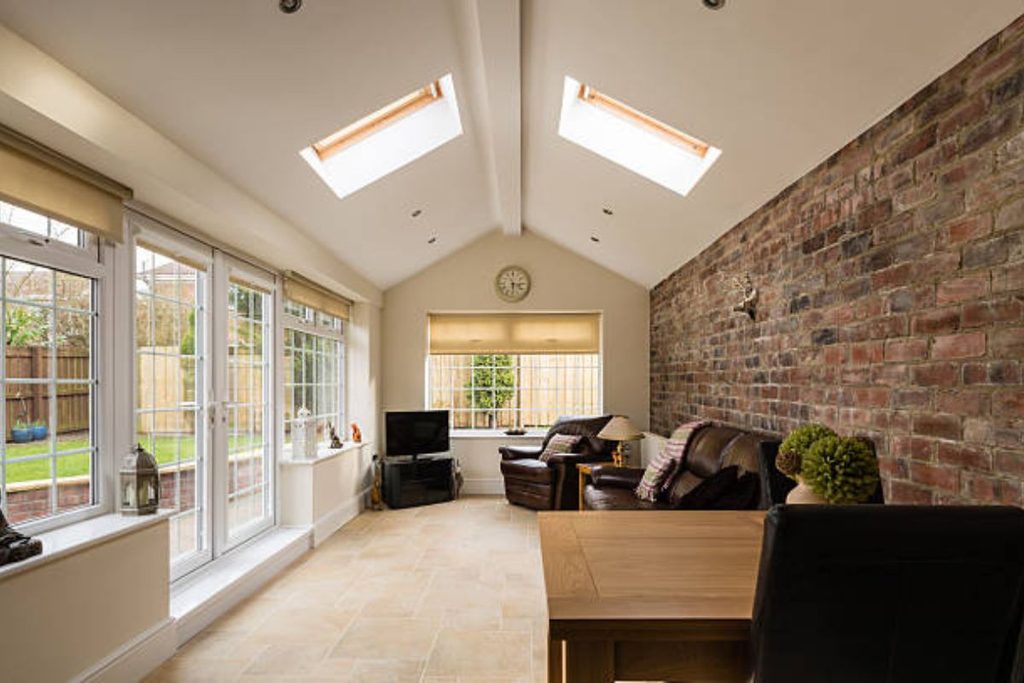
If you’re tempted, there are a few practical points worth sorting early. Insulation, heating and glazing are what turn a summer-only cabin into a room you can use in January, so they’re worth prioritising rather than adding as an afterthought. Good ventilation matters too, to keep the space fresh and free of condensation through the colder months, and to protect any equipment or furnishings inside. Planning rules may dictate what you can build and where, but the good news is that many garden buildings fall under permitted development and won’t need a full planning application. It is, however, always worth checking the development rules for outbuildings before you commit, since height, position and how close you build to a boundary all come into play. A quick read at the outset can save a lot of hassle later, especially if you live in a conservation area or own a listed property.
The garden room has grown up. What began for many as an emergency desk has turned into one of the most versatile spaces a home can have, somewhere to work, train, unwind or play depending on the day and the season. Give it a clear purpose and the right build, and the room at the bottom of the garden stops being an overflow office and becomes a genuine year-round hideaway.
Images attributed to Unsplash.com and Pexels.com.