Exploring the great outdoors with your dog is one of life’s real joys. It’s a unique way to connect and make lasting memories.
But for today’s adventurers, bringing a pet along means more than just packing a lead and a water bowl. It means committing to responsible pet ownership, making sure your animal, yourself, and others stay safe and well. This involves getting ready for anything, from everyday health needs to unexpected emergencies.

The core elements of responsible pet ownership don’t just apply at home; they become even more important when you and your pet are out and about. Being proactive helps make sure your travels are fun and stress-free for everyone.
Pre-Adventure Health Checks
Before you even pack your bags, the first and most crucial step is a visit to the vet. A pre-adventure health check makes sure your pet is physically up to the journey and whatever activities you have planned. Your vet can confirm all vaccinations are current, which is vital if you’re heading to different areas where certain diseases might be more common.
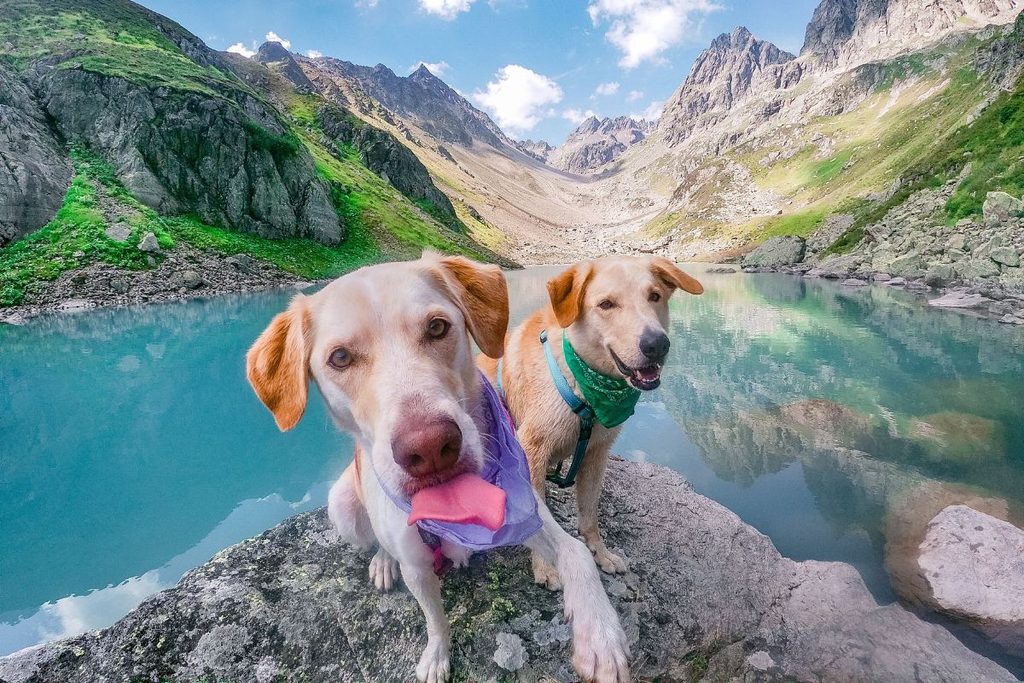
They’ll also advise on necessary parasite prevention, like treatments for fleas, ticks, and worms, which could be more prevalent at your destination. Ticks, especially, can carry diseases like Lyme disease, so good prevention is key for dogs exploring woodlands or grassy spots.
This is also a great time to talk about your pet’s general fitness. Is your dog used to long walks, or are they more of a couch potato? Be honest about what they can handle to avoid overdoing it or causing injury. If you’re planning tough hikes, you might need to slowly build up your dog’s stamina in the weeks before your trip.
Finally, double-check that your pet’s microchip details are current. If you and your pet get separated, an up-to-date microchip is the fastest, most reliable way to find each other again.
The Importance of Veterinary Care
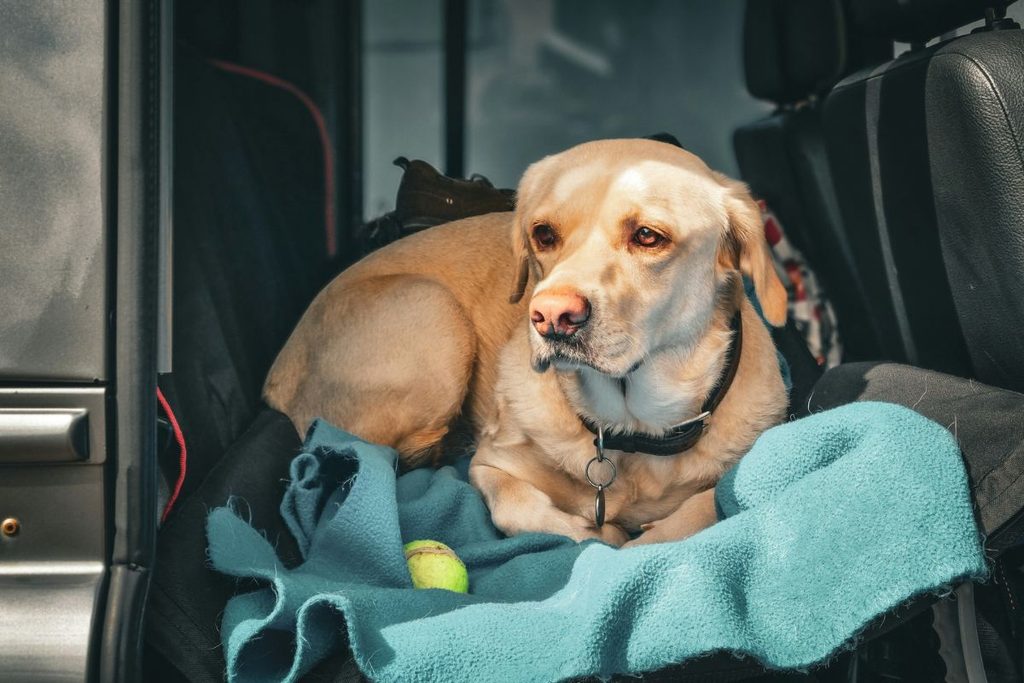
While a check-up before your trip is essential, having access to vet care during your travels is just as important. Accidents and illnesses can happen anytime, and being in a new place can make these situations even more stressful. Emergency vet treatment can cost a lot, especially for complex procedures or overnight stays. This is where a reliable financial safety net really helps.
A comprehensive dog insurance policy can help cover these unexpected costs. This lets you make decisions based on your pet’s health needs, not just what you can afford. When picking a policy, check that it covers you in different locations and understand what types of treatments are included. Some policies might cover alternative therapies or include third-party liability, which is handy if your dog accidentally causes injury or damage.
Knowing you’re financially ready for a vet emergency is a major part of pet ownership and means you can relax and fully enjoy your adventure, confident you can give your companion the best care if needed.
Navigating New Environments
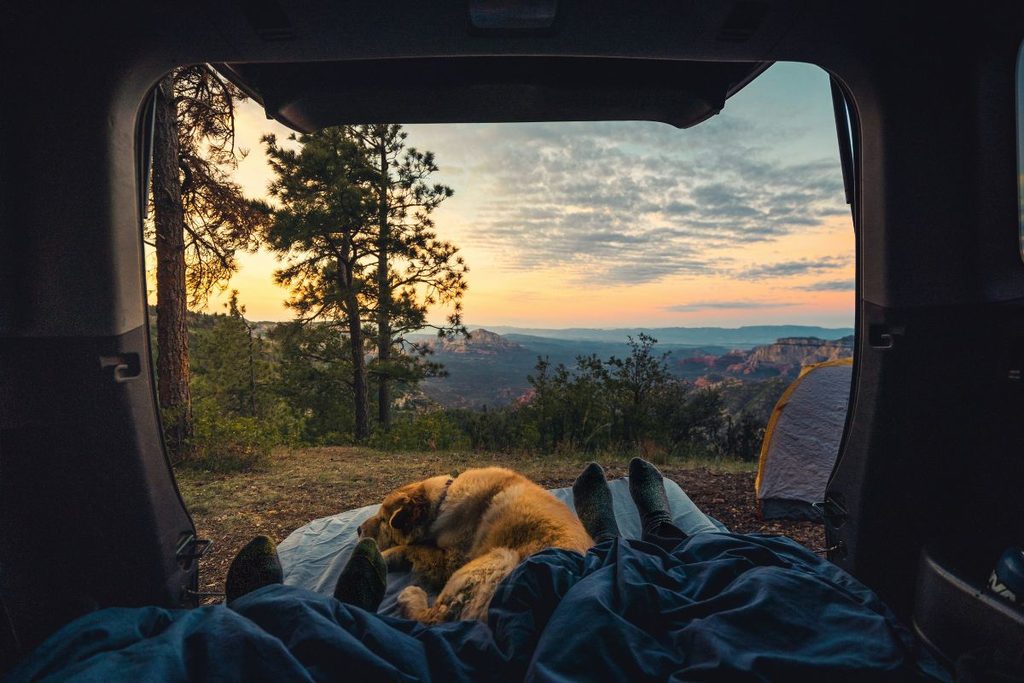
A new environment can be both exciting and overwhelming for a pet. Unfamiliar sights, sounds, and smells might cause anxiety or overstimulation. It’s up to you to help your dog settle in and feel safe.
Start by making a ‘safe space’ for them wherever you’re staying. Bring their bed, a favourite blanket, and some familiar toys to give them a sense of home. Stick to their usual feeding and walking schedule as much as possible, as routine offers comfort and predictability.
When you’re out exploring, watch out for new dangers. Keep your dog on a lead, especially in areas with unfamiliar wildlife, farm animals, or busy roads. Be careful around water; not all dogs are strong swimmers, and hidden currents can be dangerous. Also, be aware of local plants. Some common plants in one area might be toxic to dogs. A quick online search for poisonous plants in your destination can prevent a serious incident.
Pay close attention to your dog’s body language. Signs of stress like heavy panting, a tucked tail, or flattened ears mean they need a break from the stimulation. By slowly introducing them to new things, you help them build confidence and enjoy the experience without getting stressed.
Emergency Preparedness for Pets
Even with the best planning, emergencies can still happen. Being prepared can make a huge difference in how things turn out.
Before you go, find contact details and locations for vets near your destination. Save their numbers in your phone and map their clinics so you know exactly where to go if an emergency strikes. This simple step can save precious time and reduce panic in a stressful situation.
It’s also smart to carry a dedicated pet first aid kit. A basic kit should include bandages and sterile wound dressings, antiseptic wipes, surgical tape, blunt-ended scissors, and tweezers for removing splinters or ticks. Don’t forget an instant cold pack and your vet’s emergency contact number.
Learn basic first aid procedures as part of your pet ownership, like how to treat a minor cut, what to do if your dog shows signs of heatstroke, or how to respond to an insect sting. Spotting early signs of distress is crucial. For example, heatstroke can get serious fast, so knowing to look for excessive panting, drooling, and lethargy lets you act quickly by moving your dog to a cool place and applying cool water to their body. This level of preparedness ensures you’re your pet’s best advocate in an emergency.
Making Memories Safely
The main goal of any adventure with your pet is to have fun and make good memories together. You can best achieve this by always putting safety first and respecting your surroundings. Always follow local rules about dogs. This includes leash laws and any restrictions on where dogs are allowed, like certain beaches or nature reserves. Being a thoughtful owner means always cleaning up after your pet, leaving no trace behind.
During activities, watch your dog for signs of tiredness or discomfort. Give them plenty of fresh water to keep them hydrated, especially in warm weather or during strenuous exercise. A collapsible water bowl is a light and handy accessory for any trip. Avoid letting your dog drink from still water sources like puddles or ponds, as they can contain harmful bacteria or parasites.
Also, be mindful of their paws. Hot pavements can cause burns, while rough terrain can lead to cuts and scrapes. Check their paws regularly for any injuries. By making safety a constant priority, you ensure your adventures are memorable for all the right reasons.
Ultimately, travelling with your pet is a rewarding experience that strengthens your bond. Responsible pet ownership provides the framework that makes these adventures possible, ensuring your loyal companion stays happy, healthy, and safe wherever your journey takes you.
Images courtesy of unsplash.com and pexels.com