Detroit’s grand architecture tells much of the story. Beaux-Arts facades, Art Deco towers and former industrial buildings recall the city’s extraordinary past, while its streets are now home to a new generation of restaurants, galleries and cultural spaces.
Food is as intrinsic to the identity in Detroit as its architecture. The city’s burgeoning dining scene has produced a new generation of chefs and restaurants, including James Beard-nominated talent, while its selection as one of six cities for the forthcoming MICHELIN Guide American Great Lakes is putting further focus on Detroit’s culinary credentials.
Some of the best places to experience this meeting of architecture, design and dining are the city’s hotels. Across downtown, historic buildings have been reimagined as places to stay, preserving their architectural character while introducing contemporary interiors, considered design and restaurants worth travelling for.
Here are five of Detroit’s most distinctive addresses.
ROOST Detroit
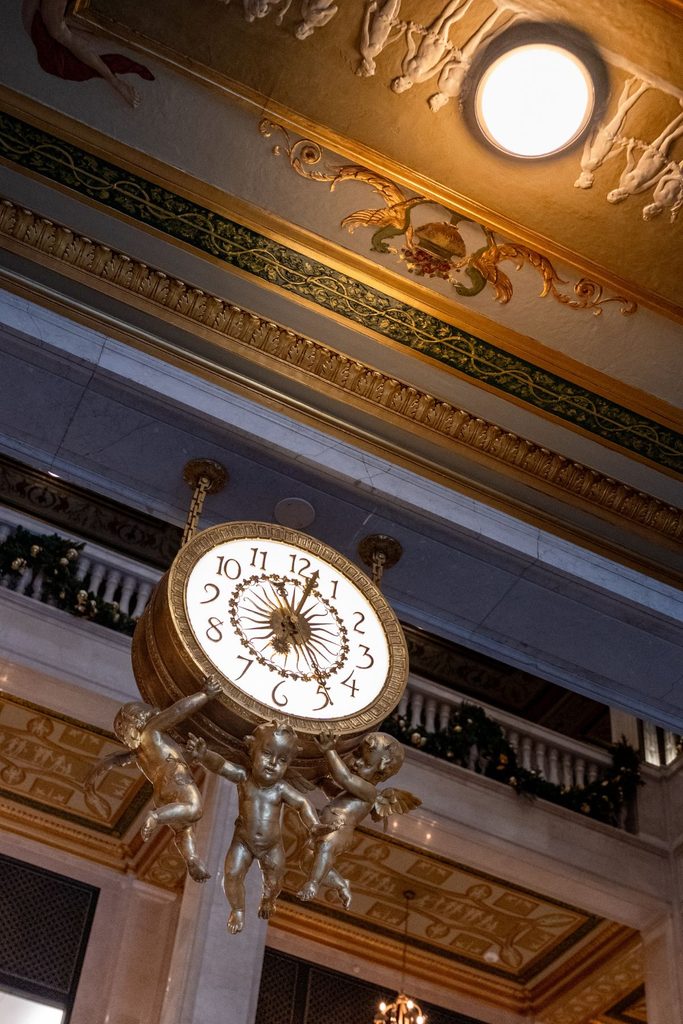
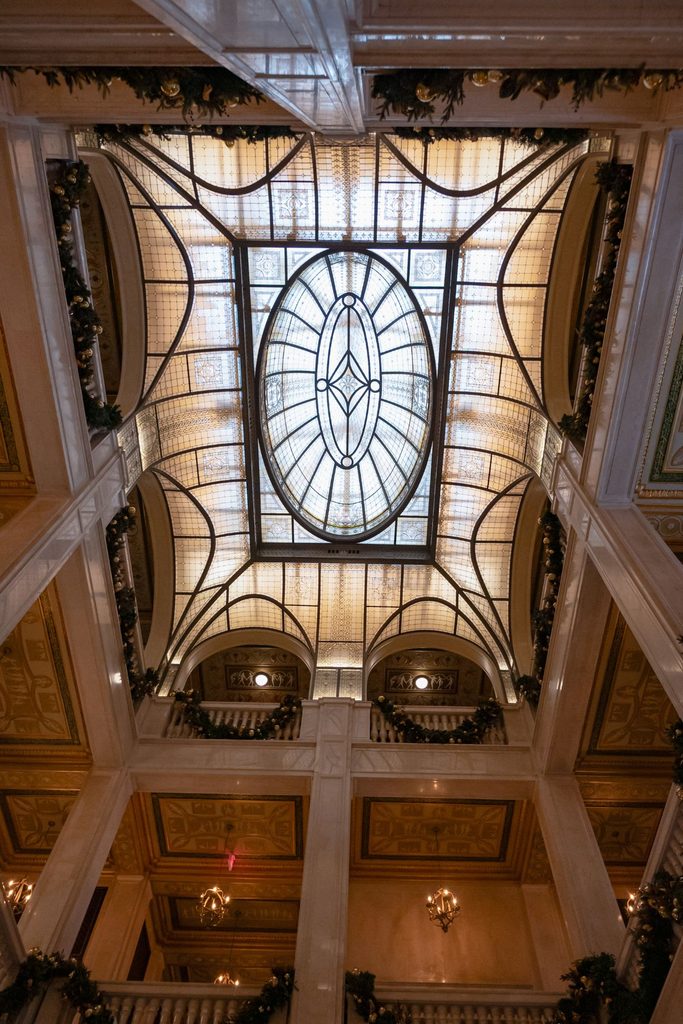
Few Detroit hotels are as closely connected to the city’s architectural heritage as ROOST, which occupies part of the restored Book Tower in downtown Detroit.
Designed by Louis Kamper in the 1920s, the 38-storey building was once one of the city’s great landmarks. Its restoration has returned many of its original details, including the spectacular three-storey rotunda, where a cast-iron and brass dome incorporates 6,000 pieces of glass and 7,000 jewel-like embellishments.
The 117 rooms and suites take a residential approach, with fully equipped kitchens, living areas and generous proportions. Dining is equally central to the experience, with French brasserie Le Suprême, Japanese restaurant Hiroki-San and rooftop bar Kamper’s all housed within Book Tower.
Shinola Hotel
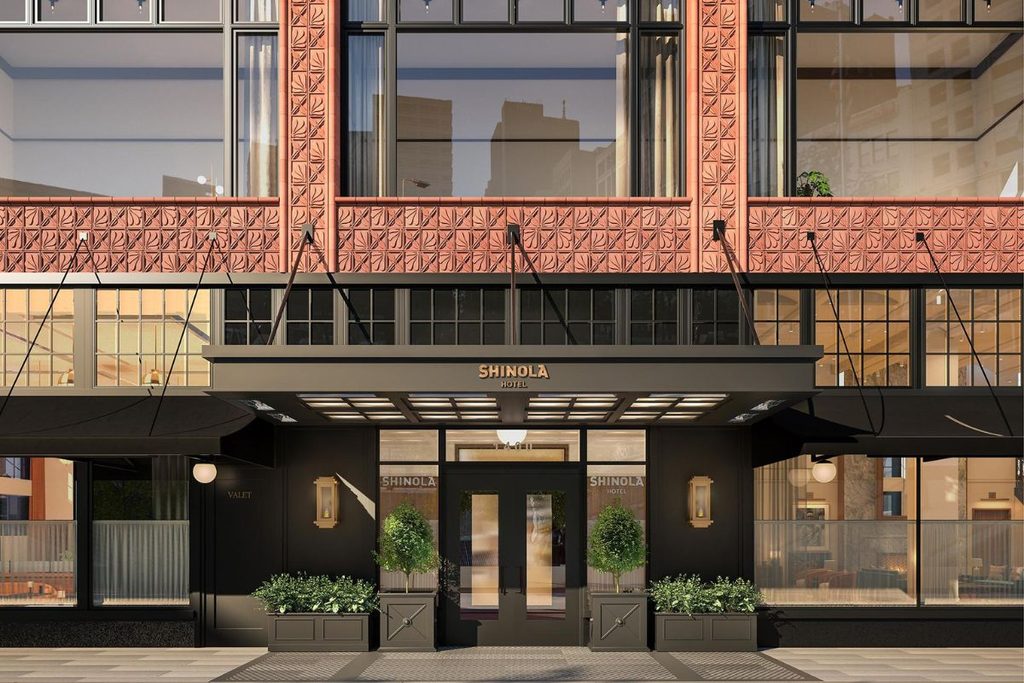
If ROOST reflects Detroit’s grand architectural past, Shinola Hotel offers a more contemporary expression of the city’s long-standing relationship with design and craftsmanship.
The hotel brings together five historic buildings on Woodward Avenue, including the former T.B. Rayl hardware and sporting goods store and the Singer Building. The main Rayl building dates from 1915, while the Singer Building was designed by Detroit architectural firm Smith, Hinchman and Grylls.
The restoration was guided by the buildings themselves. Original materials were retained wherever possible, while discoveries made during the renovation informed the interiors. A paint chip found in the Singer Building, for example, inspired the colour now known as Shinola blue.
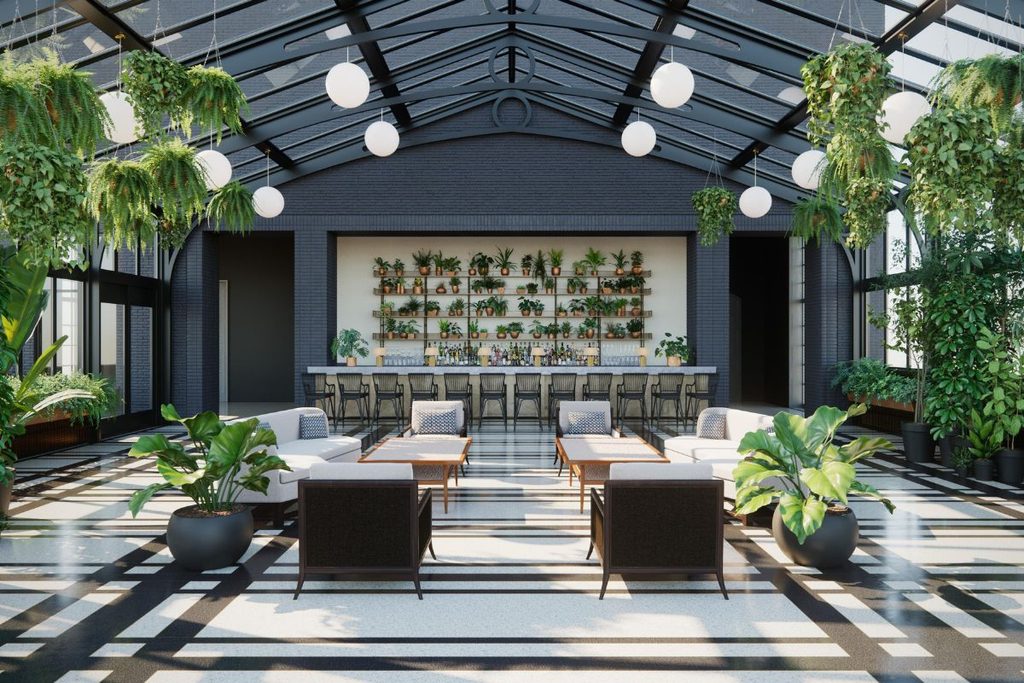
That attention to craftsmanship continues through the 129 rooms and suites, where custom furnishings and a residential feel take precedence. Larger suites and penthouses add fireplaces, living spaces and terraces overlooking Woodward Avenue.
Food is central to the hotel, with Italian restaurant San Morello and the hotel’s bars adding to its appeal. In 2024, Shinola became the first hotel in Detroit to receive a MICHELIN Key, recognising its architecture, design, service and character.
Hotel David Whitney, Autograph Collection
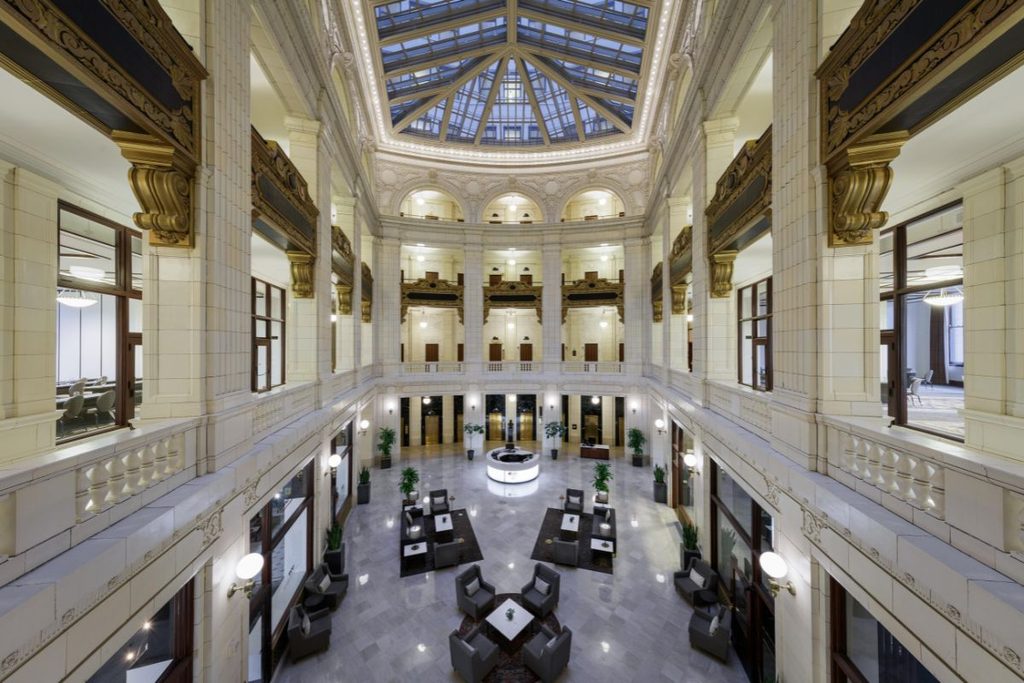
The David Whitney Building has been part of Detroit’s skyline since 1915. Designed by Chicago architect Daniel H. Burnham & Co., the Neo-Renaissance landmark was commissioned as a prestigious address for Detroit’s medical professionals and today houses Hotel David Whitney, Autograph Collection.
Its four-storey atrium remains the defining space, with a vast skylight illuminating the marble and terra cotta detailing below. The Library Bar brings a more intimate atmosphere, with bookshelves, rich wood interiors and a piano.
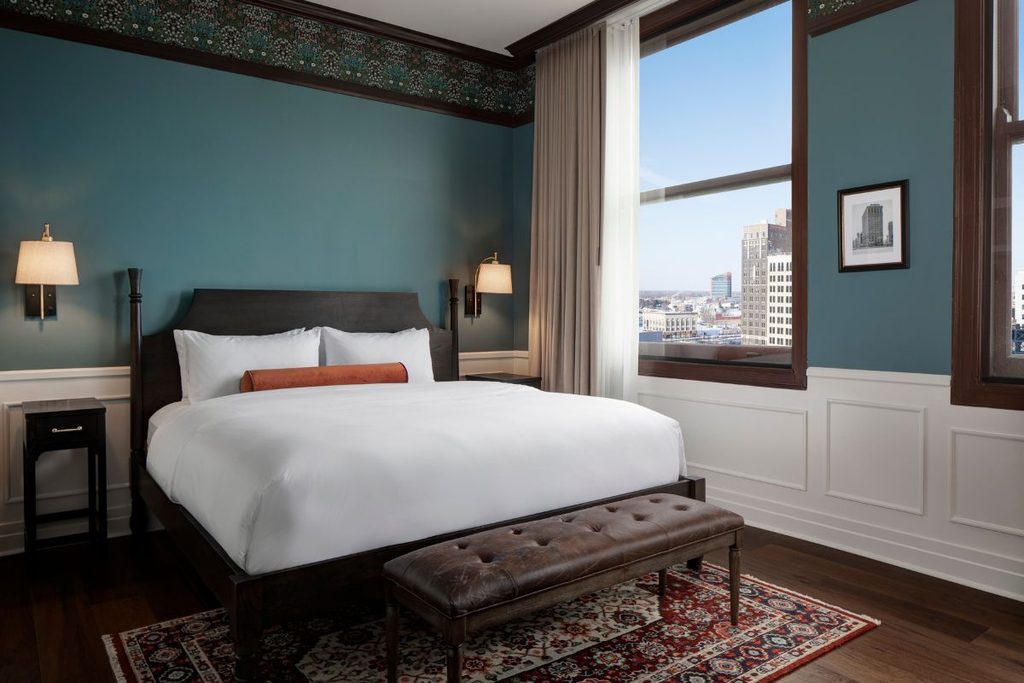
The 160 rooms and suites continue the building’s grand proportions, with high ceilings, generous windows and furnishings inspired by its architectural heritage. The lobby has also received a Detroit Design Award.
Detroit Foundation Hotel
The former Detroit Fire Department Headquarters has found a very different purpose as the Detroit Foundation Hotel. Built in 1929, the building retains much of its original firehouse character, including the scale and industrial detailing of its former engine room.
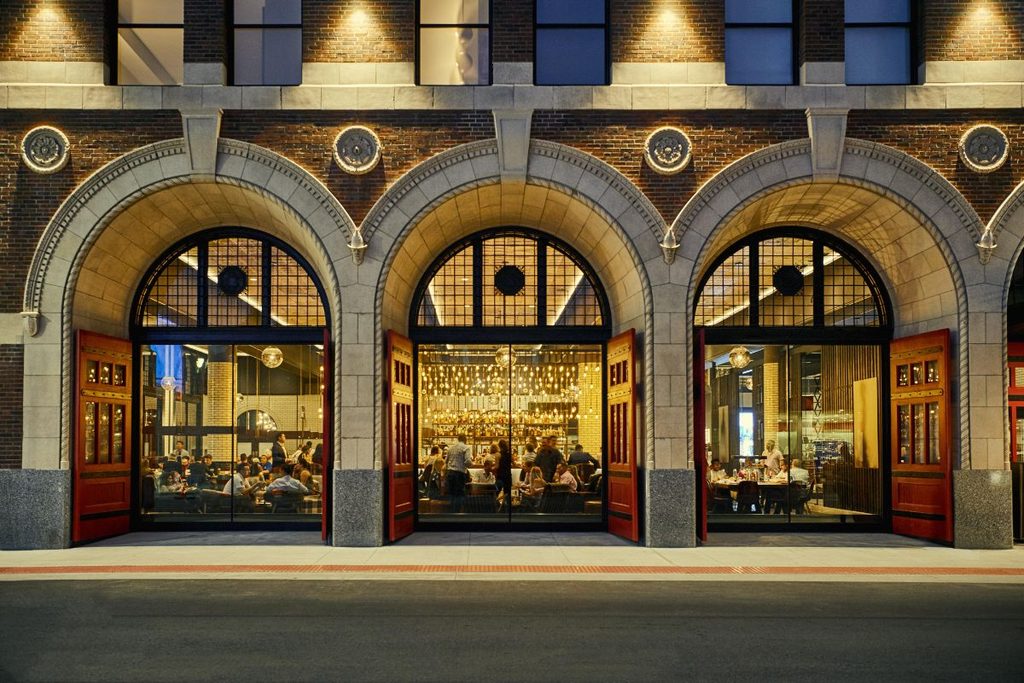
That space now houses the Apparatus Room, the hotel’s restaurant and bar, where contemporary dining takes place beneath the high ceilings of the former fire station.
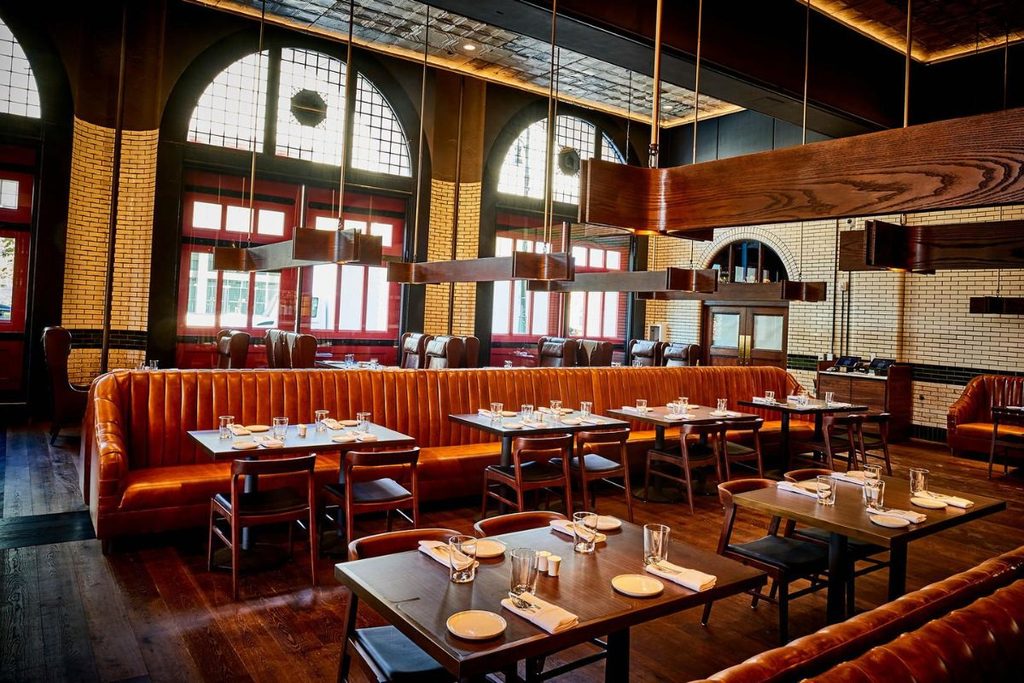
The result is a hotel where the building’s former life remains part of the experience, rather than simply providing a backdrop for the interiors.
The Siren Hotel
The Siren brings a more theatrical sensibility to Detroit’s historic architecture. Housed in the former Wurlitzer Building, the 1920s landmark was once home to the Wurlitzer Company, whose musical instruments became part of American cultural history.
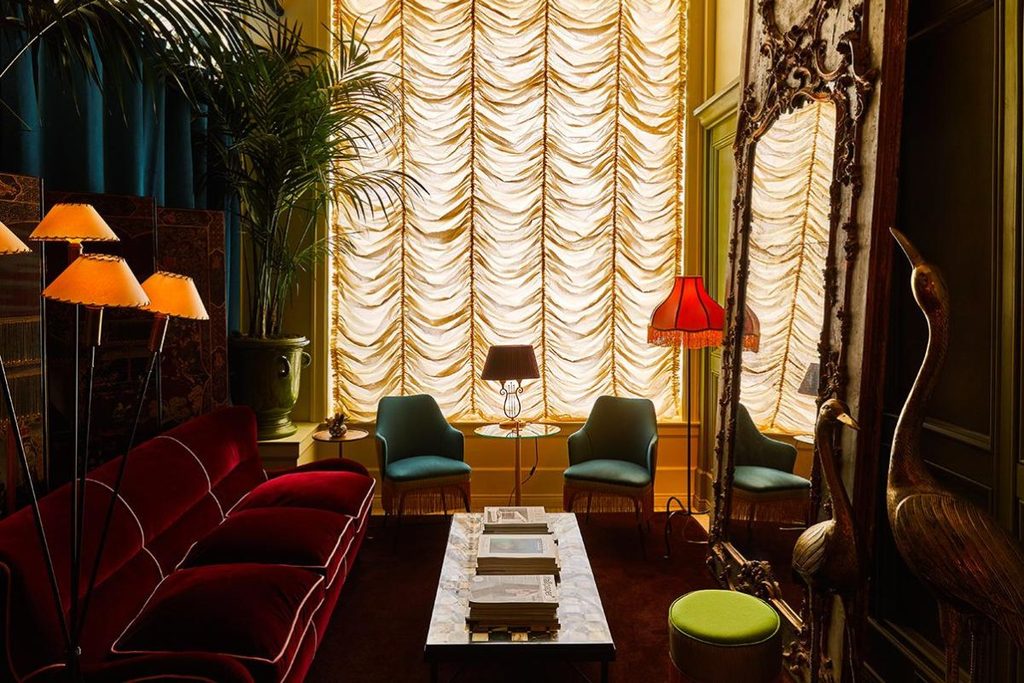
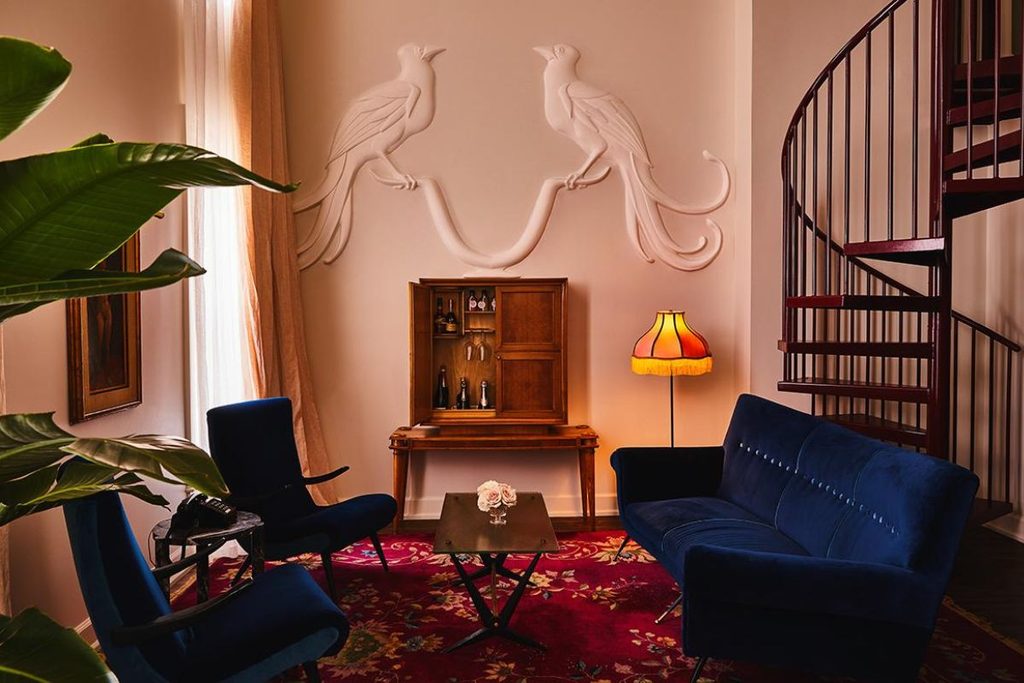
ASH’s interiors take the building in a more expressive direction, using colour, pattern and texture across its public spaces, restaurants and bars. The 106 rooms and suites are more intimate, with custom terrazzo bathrooms and retro-modern furnishings.
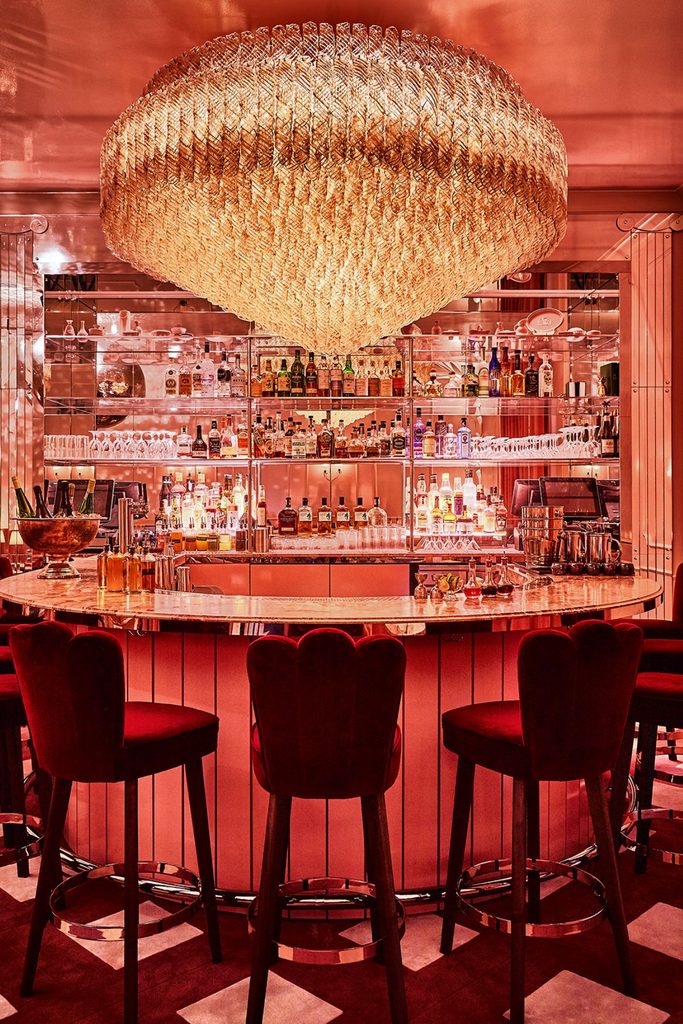
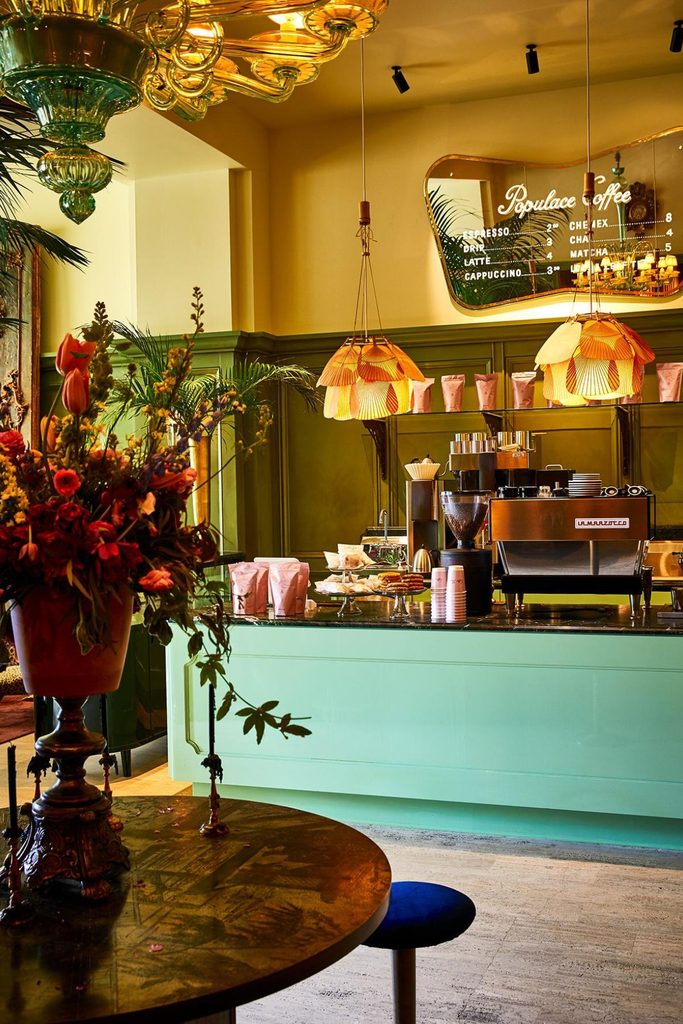
Recognised in Condé Nast Traveler’s Readers’ Choice Awards in 2021, The Siren offers a more playful interpretation of Detroit’s design scene, with a scale and atmosphere that sets it apart from the city’s grander hotels. Detroit’s Most Beautiful Hotels: Historic Architecture, Contemporary Design and Modern Luxury
Images supplied