When you think of Mont Blanc, it’s usually the mountain itself that comes to mind: the iconic silhouette of its snow-covered summit, the glaciers, the hikers, perhaps the mountaineers. But this summer I spent a few days exploring Haute-Savoie for H&N Magazine and quickly discovered that this is so much more than a winter escape. It has an entirely different story to tell…
This is a story that encompasses more than just mountains. It is also vineyards and villages, ancient thermal waters and wild waterfalls, centuries-old stonework and botanical gardens, mountain trails and long lunches with local wine. Yes, Mont Blanc provides the spectacular backdrop; but there is a real and unexpected pleasure in discovering the many wonders that surround it.
A taste of the Alps
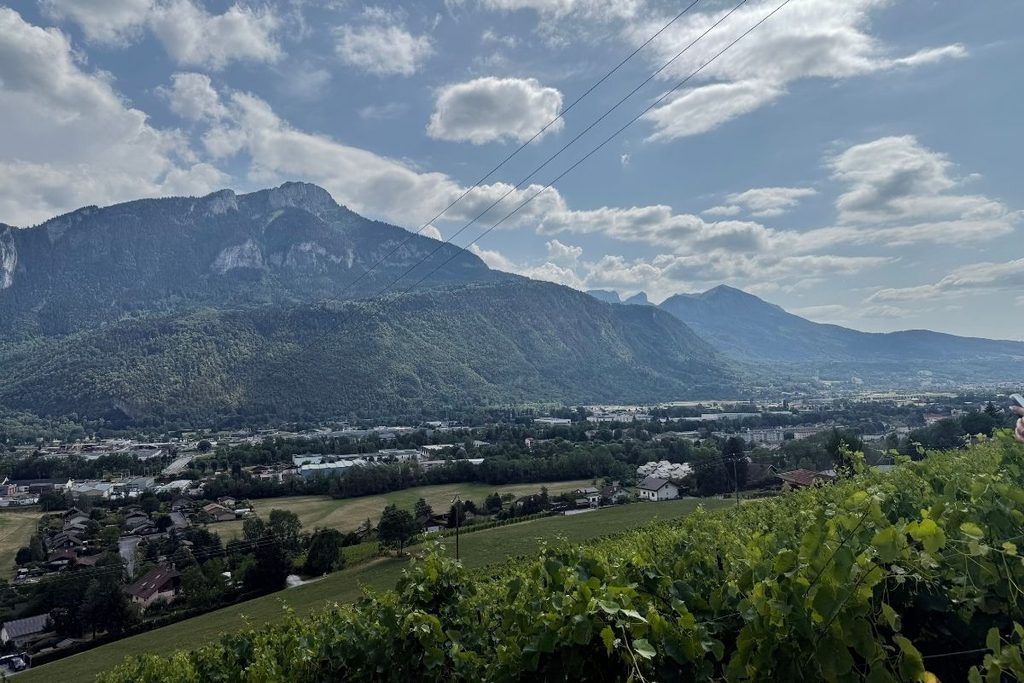
My first taste of Haute-Savoie came through one of the region’s more unexpected pleasures… wine. The vineyards around Faucigny are a world away from the vast expanses you might associate with Bordeaux or Champagne, they instead occupy pockets of land between the mountains, creating a landscape that is uniquely alpine.
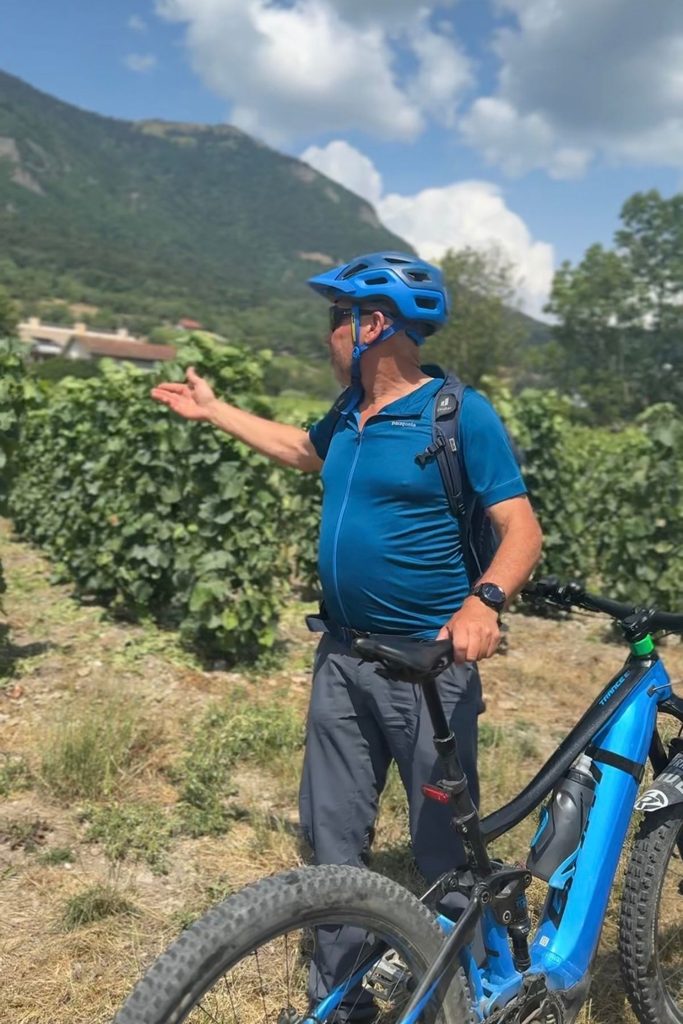
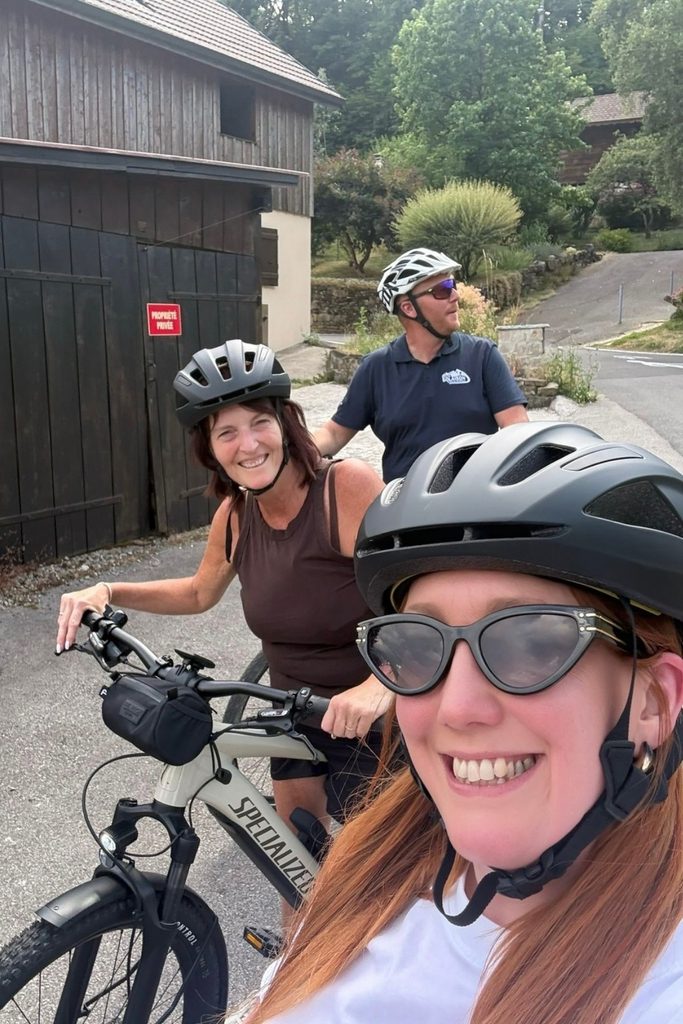
And one of the best ways to experience the vineyards? By e-bike! Although I have e-biked before, a gentle ride through the vineyards in the Alps is something rather different and special, and is an experience I’d recommend even if you don’t consider yourself a cyclist. The electric assistance takes the effort out of the hills, leaving you free to enjoy the scenery and the stories behind the wine. And after exploring the vineyards and mountain views, there is only one sensible thing to do.
Actually taste the wine, of course.
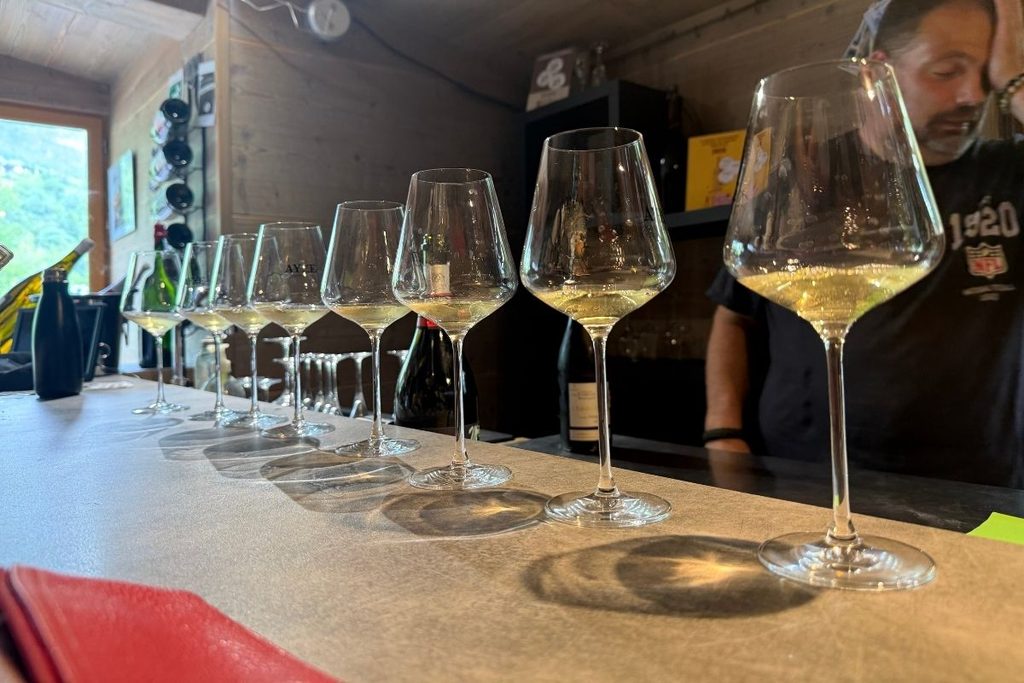
The vineyards produce wine from the distinctive local Gringet grape, which you can discover through guided experiences such as Échappée Gourmande à Vélo around the Ayze vineyards, combining an accessible ride with local flavours. The guided experience costs around €25 per adult, with bike hire available separately.
Where to stay: Hôtel Le Saint Gervais
My first night in the Alps was spent at the gorgeous Hôtel Le Saint Gervais, a four-star property in the heart of Saint-Gervais-les-Bains.
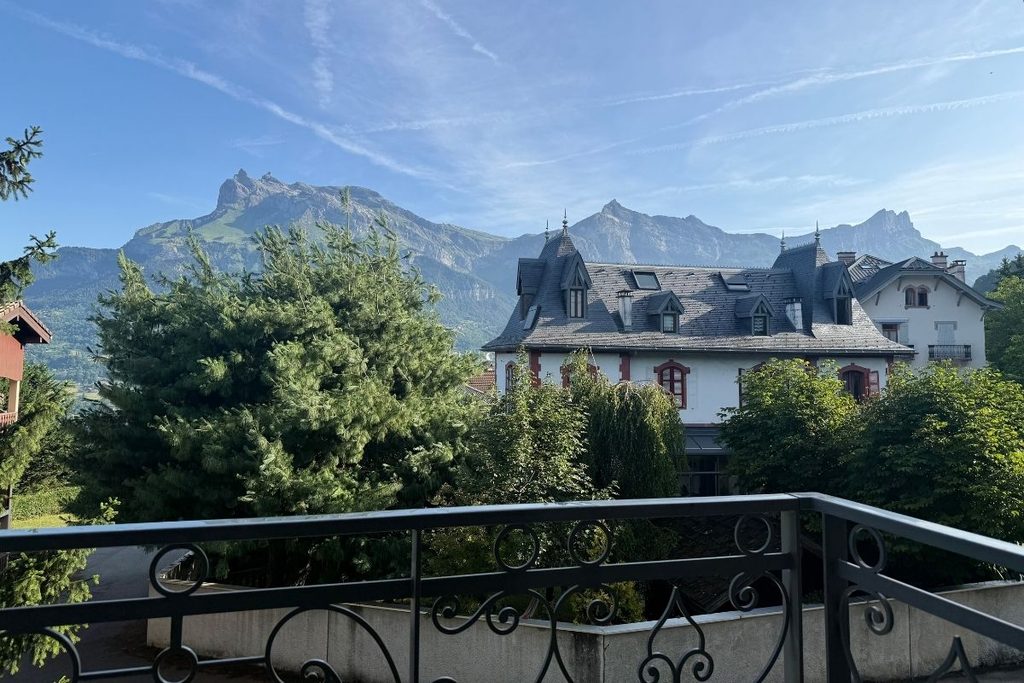
Set within a historic early-20th-century mansion, the hotel has been given a stylish contemporary makeover while retaining its Art Nouveau character. It is also the first property in Accor’s Handwritten Collection, with the owner’s passion for Ottoman culture woven into the design.
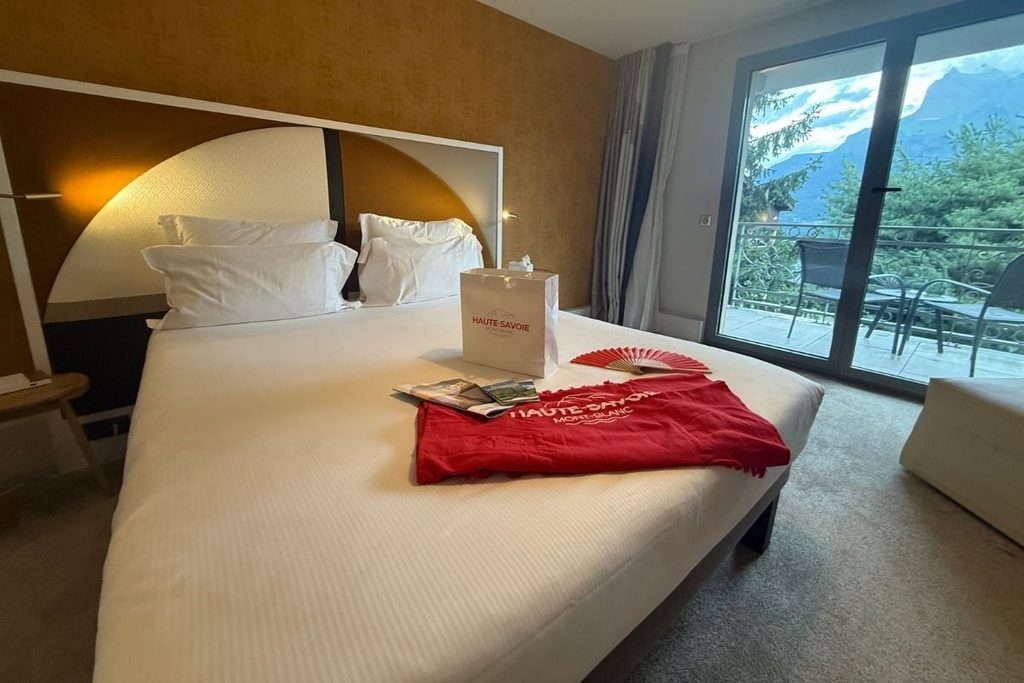
I stayed in a Classic Double, with a queen-size bed, contemporary and Art Nouveau-inspired interiors, and (importantly), a balcony. Every one of the hotel’s 75 rooms and suites has a balcony and mountain views, so waking up to the Alps is very much part of the experience. The hotel has a fantastic location, with the famous Tramway du Mont-Blanc situated directly opposite.
One thing to note however if you’re booking specifically for the wellness facilities: the hotel’s own spa was closed during my stay and is currently closed for renovations. Treatments and massages remain available, and hotel guests can also benefit from a 10% discount on entry to the nearby Thermes de Saint-Gervais (more on this spectacular spa later). It’s an excellent base for exploring this corner of Haute-Savoie, with the village, mountains and railway all right outside the door.
Rooms are currently available from around €125 – €130 per night for a Classic Double, including taxes, although rates vary according to dates and availability.
Take the Tramway du Mont-Blanc
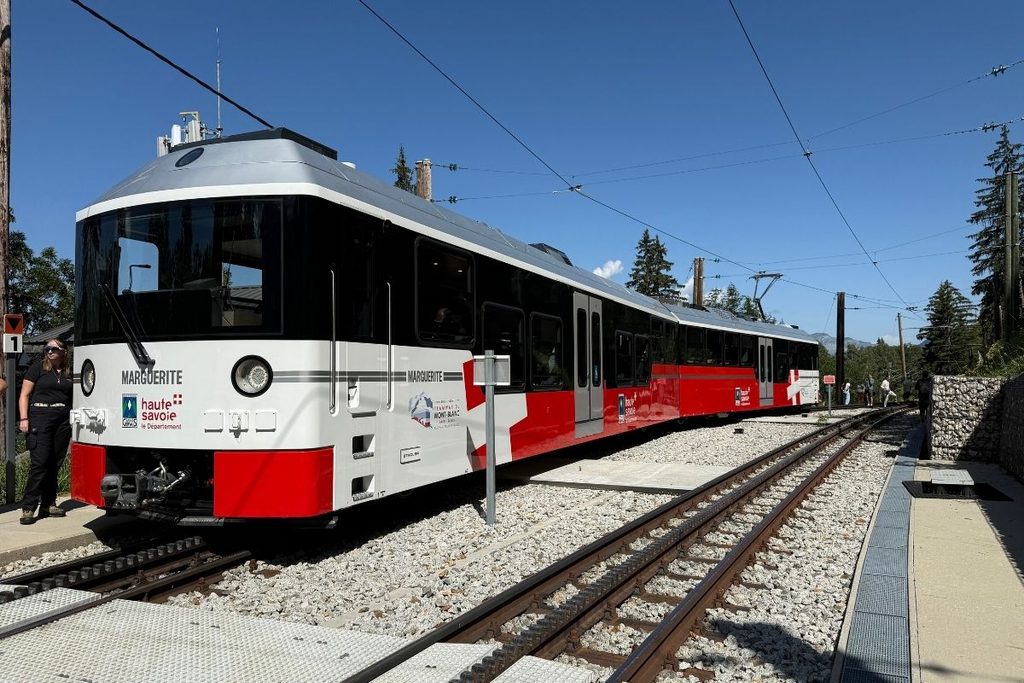
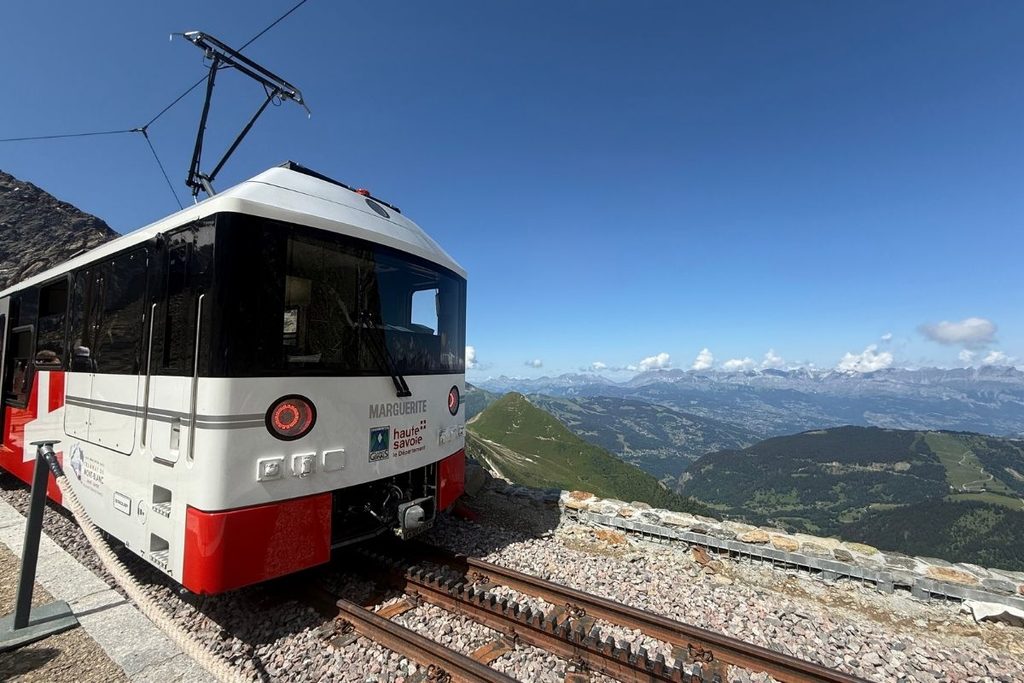
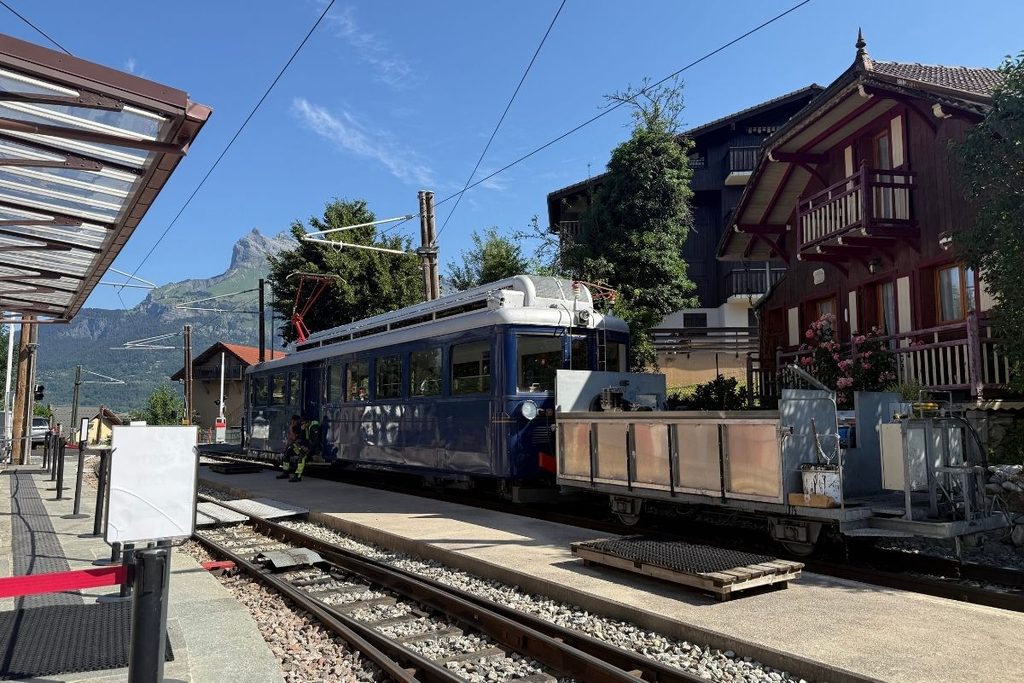
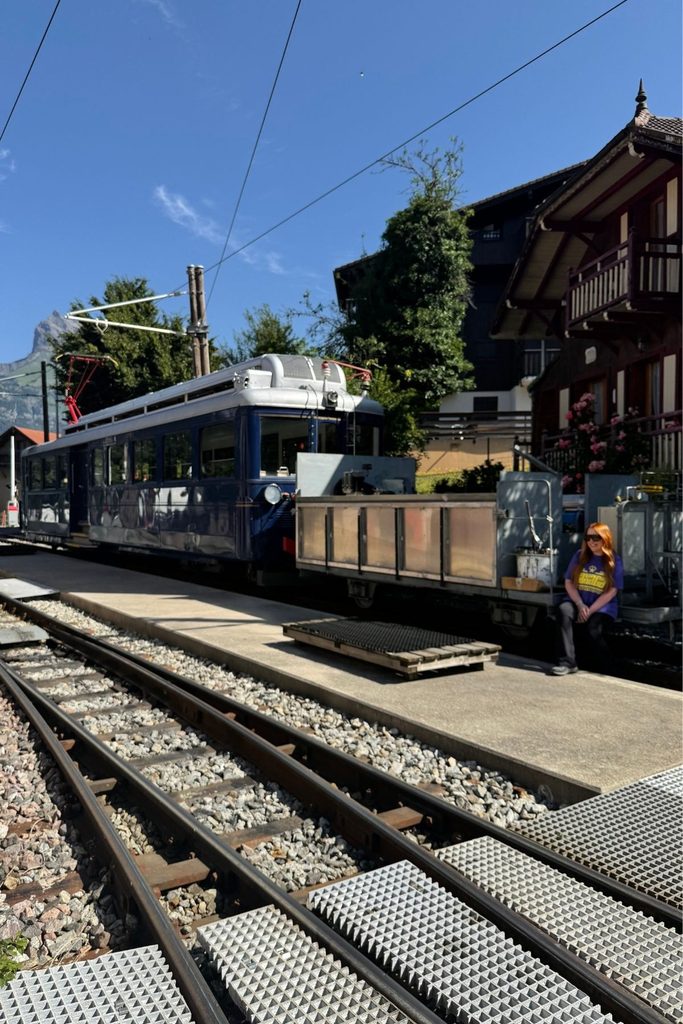
From Saint-Gervais, one of the region’s most iconic journeys begins almost on the hotel’s doorstep. The Tramway du Mont-Blanc has been carrying visitors into the high mountains for more than a century, but in summer 2026 it reached a new chapter in its remarkable history.
The first section of the railway opened in 1909, reaching the Col de Voza at 1,653m. By 1913, the line had reached the Nid d’Aigle, at around 2,372m, becoming a gateway for mountaineers heading towards the higher routes on Mont Blanc. There had always been ambitions to take the railway even further, but the outbreak of the First World War in 1914 brought those plans to an end.
More than a century later, the story has moved on. A major investment programme has modernised the railway and, after a three-year construction project, the final 300 metres of track to the Nid d’Aigle were completed. A train first reached the new infrastructure in October 2025, with the new summer terminus opening to passengers in 2026.
The new arrival is at 2,412 metres, directly beside the Nid d’Aigle refuge, with a stabilised, level platform and a new observation area offering views towards the seracs of the Bionnassay Glacier. The £7.4 million equivalent project was designed not only to complete this historic section of railway, but to make the high-altitude destination more accessible.
For mountaineers, Nid d’Aigle remains an important gateway towards the Tête Rousse and Goûter refuges and the normal route up Mont Blanc. For the rest of us, it offers something rather extraordinary: the chance to travel deep into the high Alps and stand at the foot of a glacier without having to climb there yourself!
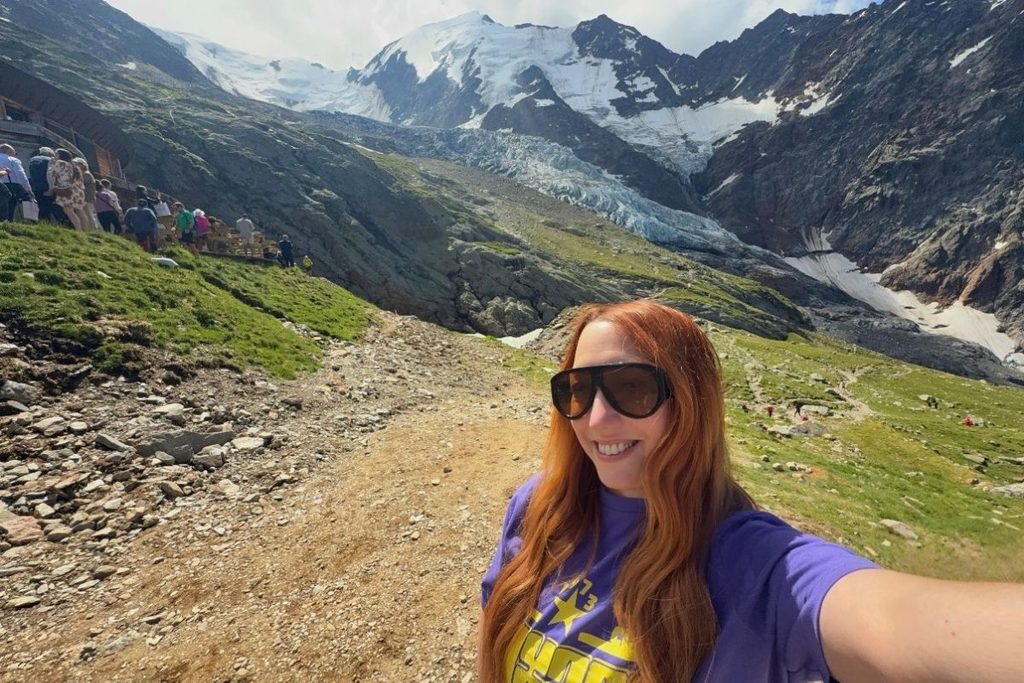
The journey itself is part of the whole experience. The cog railway climbs 12.4km and 1,832 metres of elevation from Le Fayet, passing through forests, alpine meadows and increasingly dramatic mountain scenery, with the whole ascent taking around an hour. It is a quintessentially old-fashioned way to travel into the mountains and it is amazing to watch the landscape unfold before stepping off the train at 2,412 metres with the Bionnassay Glacier right in front of you. The glacier itself is an awe-inspiring sight, and getting up close and personal with one should definitely be added to your Alpine bucket-list.
It’s also really affordable: a 2026 adult return ticket from Le Fayet or Saint-Gervais to Nid d’Aigle costs just €40.
E-biking and why it belongs on your Alpine itinerary
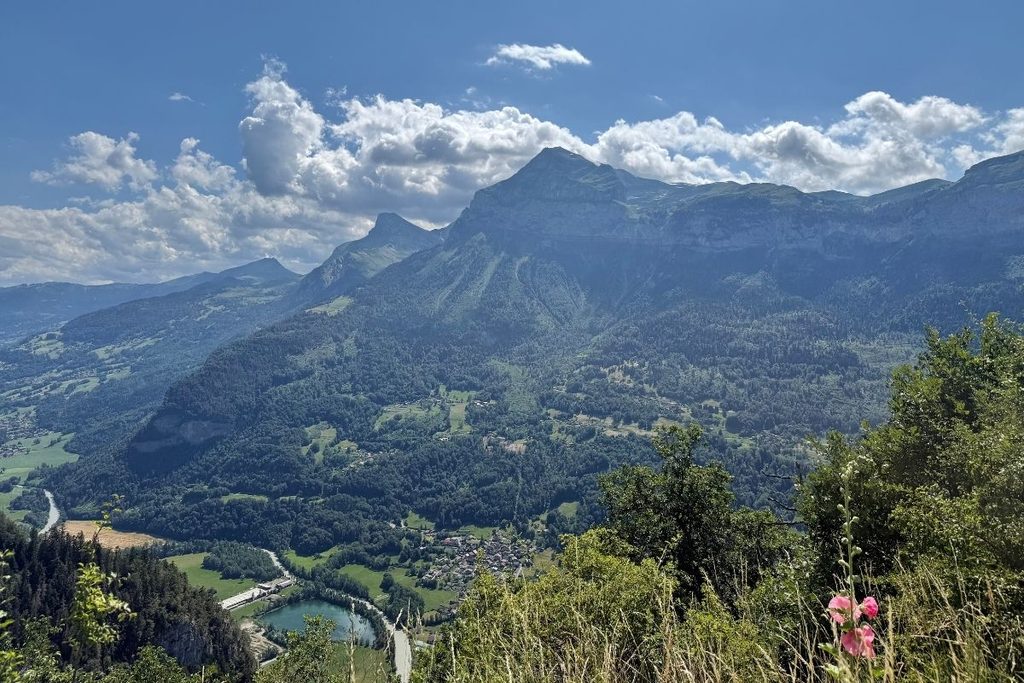
The following day brought a very different cycling experience to my gentle vineyard ride. I’ve e-biked in the mountains before, but I still get that familiar frisson of nerves when I’m handed a bike and told we’re heading off into the hills. There’s something about looking up at an Alpine trail and thinking “I’m supposed to cycle up there?” but, despite my reservations, within minutes, the nerves gave way to the sheer enjoyment of being out in the landscape with a guide leading the way.
For anyone who isn’t an experienced mountain biker, I’d recommend going with a guide. It is of course, significantly easier than traditional mountain biking, but you still have to pedal, steer and negotiate the terrain. The electric assistance simply makes the climbs more manageable, allowing you to cover more ground and reach places that might otherwise feel out of reach.
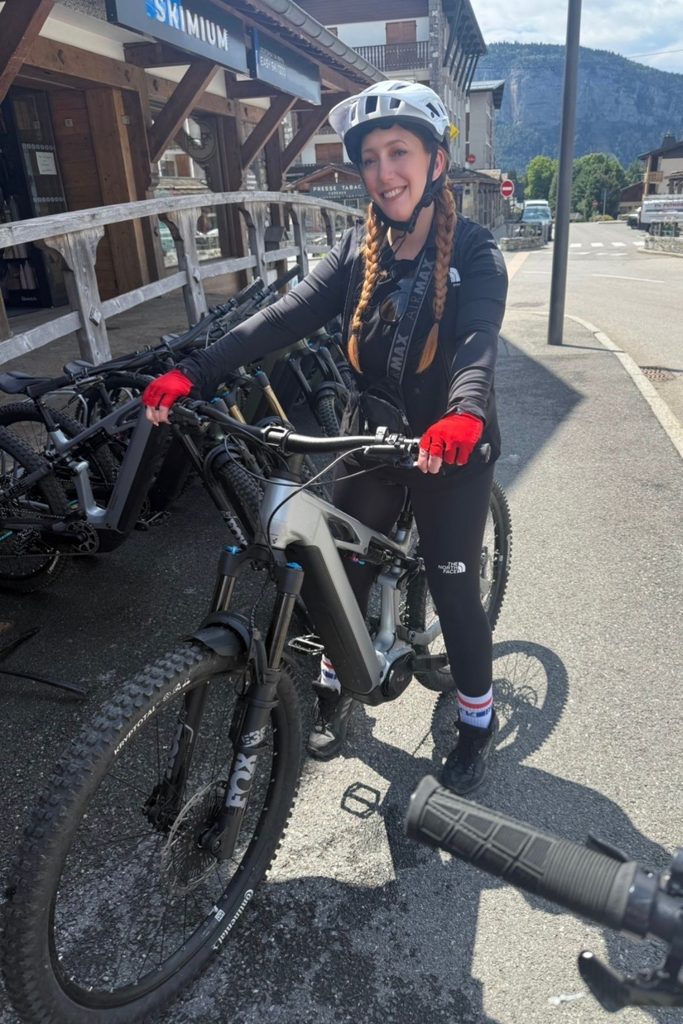
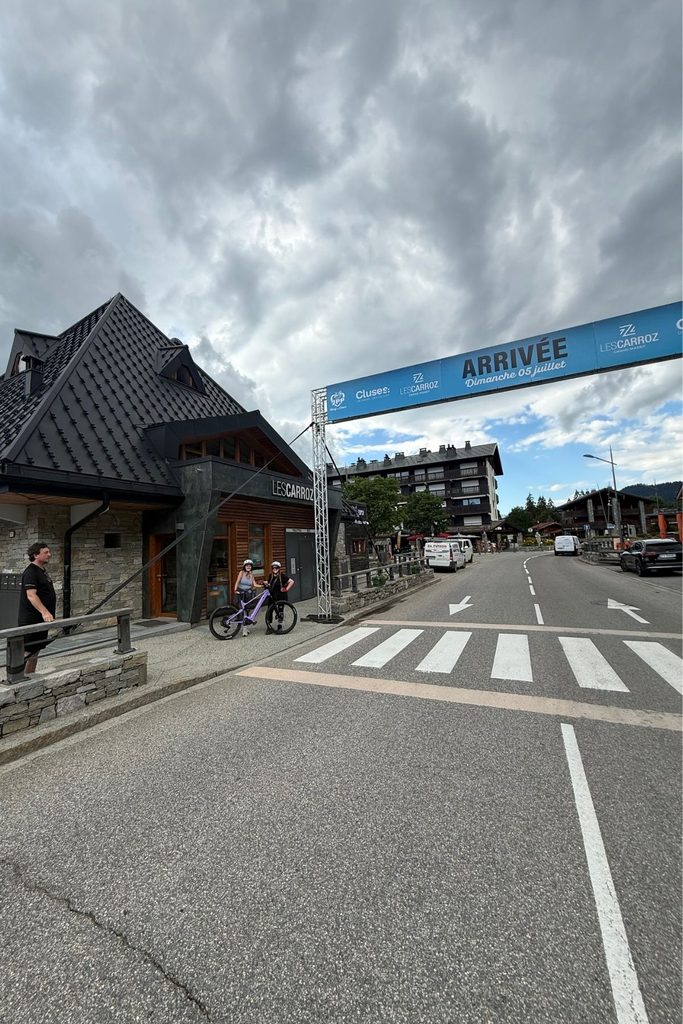
Your guide will tailor the route to your ability, help you get to grips with the bike and take you across a mix of forest tracks, mountain paths, climbs and descents, with plenty of opportunities to stop and take in the views.
Electric mountain bikes can be hired from around €15 an hour / €39 half-day / €52 full day, while guided experiences start from €59 for 1.5 hours, dependent on the provider.
Visiting Chamonix
No trip to Haute-Savoie would feel complete without spending time in Chamonix.
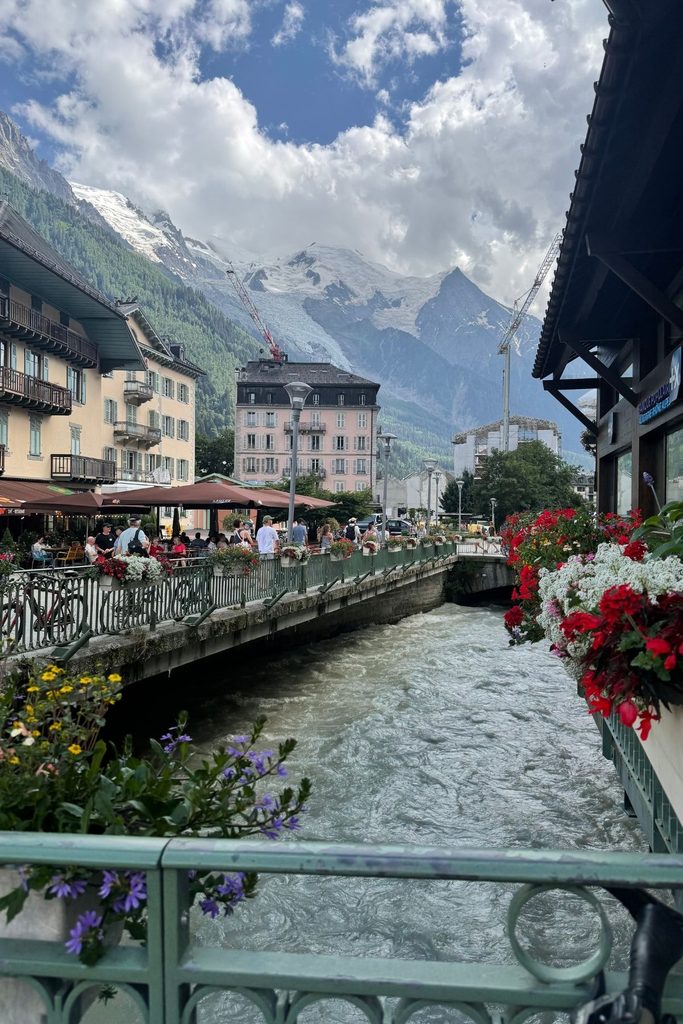
The town sits beneath the Mont Blanc massif and has long been associated with mountaineering, skiing and the pursuit of the high Alps. It does however have a personality beyond its outdoor credentials, with grand buildings, cafés and shops all set against an almost theatrical mountain backdrop. This is a place to wander, linger and soak up the buzz, as well as being a base for adventure.
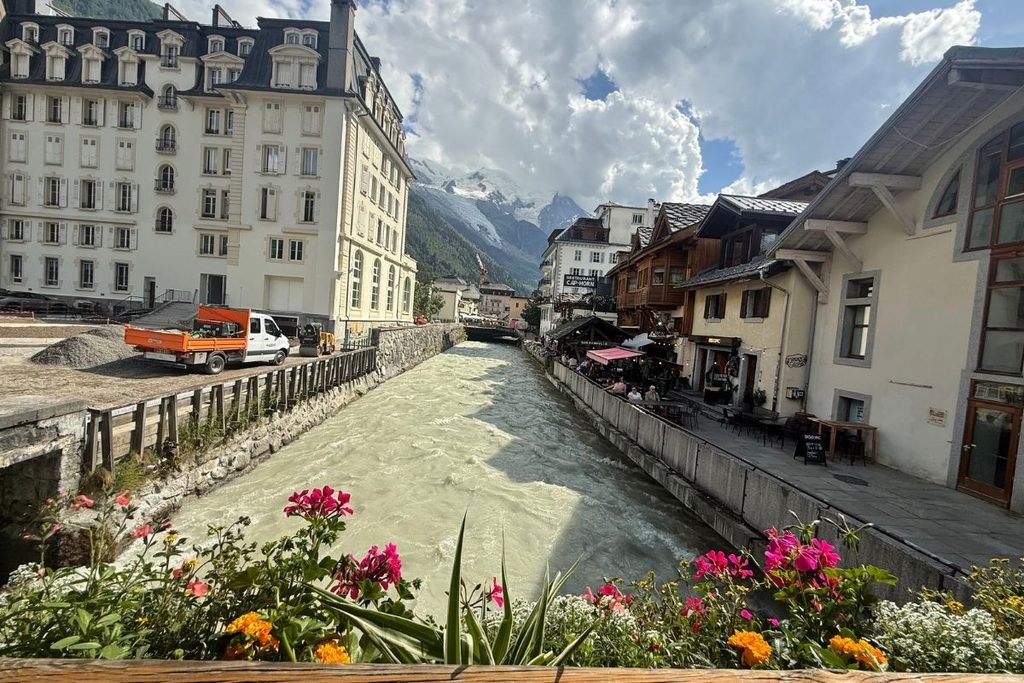
We spent time exploring the town before visiting the newly reopened Mont Blanc Museum, which opened on July 11th 2026 following five years of renovation, marking the centenary of the former Alpine Museum. The new museum has 1,800 square metres of exhibition space and explores the story of the valley and Mont Blanc, including the first ascents, mountaineering equipment, Alpine art and the changing landscape. I found it fascinating and it really helped put everything else I had seen around Haute-Savoie into context.
The museum helps you understand why this Mont Blanc has held such an extraordinary fascination for explorers, artists, scientists and travellers for centuries. It is a great experience for all ages, with interactive exhibits and engaging stories bringing the history to life. Entry is €12 for adults, with under-18s free.
Where to stay: RockyPop Chamonix – Les Houches
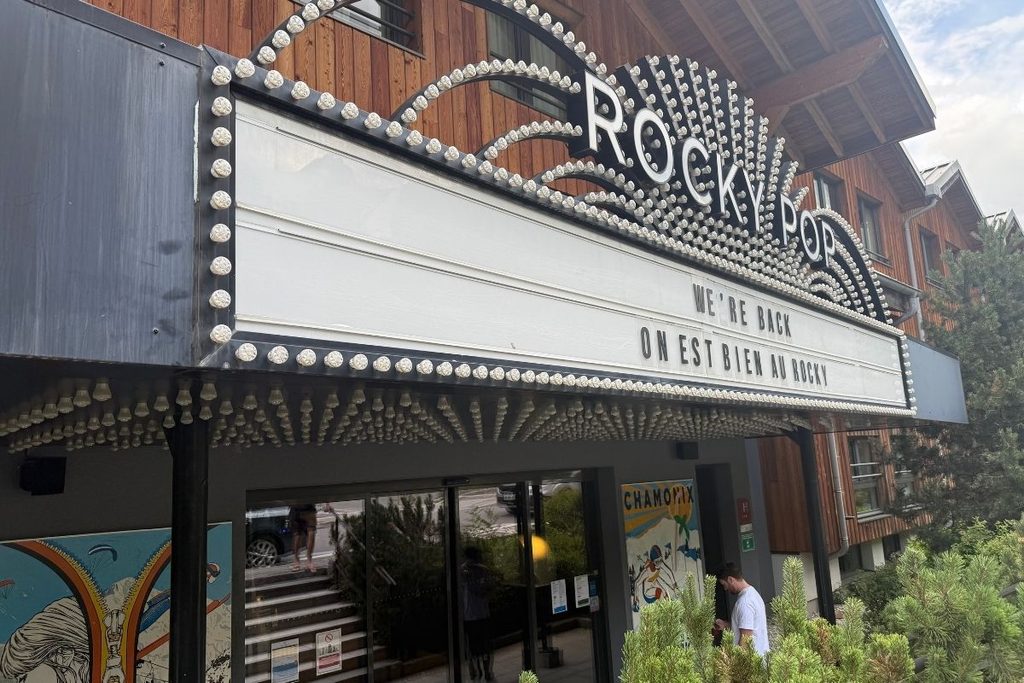
My second night was spent at RockyPop Chamonix – Les Houches, a completely different proposition to Hôtel Le Saint Gervais.
Filled with playful pop-culture references, bold colours and quirky details, RockyPop throws out the rulebook of the traditional Alpine hotel. There’s a brasserie and cocktail bar, games areas, live entertainment and two terraces overlooking the stunning mountain ranges.
My room was bright, fun and surprisingly clever, with ingenious use of space that made it feel bigger than it actually was. The hotel’s rooms range from compact doubles to mezzanine rooms sleeping up to four, with the latter using the space above and below to create separate sleeping and lounge areas. This is the opposite of a formal Alpine retreat. It feels more like a fun base camp, and I can see it being particularly appealing to families, groups of friends and younger travellers who want somewhere with plenty going on when they’re not out exploring.
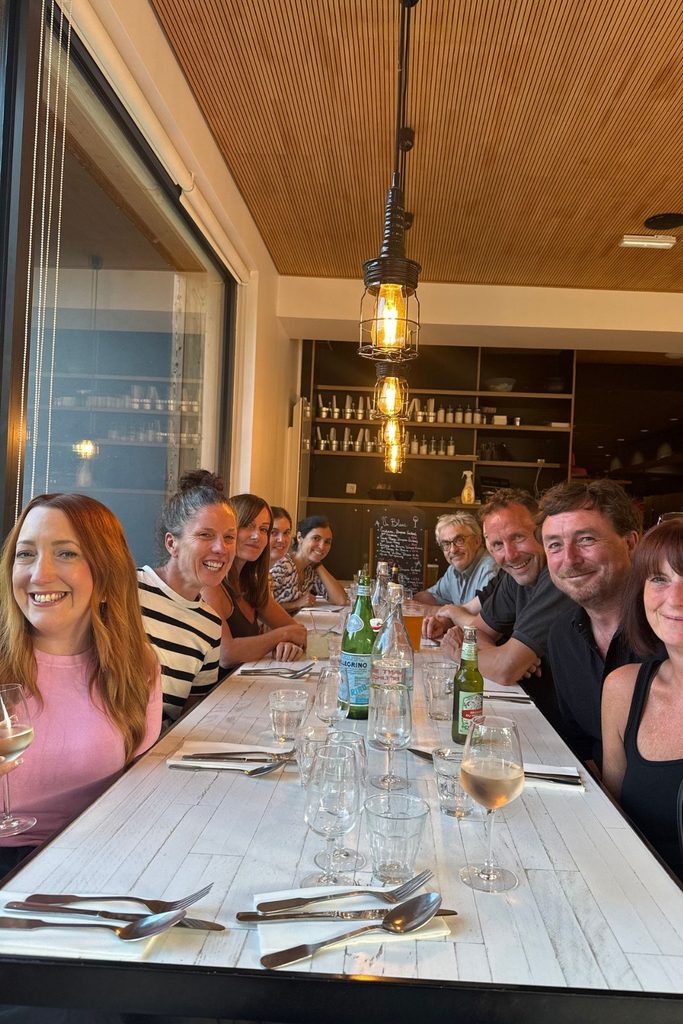
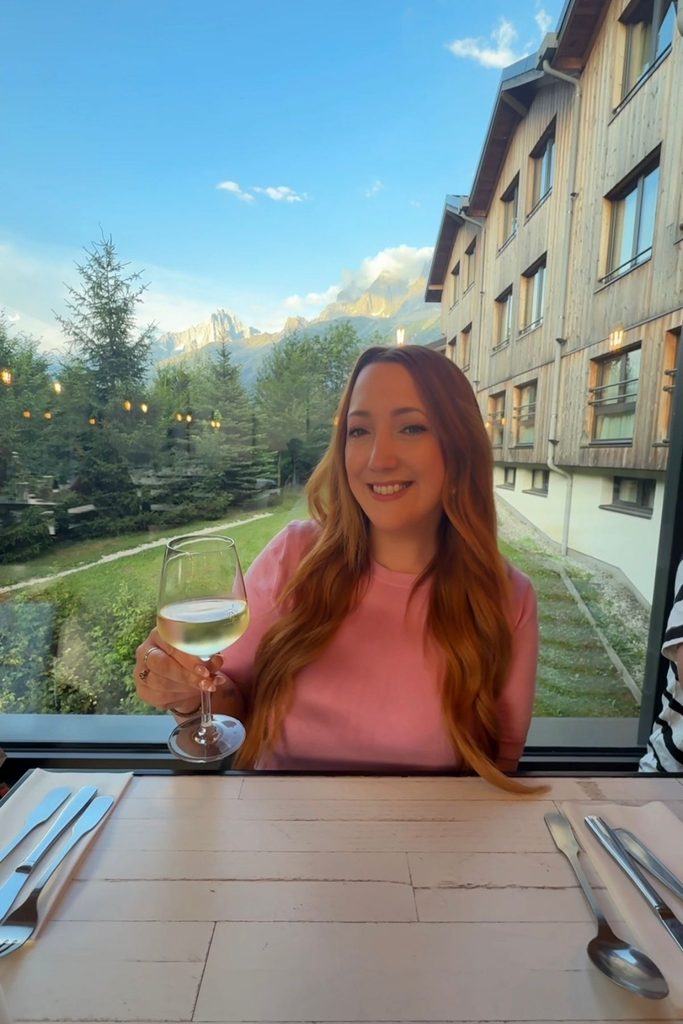
The location is excellent; it sits in Les Houches, just outside Chamonix, with the Le Pont bus stop directly opposite the hotel and regular buses into Chamonix centre, making it easy to leave the car behind. Rooms currently start from around €126 per night for two, although prices vary considerably depending on dates and room type.
Wellness, the Alpine way
Haute-Savoie has another ace up its sleeve: wellness. After the cycling and mountain adventures, I spent time at the Thermes de Saint-Gervais, a thermal spa set within a ten-hectare wooded park at the foot of Mont Blanc.
The story behind the water is extraordinary. It begins as rain and snow falling on the Alps, before filtering deep through the mountain over around 6,500 years and emerging naturally at the source at around 39°C, enriched with minerals and trace elements along the way.
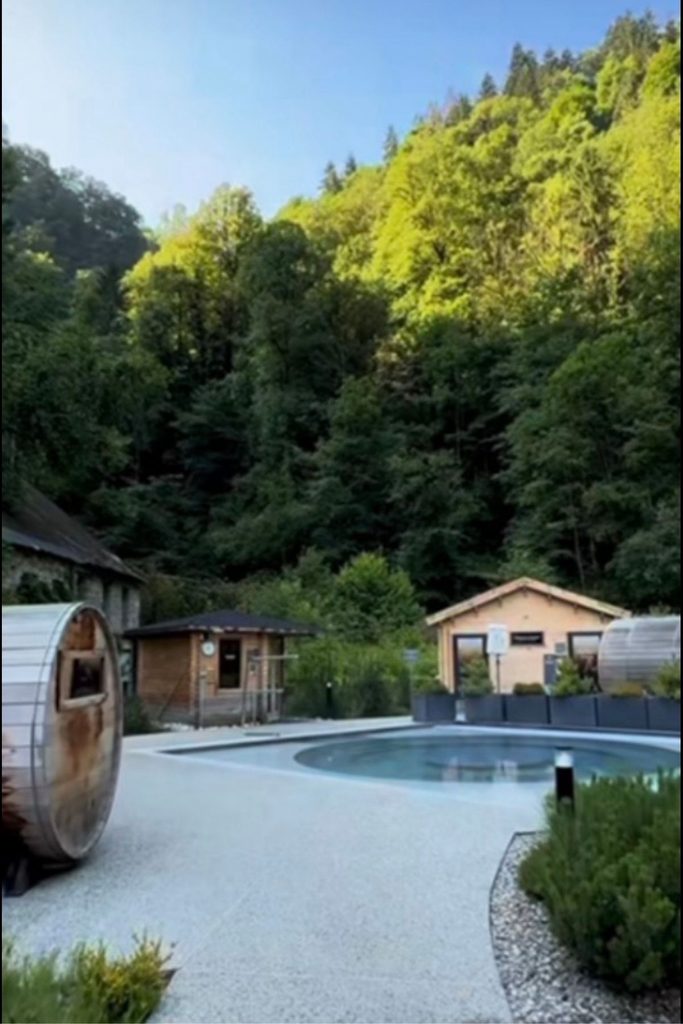
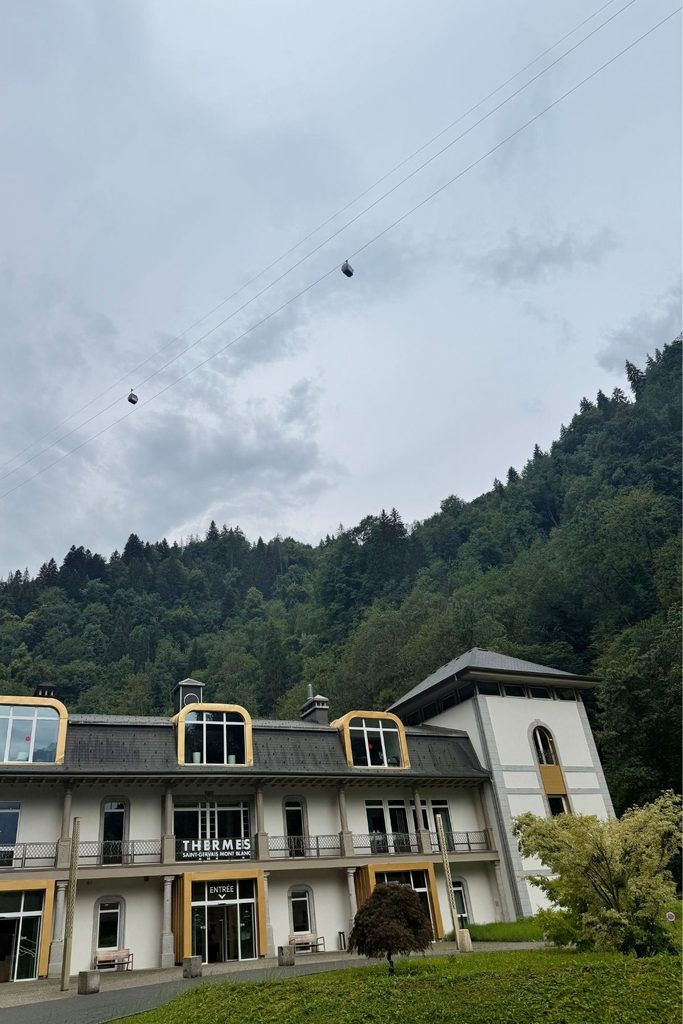
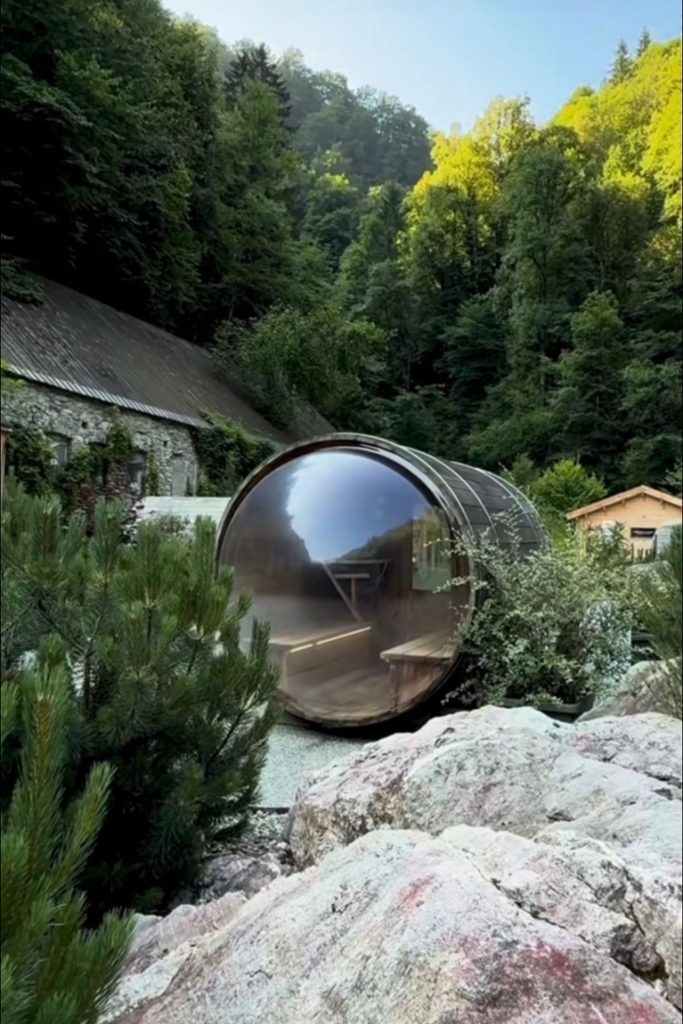
The modern Bains du Mont Blanc is a three-hour thermal spa experience, with indoor and outdoor thermal pools, saunas, steam rooms, a salt grotto, halotherapy cave, Alpine garden, mountain-refuge-inspired sauna and a series of water jets, cascades and Kneipp experiences.
After a morning on an e-bike or a day walking at altitude, swapping hiking boots for a swimsuit seemed like an idyllic proposition that I was very ready to embrace! And this is what I love about Haute-Savoie: you don’t have to choose between an active holiday and a relaxing one. You can spend the morning in the mountains and the afternoon soaking in water that has been travelling through them for millennia.
A three-hour Bains du Mont Blanc spa session is currently priced from around €49 per adult, with treatments available separately.
Samoëns: a village carved in stone
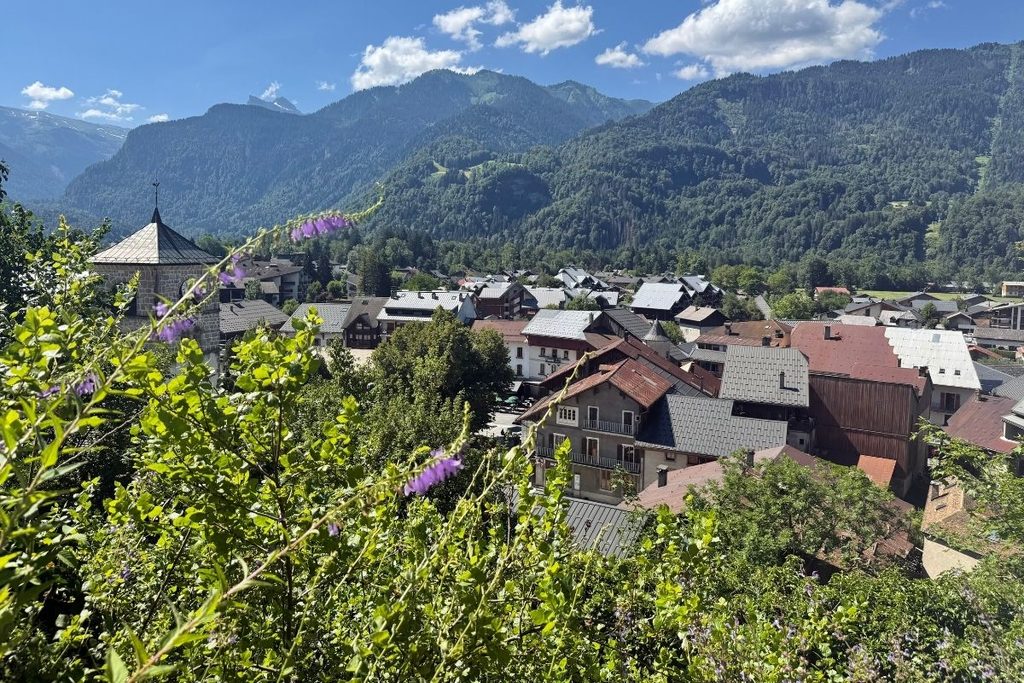
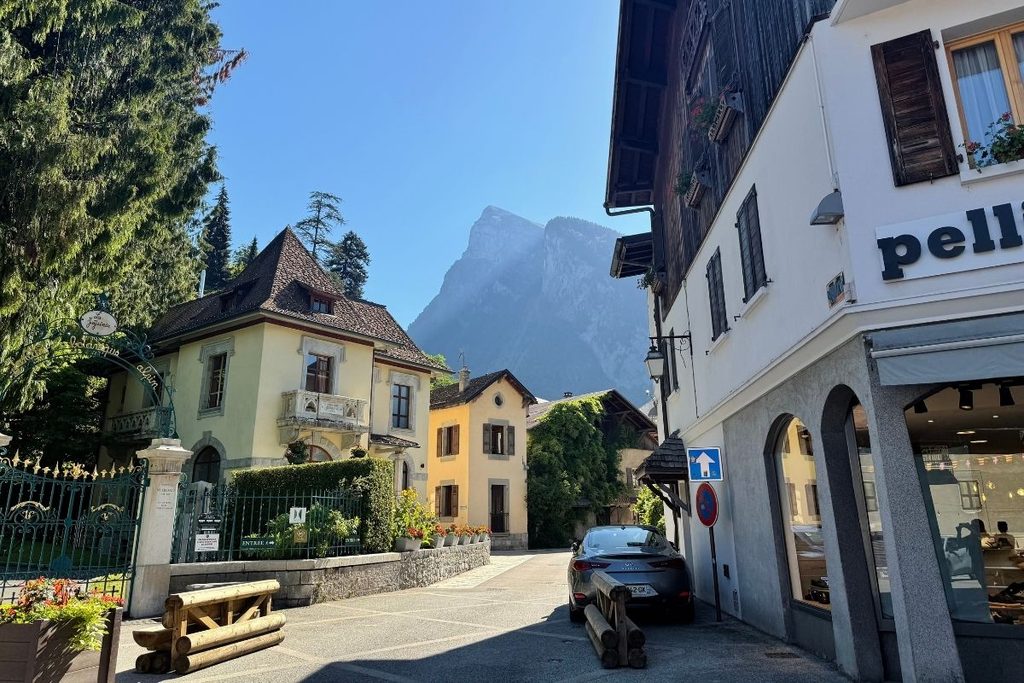
From the drama of Mont Blanc and the energy of Chamonix, our journey then took us into the Haut-Giffre valley and the village of Samoëns, where the pace slows and a different side of Haute-Savoie comes into focus. This is somewhere to come not just for the mountains, but for its heritage, architecture, craftsmanship and village life. Samoëns has retained much of its historic character, and its story is literally carved into the stone.
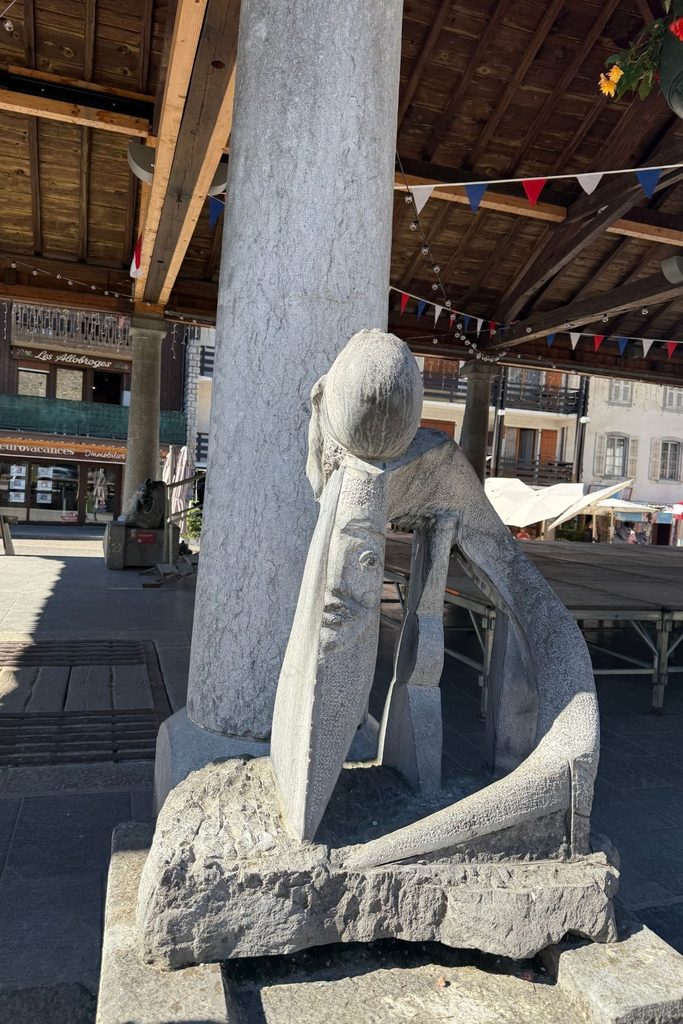
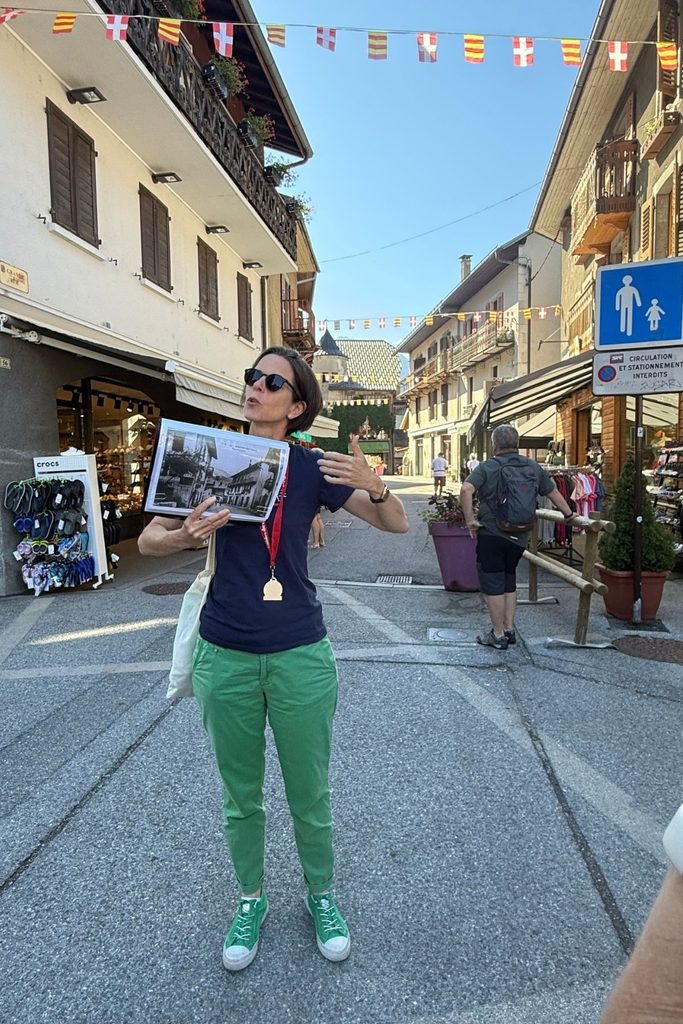
I would recommend taking a guided heritage tour of Samoëns rather than simply wandering its pretty streets. The guides bring the story behind the stone to life, revealing the craftsmanship and characters that shaped the village. Tours cost €8 for adults and €6 for children aged 12–16, with under-12s free.
Our guide explained how Samoëns takes its name from the seven mountains that surround the village, while its inhabitants are known as the Septimontains, or “people of the seven mountains”. The distinctive outline of those mountains features on the village’s coat of arms and has become an enduring symbol of Samoëns and its relationship with the landscape.
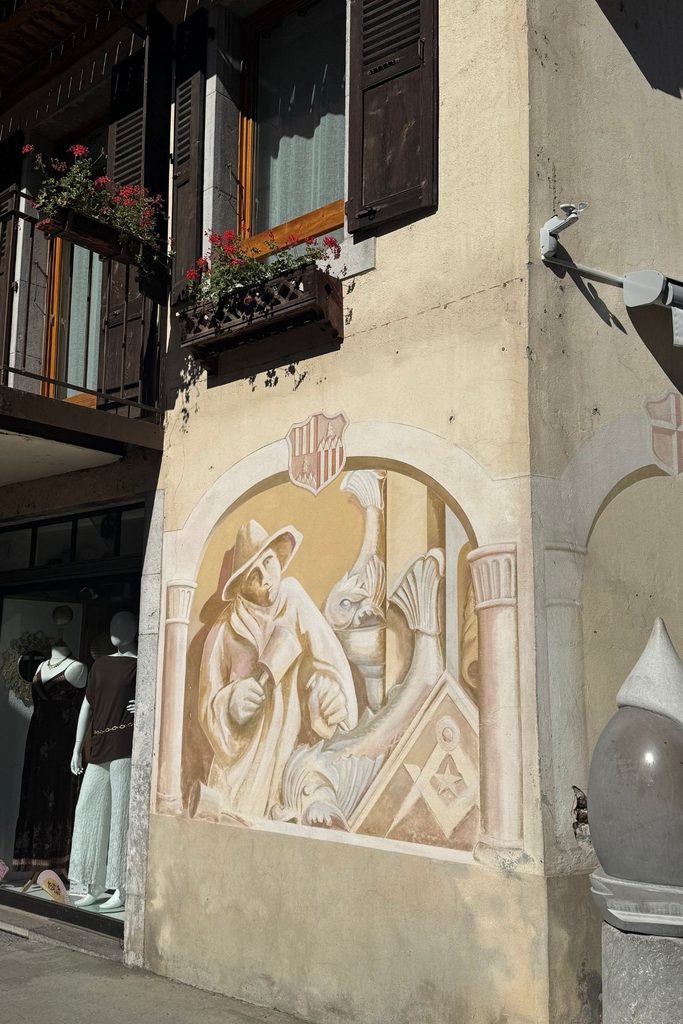
She also explained how, for centuries, the village was home to highly skilled master stonemasons, known locally as the Frahans, whose work took them far beyond the valley. They were commissioned by Vauban to work on his fortifications and by Napoleon on the canals at Saint-Quentin, with Samoëns craftsmen travelling as far as Poland and Louisiana. Their legacy remains visible throughout the village today.
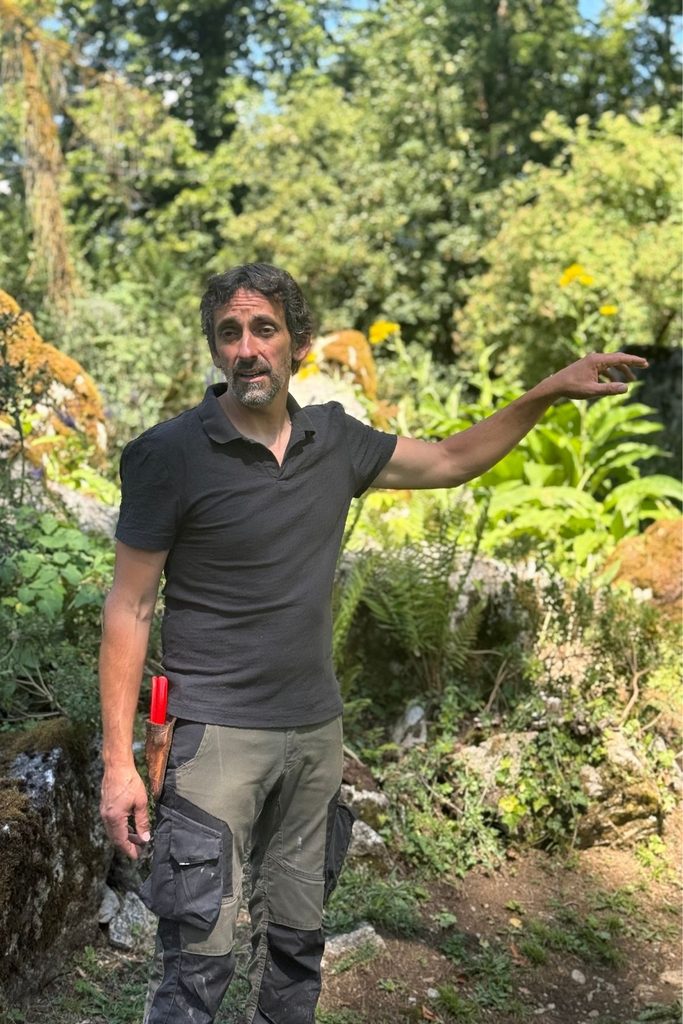
Then there is the Jaÿsinia Alpine Botanical Garden, carved into the hillside at the heart of the village. The garden is home to an extraordinary collection of Alpine and mountain plants, And I was lucky enough to visit with Philippe, the botanical gardener and head of the garden, which gave the experience an added sense of connection to the place. A guided tour costs €8 for adults and €6 for children, with under-12s free.
Where to stay: Hôtel Neige et Roc, Samoëns
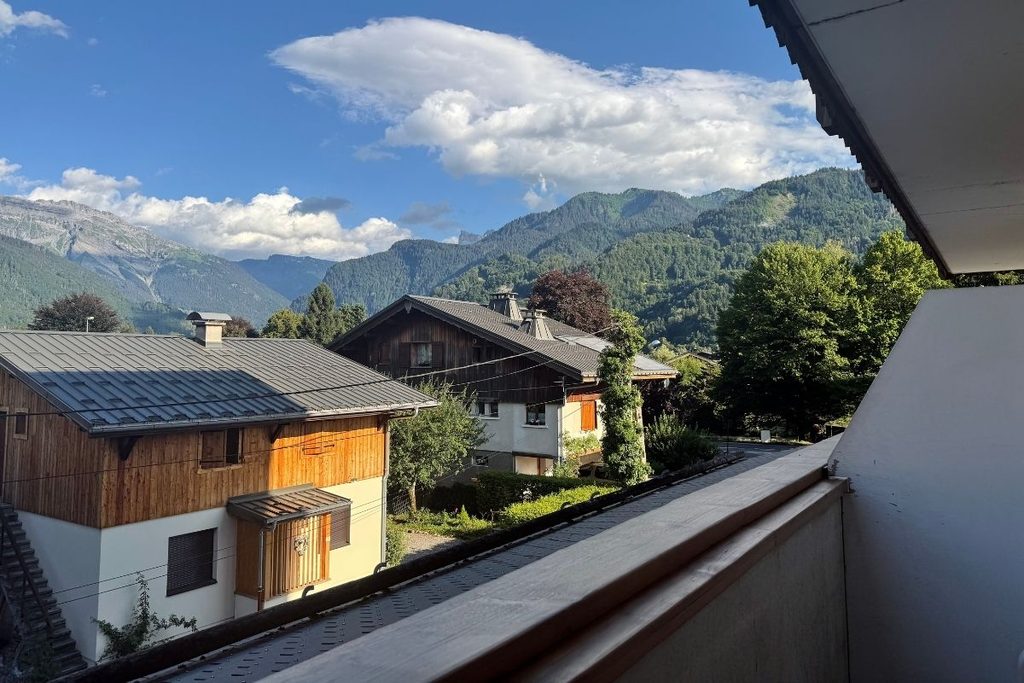
Our final hotel was Hôtel Neige et Roc, a four-star chalet hotel in Samoëns, and perhaps the one that felt most quintessentially Alpine. My personal favourite of the three, it combines the charm of a traditional mountain retreat with contemporary comforts, natural wood and stone, warm fabrics and an unmistakable sense of place woven throughout.
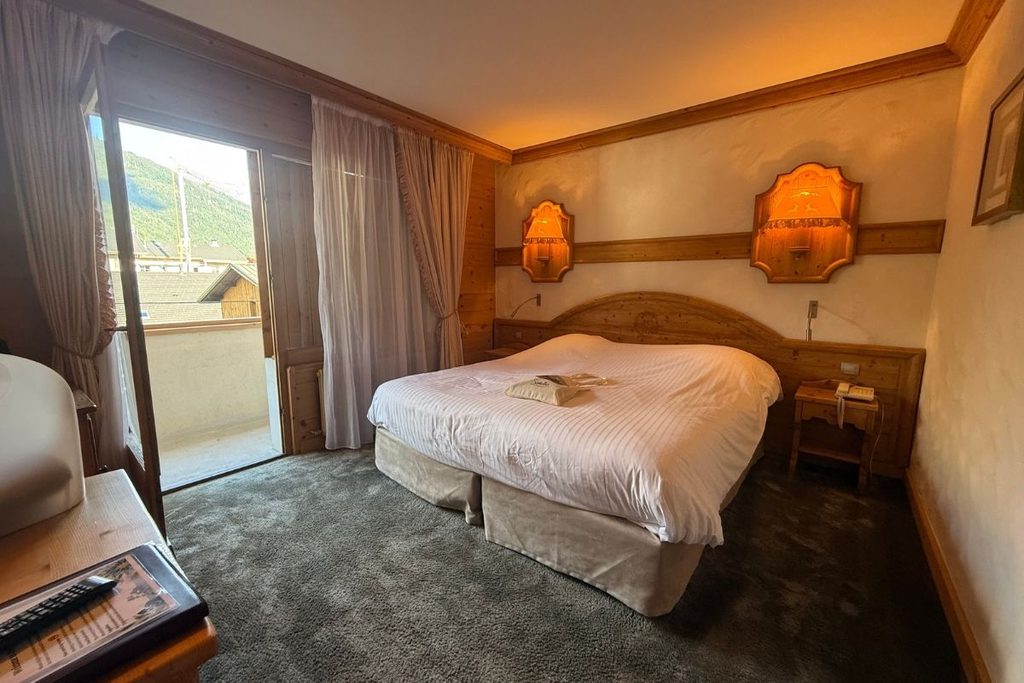
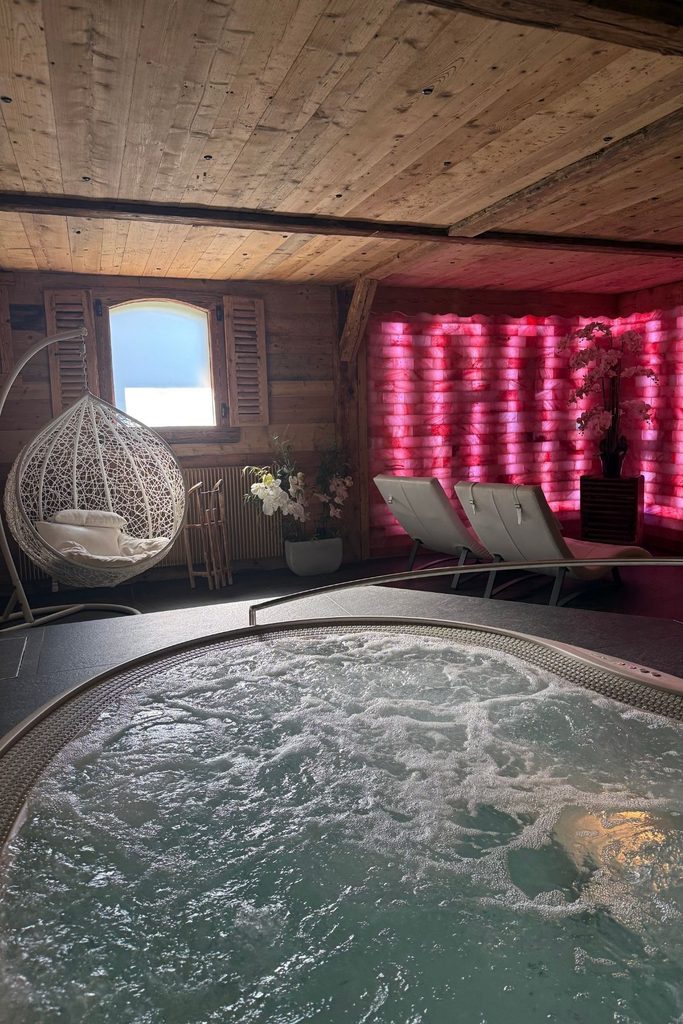
I stayed in a bright, cosy room with a balcony and the most incredible view of the mountains from my window. There is something very special about opening the curtains in the morning and having the Alps as your first view of the day. The rooms are designed to feel cocooning and restful, with Alpine-inspired interiors, comfortable beds and natural materials. The hotel has 48 rooms across two buildings, alongside heated indoor and outdoor pools, spa facilities, a gym, tennis court, a games room and a one-hectare garden.
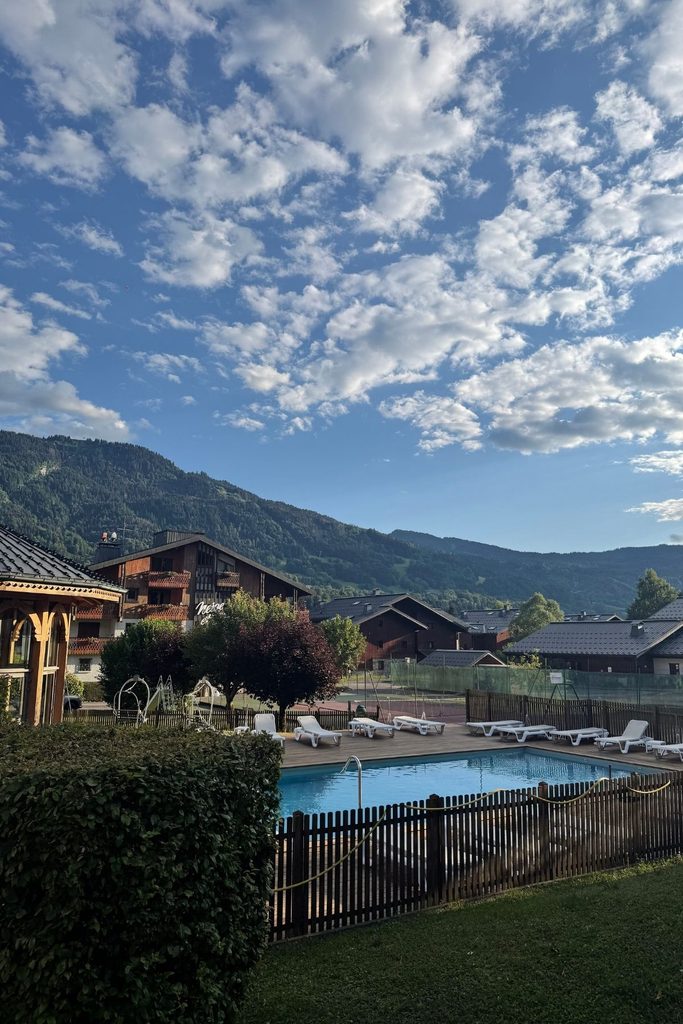
It is also particularly well set up for an active Alpine escape, with bike storage and facilities for cyclists, while the surrounding area offers hundreds of kilometres of marked hiking trails in summer.
For summer 2026, double rooms are priced from €135 to €225 per night, with breakfast available for €19 per person.
An Alpine evening to remember
There was one final experience at Neige et Roc: dinner high in the mountains at an alpine chalet, surrounded by the peaks we had spent the trip exploring. This was one of my favourite experiences of the trip.
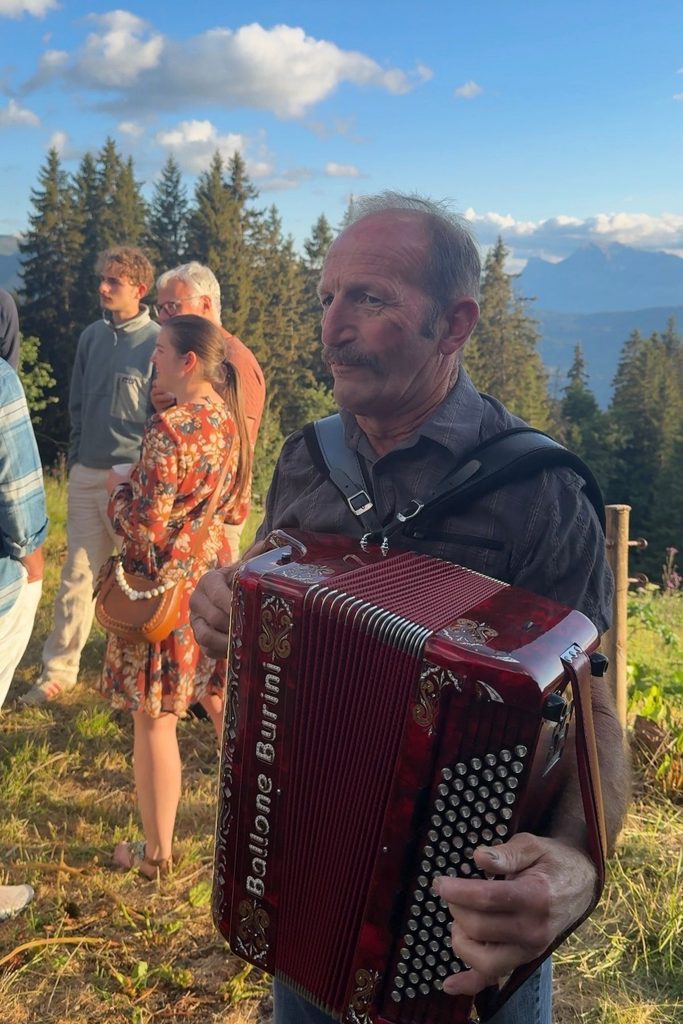
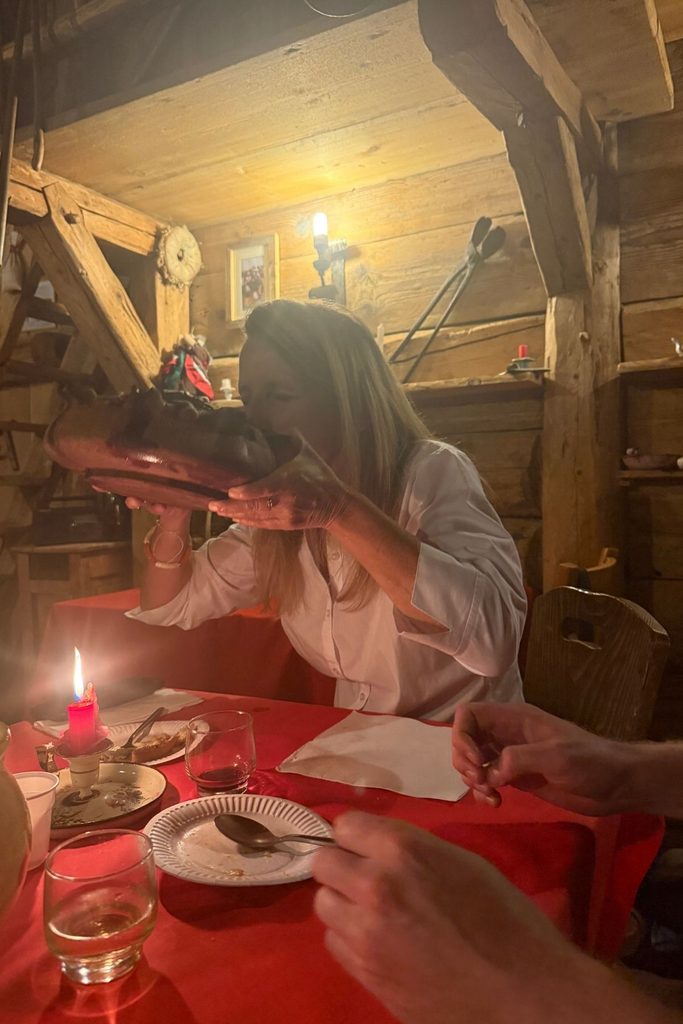
After being chauffeured up the winding mountains, we gathered outside the chalet with glasses of local wine, looking out across the mountains as the evening light settled over the landscape. The soundtrack was as Alpine as it gets: with cow bells drifting up from the pastures whilst we listened to a local musician playing the accordion.
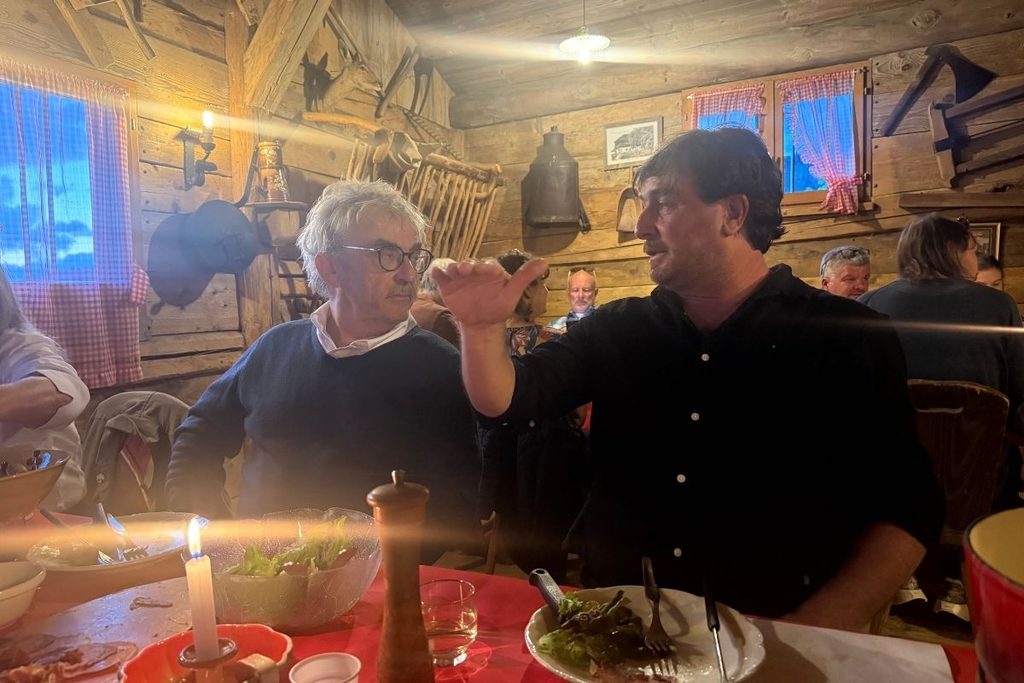
Dinner was served on long communal tables, laid with generous sharing dishes including breads, raclette and creating a wonderfully convivial atmosphere. After several days of exploring Haute-Savoie, it was a wonderful and memorable way to end the trip.
Neige et Roc often offers a weekly summer barbecue in an alpine chalet, so do ask the hotel about the availability of this experience about when planning your stay.
Why Haute-Savoie belongs on your summer list
Haute-Savoie in summer is a revelation.
It is easy to associate the French Alps almost exclusively with snow, skis and winter sports, but when the snow melts, an entirely different landscape emerges. The mountains turn green, alpine meadows fill with wildflowers, waterfalls swell and the villages spill outdoors. The same peaks that draw skiers in winter become a playground for hikers, cyclists, e-bikers, paragliders and water sports enthusiasts, while vineyards, markets, restaurants and terraces come into their own.
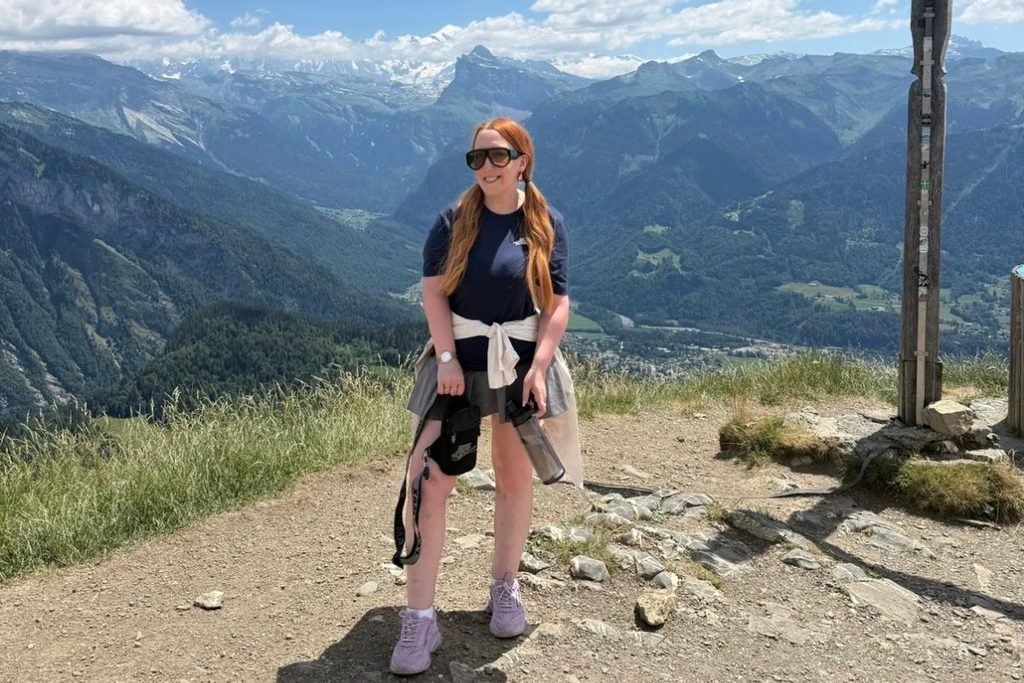
What I particularly loved was the sheer variety. You can start the day cycling through vineyards, spend the afternoon high in the mountains, then finish it soaking in ancient thermal waters. You can take a historic railway towards a glacier, wander through a village shaped by generations of stonemasons or sit outside with a glass of local wine while cow bells sound in the distance.
Haute-Savoie is a compelling summer destination. It isn’t just somewhere to come for one big-ticket mountain experience. It is a place where adventure, culture, food and wellness can all sit comfortably within the same itinerary.
You can come for Mont Blanc, but you don’t need to climb it; instead you can simply experience everything that surrounds it.
HAUTE-SAVOIE: KNOW BEFORE YOU GO
WHERE TO STAY
Hôtel Le Saint Gervais, Saint-Gervais-les-Bains
Four-star hotel. Classic Double rooms from around €125 per night.
Website: https://en.lesaintgervais.com/
RockyPop Chamonix – Les Houches
Playful Alpine hotel with rooms from around €126 per night.
Website: https://www.rockypop.com/en/chamonix/
Hôtel Neige et Roc, Samoëns
Four-star chalet hotel. Double rooms from around €135 per night; breakfast €19pp.
Website: https://www.neigeetroc.com/en/
THINGS TO DO
Tramway du Mont-Blanc
Adult return ticket to the new Nid d’Aigle terminus: €40.
Website: https://www.tramwaydumontblanc.fr/en/prices-schedules/
Mont Blanc Museum, Chamonix
Adults €12; under-18s free.
Website: https://en.chamonix.com/en-cas-de-mauvais-temps/mont-blanc-museum
Thermes de Saint-Gervais
Three-hour Bains du Mont Blanc experience from around €49 per adult.
Website: https://thermes-saint-gervais.com/en/
Samoëns Heritage Tour
Adults €8; children aged 12–16 €6; under-12s free.
Website: https://www.samoens.com/en/a-tour-of-historic-samoens-in-english/
Jaÿsinia Alpine Botanical Garden
Guided tour €8 adults; €6 children; under-12s free.
Ayze Vineyard Experience
Échappée Gourmande à Vélo from around €25 per adult; bike hire extra.
Website: https://hautesavoiemontblanc-tourisme.com/offres/echappee-gourmande-a-velo-bonneville-fr-5834146/
E-biking in Samoëns
E-bike hire from around €15 per hour, €39 half-day or €52 full day. Guided experiences from around €59 for 1.5 hours.
Website: https://www.samoens.com/en/rental-mtb-electric-bike-e-bike-xtreme-glisses/
Prices checked August 2026 and subject to change.
Review and images by Victoria Reddington @vic_reddington