Race day attracts attention in all the wrong places. Cameras chase the winner. Headlines glorify the athlete who crosses the finish line first. Fine. Sport needs theatre. Yet the real shape of a race, which makes it smooth, fair, and safe, comes from people who never touch a podium. A race succeeds because unseen hands prevent panic, maintain order, and keep human beings moving in the right direction.
Strip away the glamour of a race day, and a blunt truth appears. Victory matters to a few. Competence matters to everyone.
Volunteers at Dawn
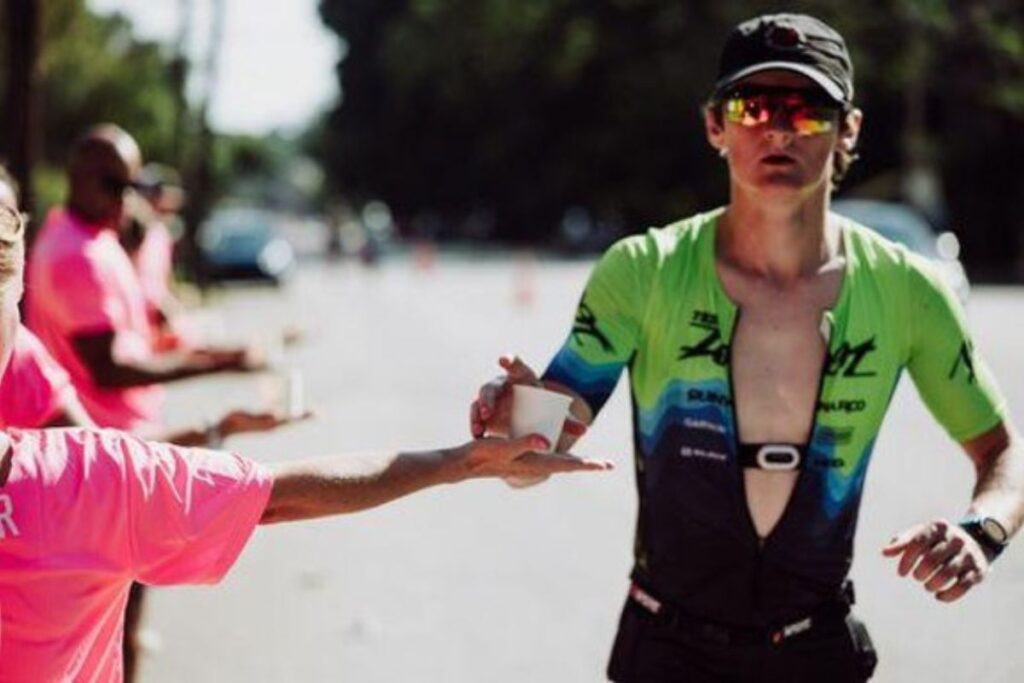
Volunteers make the day possible before most runners have even found a safety pin. In mass participation events, scale turns tiny jobs into decisive ones. One missed sign sends hundreds the wrong way. One empty drinks table creates a queue, then frustration, then risk. Marshals in fluorescent jackets stand in the wind and drizzle, answer the same question 20 times, and still keep traffic and tempers under control. There is nothing glamorous here. Good. Glamour rarely keeps a race alive. These people do.
Medics Who Read Trouble
A skilled medical team changes the emotional weather of a race. Presence alone calms people. Sharp eyes matter more. The best medics spot danger before it becomes drama. They notice the runner whose stride has gone slack, the face drained of colour, the speech that no longer quite lands. Sport loves courage. Bodies care nothing for romance. Quick judgement makes a difference. Calm authority saves it again. Every serious event lives on trust, and that trust starts here.
The Quiet Logisticians
Logistics sounds dull, which proves how easily language hides genius. A race director with a weak plan creates misery at scale. Toilets run short. Baggage vans arrive late. Water fails to appear where thirst peaks. The finest organisers think like chess players and stage managers at once. They map movement, pressure points, weather risks and human impatience. Then they build backups. This is not romance. It is engineering mixed with psychology, and it decides whether the whole event works.
The Crowd with a Job
Spectators can turn a race from a physical task into a shared civic event. Noise matters. Placement matters more. The best crowd gathers at the lonely patches, the ugly inclines and the final bend where legs turn wooden. A stranger shouting a name from a bib can lift posture and spirit in a second. Friends and family also perform uncelebrated labour after the finish. They carry bags, find food, listen to race reports, and stop weary athletes from drifting about in a daze.
Conclusion
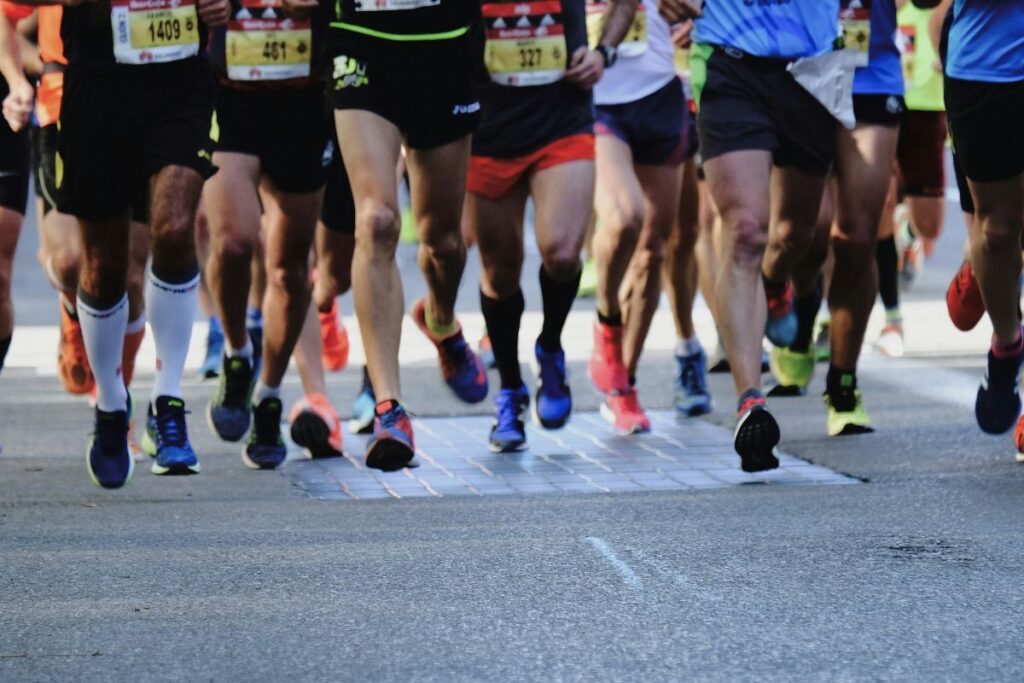
Race day reveals a stubborn fact. Grand outcomes depend on people who rarely receive grand praise. The winner may embody the event for a photograph, yet the event itself rests on steadier figures. Volunteers hold the edges together. Medics guard against disaster. Organisers turn ambition into order. Spectators lend energy when private resolve begins to crumble. Sport prefers singular greatness to collective competence. That preference distorts reality. A race becomes memorable not merely when someone runs fast, but when care, foresight and decency appear at the right moment.
Images courtesy of unsplash.com and pexels.com