Austria has long been one of Europe’s premier ski destinations, offering far more than just reliable snow conditions. Some resorts are defined by luxury hotels, fine dining, and impeccably groomed pistes, while others attract skiers looking for deep powder, challenging terrain, and energetic après-ski scenes.
Although the mountain scenery is spectacular throughout the country, each resort has its own distinct character. Choosing where to stay often comes down to the experience you want beyond the slopes, whether that means exclusive alpine retreats, historic village charm, or lively evenings after a day on the mountain. From the elegant streets of Lech to the glacier-backed runs of Sölden, these are some of the best places to ski in Austria.
Lech am Arlberg: Exclusive Slopes and Luxury Stays
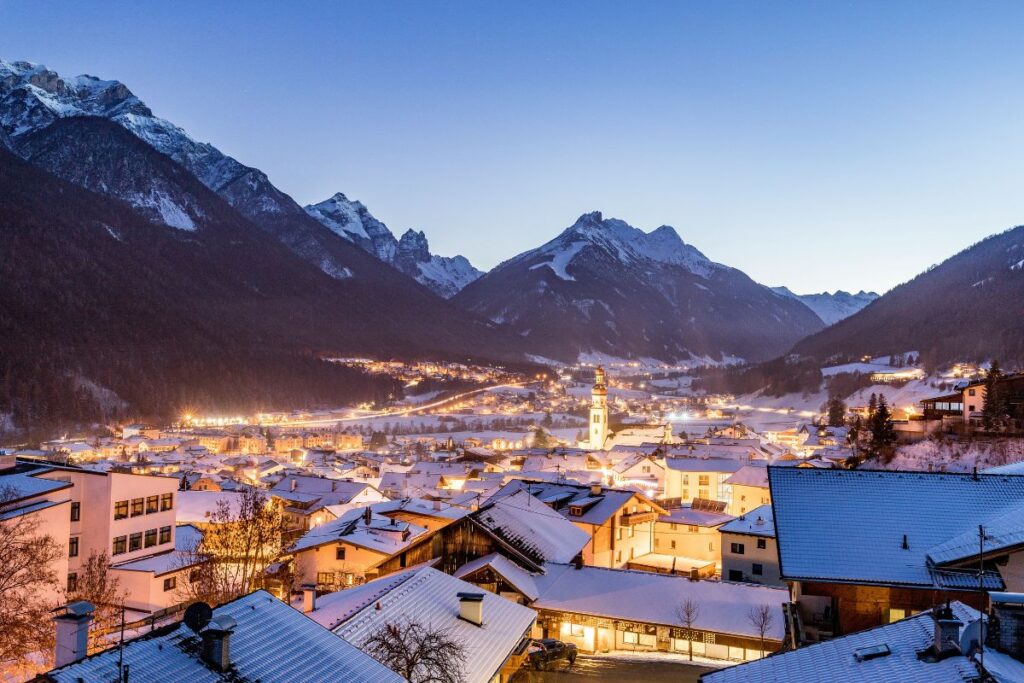
Lech has long been associated with a more refined side of Alpine skiing. The village centre around Dorfstrasse is elegant without feeling overly formal, with boutique shops, traditional hotels, and cafés lining the streets. Many visitors enjoy spending time exploring the village as much as skiing its slopes. During winter, Rüfiplatz regularly hosts seasonal events, while the distinctive Church of St. Nicholas remains one of Lech’s most recognisable landmarks, adding to the resort’s classic Alpine character.
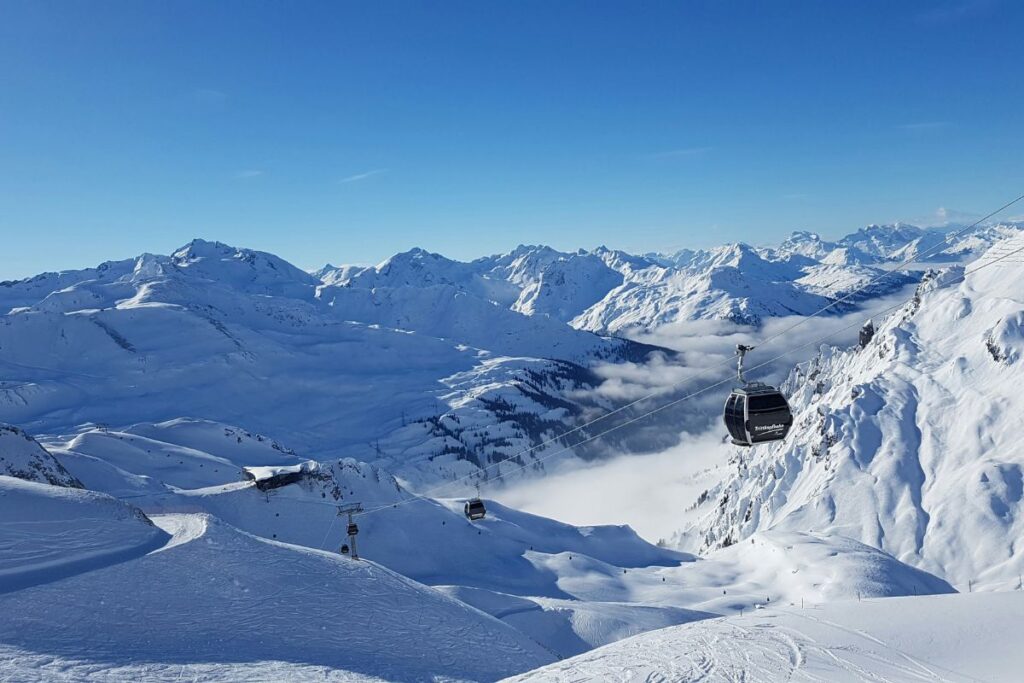
The skiing itself is extensive. Lech forms part of Ski Arlberg, the largest interconnected ski area in Austria, with access to Zürs, Stuben, St. Anton and beyond. Wide cruising runs dominate much of the local terrain, particularly around the Rüfikopf and Kriegerhorn sectors, making it popular with intermediate skiers who enjoy covering long distances during the day.
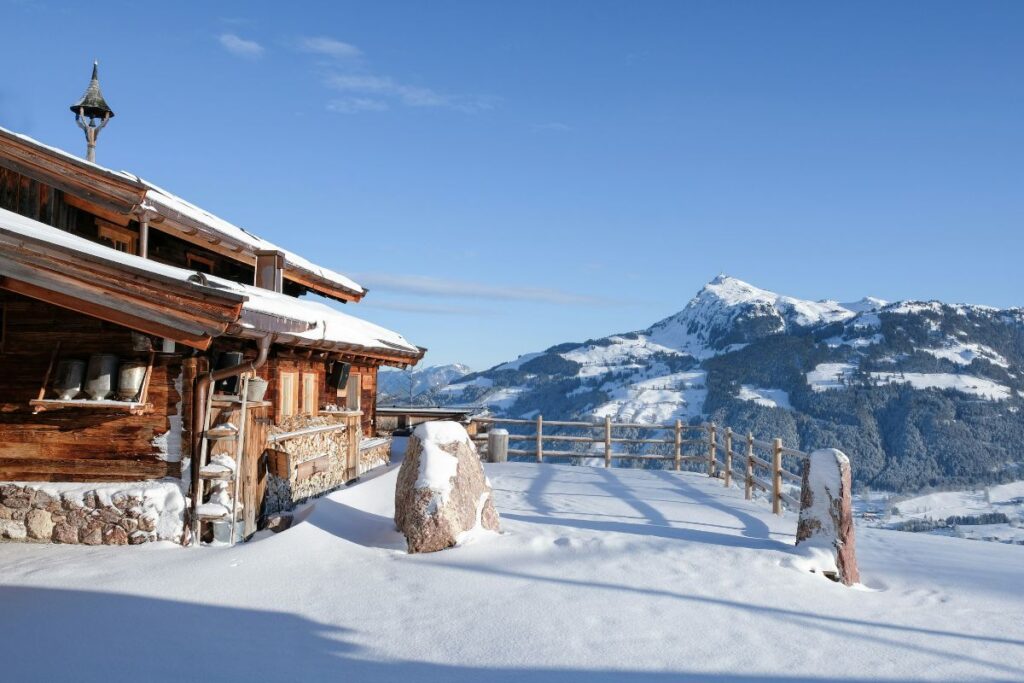
Accommodation plays a major role in Lech’s reputation as one of Austria’s most exclusive ski destinations. Those looking for a private Alpine retreat can discover Chalet 1551, a luxury chalet located close to the village centre. With spacious living areas, elegant interiors, wellness facilities, and views across the surrounding mountains, it provides a comfortable base for exploring the extensive Ski Arlberg area.
St. Anton am Arlberg: Deep Powder and High-Energy Après-Ski
Located a short distance from Lech, St. Anton offers a noticeably different atmosphere. The area around Bahnhofstrasse remains lively throughout the winter, with skiers arriving daily via one of the most accessible railway stations in the Alps. Although the village centre is relatively compact, the streets stay busy from early morning onwards, as visitors move between the lifts, cafés, restaurants, and après-ski venues that have helped make St. Anton one of Austria’s most sought-after ski resorts.
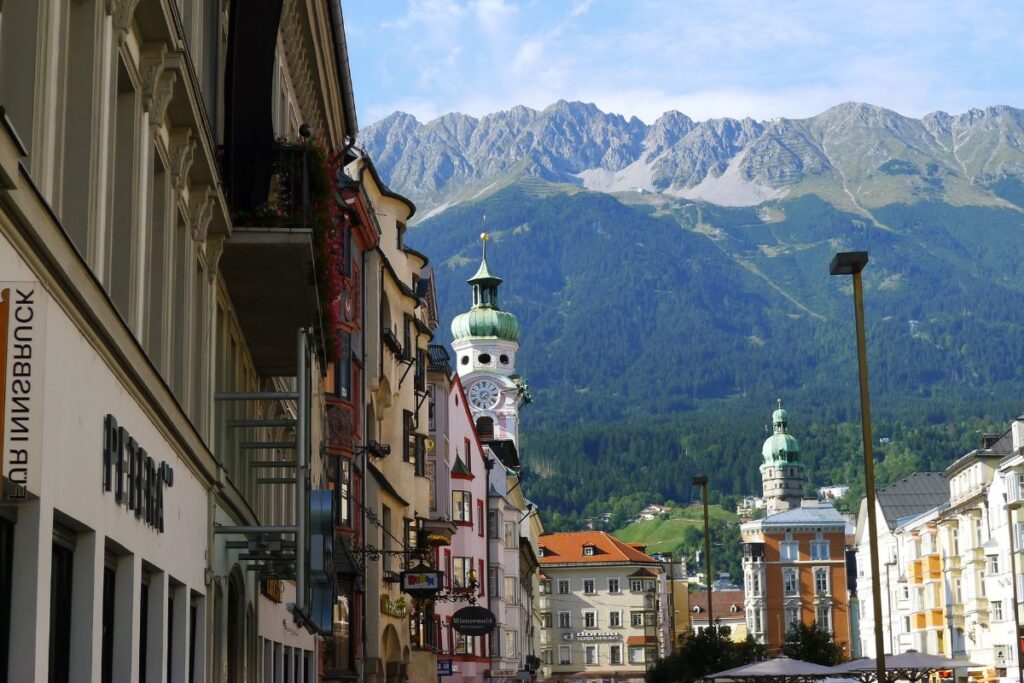
The mountain has earned a strong reputation among advanced skiers. Valluga, rising to 2,809 metres, overlooks some of Austria’s most famous off-piste terrain. Powder enthusiasts regularly head towards Schindler Kar and the routes descending into Stuben after fresh snowfall. Even experienced skiers often hire local mountain guides to access some of the area’s more demanding sections.
Away from the slopes, St. Anton maintains a lively atmosphere throughout the season. Seasonal markets occasionally appear near the pedestrianised centre, while winter events frequently take place around the Arlberg WellCom complex. The village rarely feels quiet during peak months.
Kitzbühel: Historic Charm and Legendary Downhill Racing
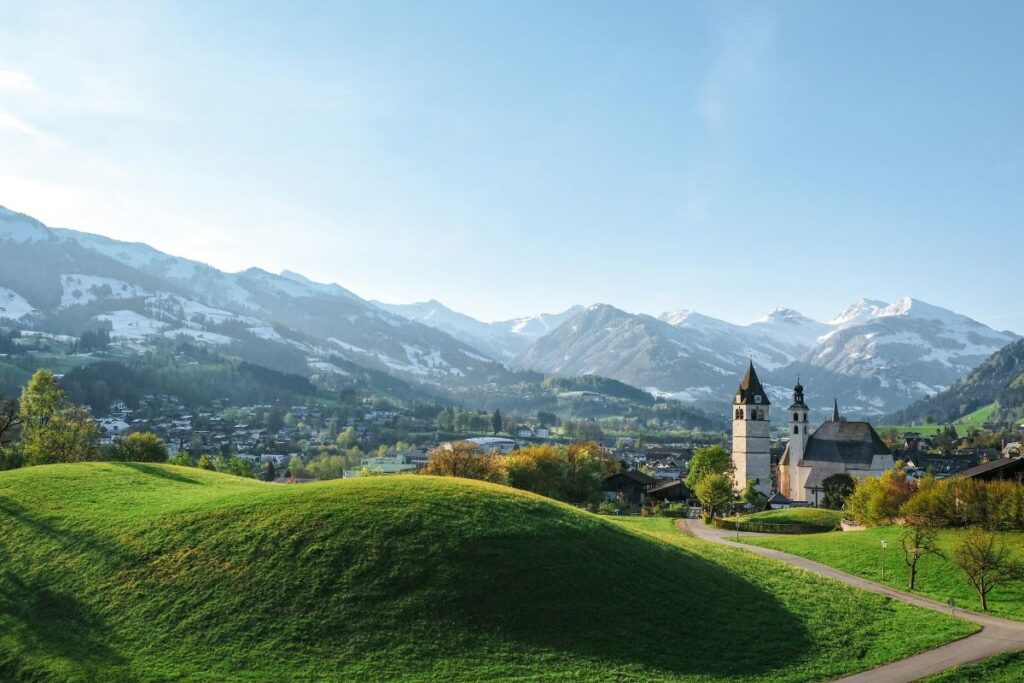
Kitzbühel has one of the most attractive town centres in the Alps. Medieval buildings line Vorderstadt, where colourful painted facades, cobbled streets, and narrow passageways create a setting that feels very different from purpose-built ski resorts. The Church of Our Lady and St. Andreas Parish Church are among the town’s most recognisable landmarks, their towers visible from various points around the valley and serving as reminders of Kitzbühel’s long history long before it became a world-famous ski destination.
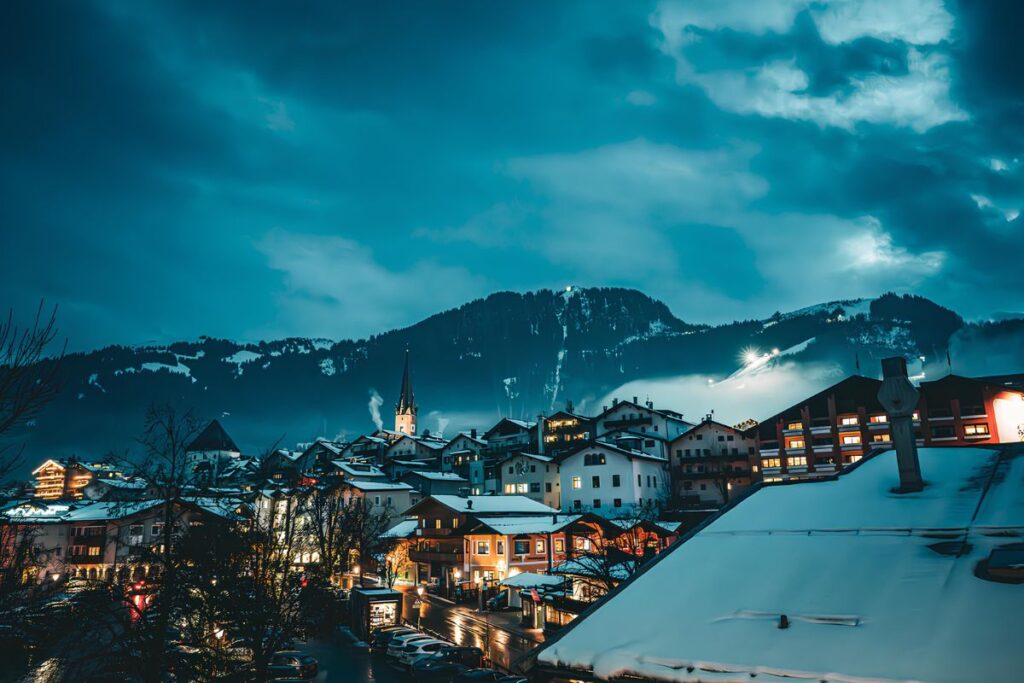
The Hahnenkamm race is an event most closely associated with Kitzbühel. Every January, the Streif attracts the world’s best downhill racers to one of the most demanding courses on the World Cup circuit. Even outside race week, visitors frequently ride the Hahnenkamm gondola simply to view sections of the course from above.
The wider ski area caters to a broad range of abilities. Long groomed pistes stretch across the KitzSki region, while beginners often gravitate towards gentler terrain closer to the town. The weekly market held in the centre during parts of the year adds another layer of local character beyond the ski season.
Sölden: Glacier Skiing and High-Altitude Peaks
Sölden sits deeper within the Ötztal Valley and has become one of Austria’s most reliable resorts for snow coverage. The village itself stretches along the valley floor, with shops, hotels, and ski facilities concentrated around Dorfstrasse. The surrounding peaks rise sharply above the settlement, creating one of the most dramatic mountain settings in the country.
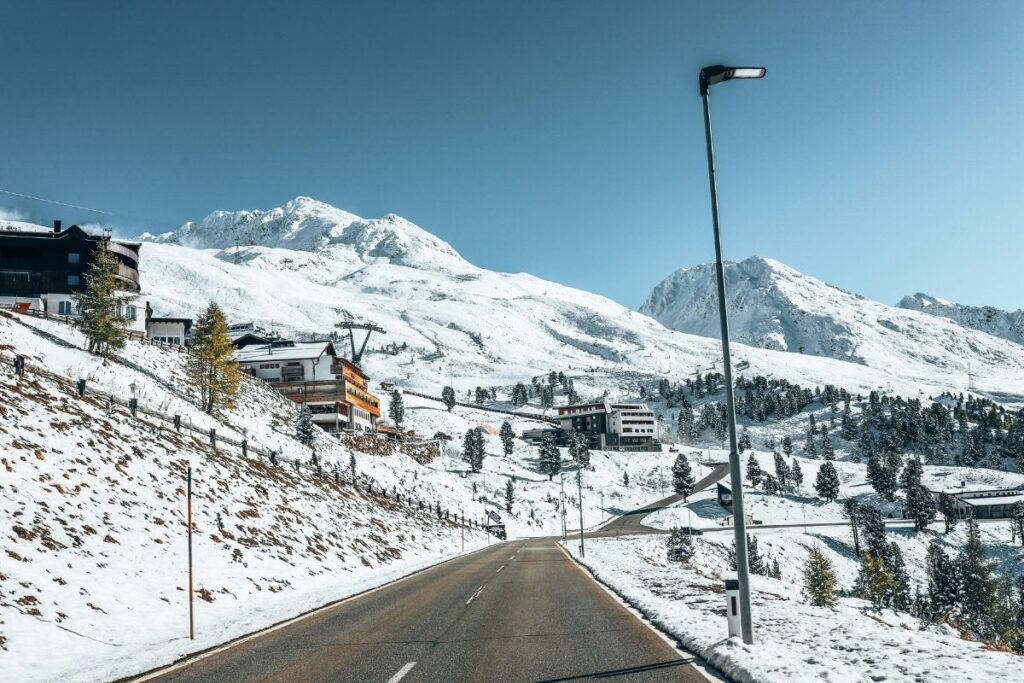
One of Sölden’s biggest advantages is its glacier skiing. Rettenbach Glacier and Tiefenbach Glacier help extend the season and provide dependable snow conditions at times when lower resorts may struggle. The resort also features the famous BIG3 viewing platforms, situated on three peaks above 3,000 metres. Reached by lift, they offer spectacular panoramas of the surrounding Ötztal Alps and some of the highest accessible viewpoints in the country.
Visitors familiar with the James Bond film Spectre often make time for the 007 Elements attraction near the Gaislachkogl summit station. Built directly into the mountainside, the exhibition focuses on the film’s production and showcases panoramic views of the Ötztal Alps.
Ischgl: Expansive Terrain and Vibrant Nightlife
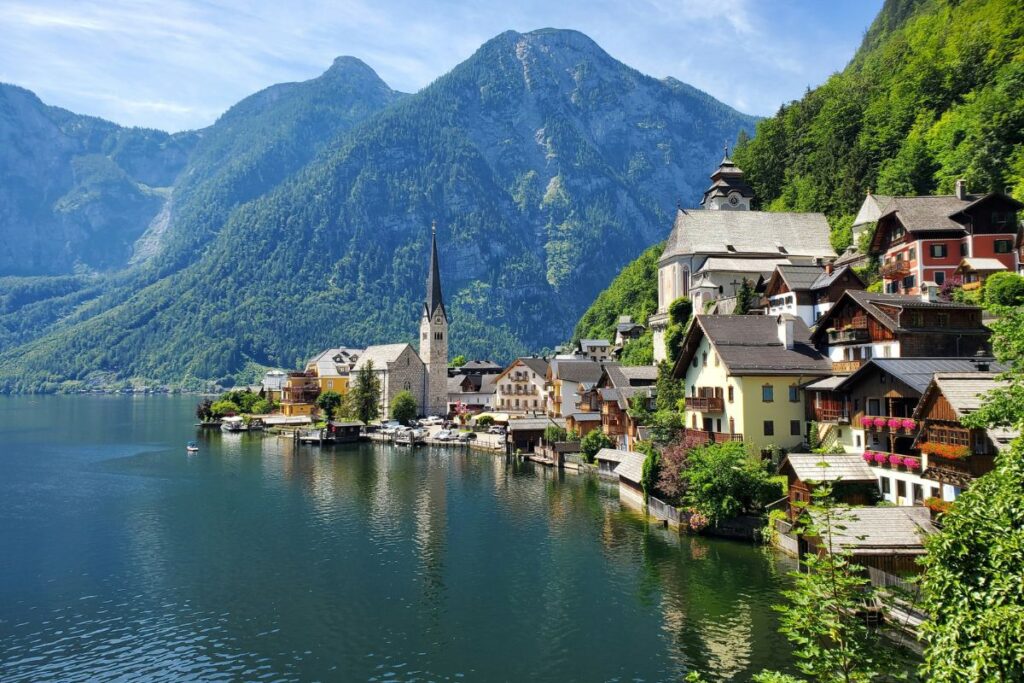
Ischgl occupies a narrow section of the Paznaun Valley close to the Swiss border. The village has developed significantly over recent decades, though parts of the original settlement remain visible near the parish church and older residential streets above the centre.
The skiing is enormous. Together with neighbouring Samnaun in Switzerland, Ischgl forms the Silvretta Arena, offering more than 200 kilometres of pistes. The Idalp plateau serves as the heart of the ski area, connecting multiple sectors across both countries. Long descents returning to the village remain particularly popular during good snow conditions.
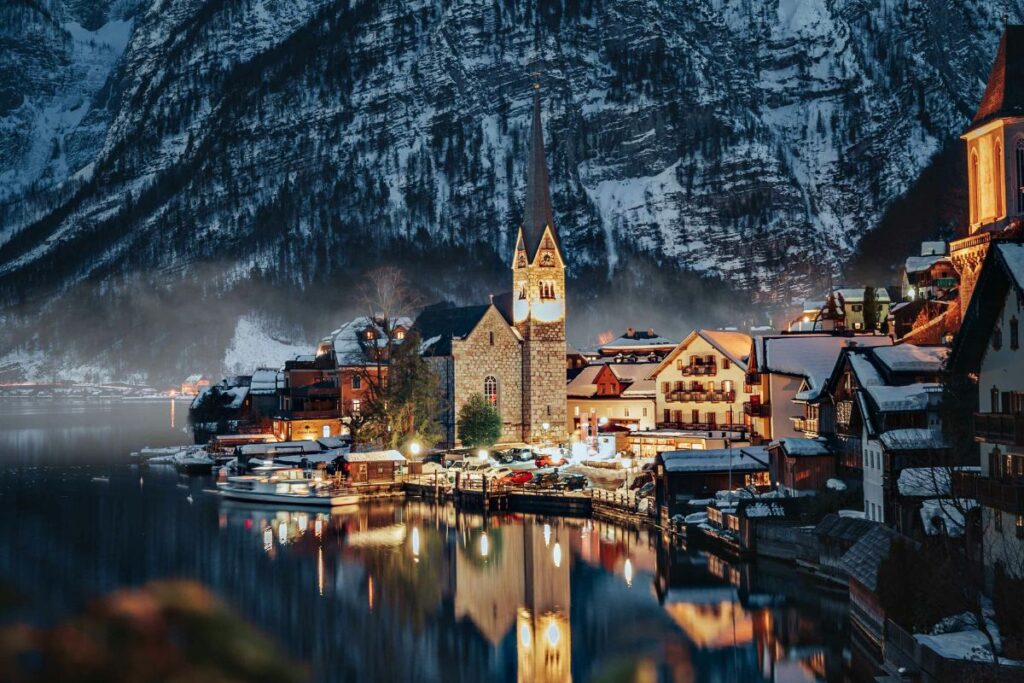
Ischgl has also become known for its event calendar. Seasonal concerts attract major international performers, while the village centre stays active throughout winter. Weekly markets occasionally appear during holiday periods, and the Silvretta Therme has added another attraction for visitors looking to spend a few hours away from the slopes.
Which Austrian slope will you carve first?
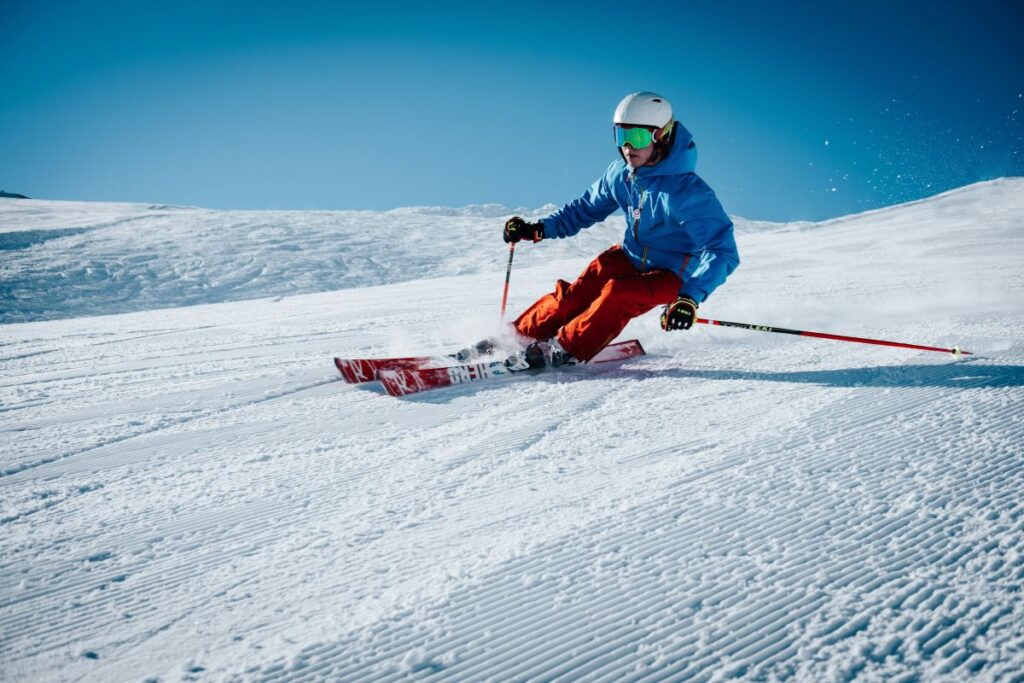
Austria continues to attract skiers from around the world thanks to the variety found across its resorts. Lech is known for its luxury accommodation, refined atmosphere, and impeccably maintained pistes. St. Anton attracts skiers in search of challenging terrain, deep powder, and lively après-ski. Kitzbühel stands out for its historic streets and world-famous racing heritage, while Sölden is renowned for its glacier terrain and reliable high-altitude skiing. Meanwhile, Ischgl combines extensive cross-border skiing with one of the Alps’ most vibrant social scenes.
While snow conditions are always important, the resort’s character often shapes the holiday just as much. Whether you are drawn to steep descents, elegant Alpine villages, rich history, or energetic nightlife, Austria offers a resort to match every style of ski trip.
Images courtesy of unsplash.com and pexels.com