Cash used to be king in hospitality. Now, most customers walk in without a note in their pocket.
That shift has forced pubs, restaurants, cafes and hospitality to take payment much more seriously, not just accepting cards, but thinking carefully about how, where, and when payments happen.
How Customers Expectations at the Table Have Changed
The experience of paying has become part of the overall experience of eating or drinking out. Customers don’t want to flag down a member of staff, wait for a machine to arrive, and then stand over it awkwardly while they tap in their PIN. They want it to be quick and easy.
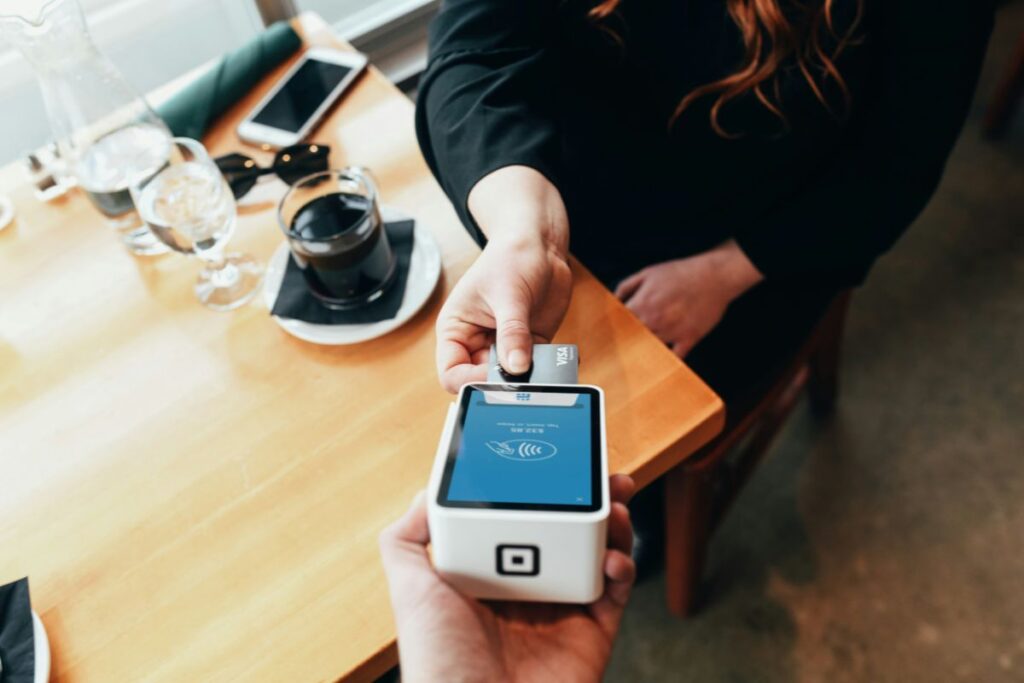
Table-side payment is now the norm in many restaurants. Staff bring the terminal to the customer rather than the other way around. It speeds up turnover, reduces the chance of errors, and feels more professional. For busy Friday and Saturday nights, that efficiency adds up.
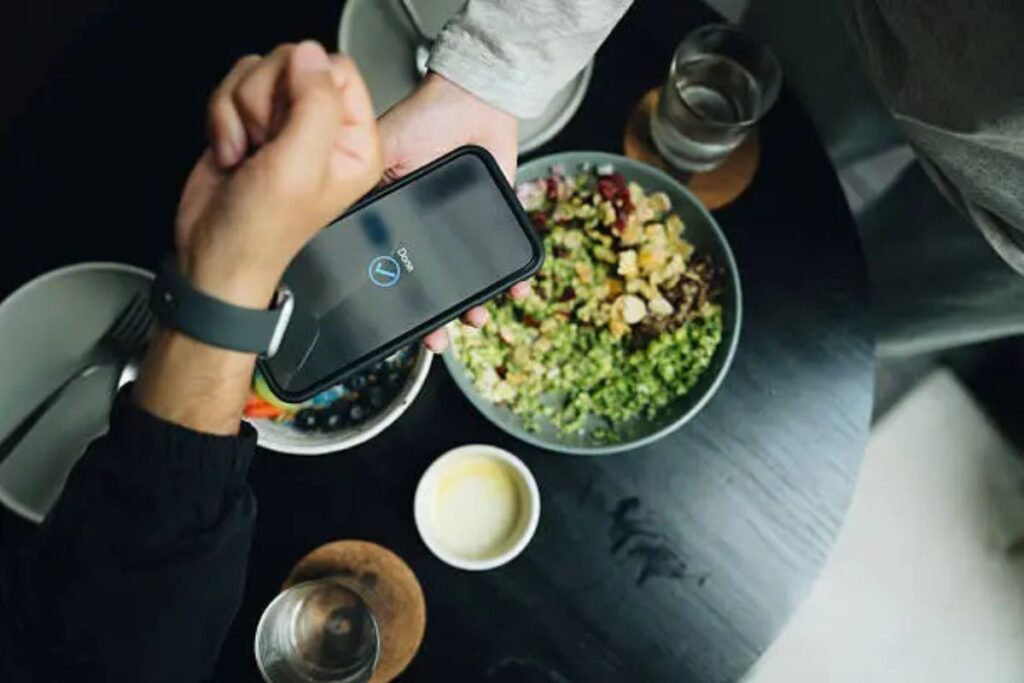
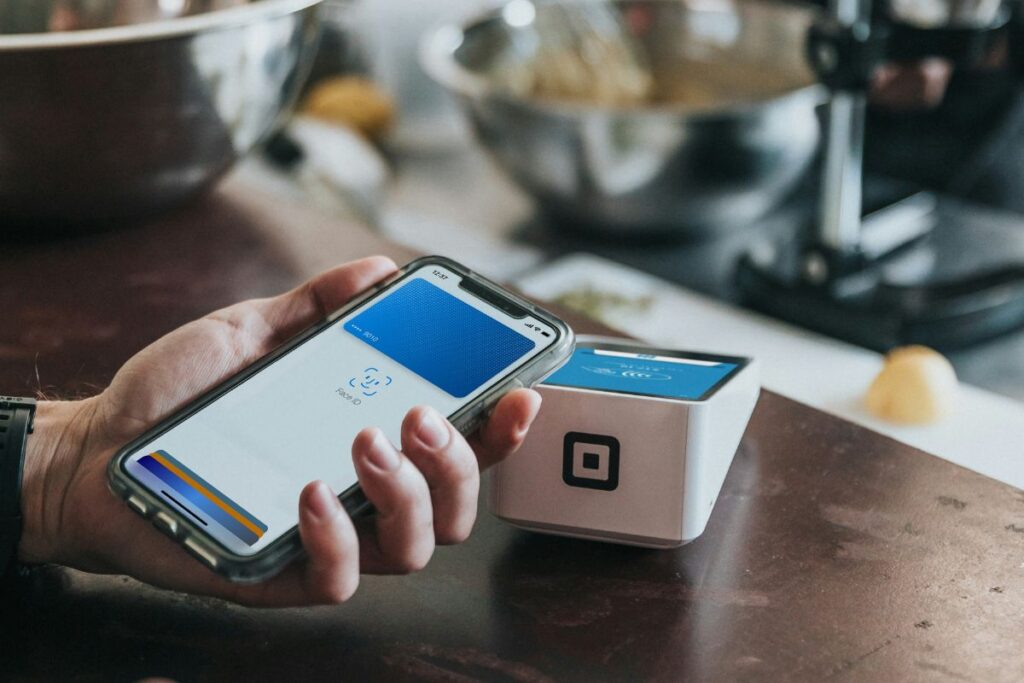
Contactless payments including mobile wallets like Apple Pay and Google Pay have also become standard expectations. If a terminal can’t handle tap-to-pay, it’s going to slow things down.
Bill Splitting and Tipping: The Two Features That Matter
Bill splitting sounds simple, but it’s one of those features that quietly improves the end of a meal. Groups are common in hospitality, and nobody wants to stand at the bar doing mental arithmetic at 10pm. A terminal that handles split payments on-device saves time and avoids the awkward back-and-forth.
Tipping functionality is equally important. Many customers want to tip, but they won’t do it unless the terminal prompts them. A good hospitality card machine will display a tipping screen automatically after the transaction amount is confirmed, giving the customer a clear choice without pressure. Some providers, like Zeller, let you set custom tip percentages, which can make a real difference to staff earnings over the course of a week.
These aren’t luxury features anymore. They’re basics that customers now expect, and hospitality venues that don’t offer them risk feeling behind the times.
How Portable Terminals Work in Practice
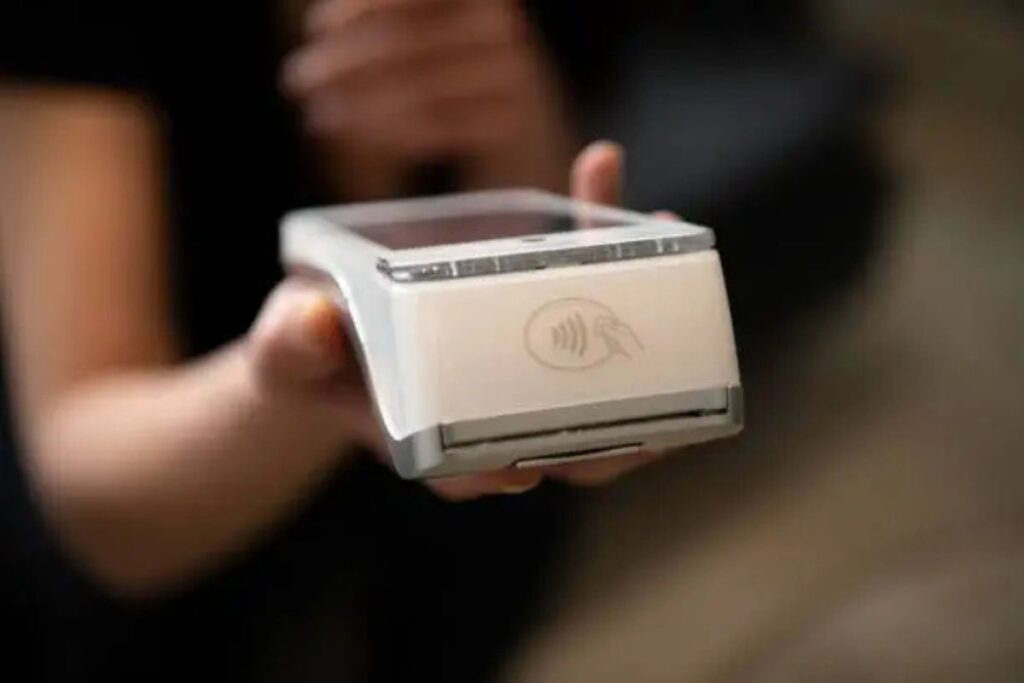
A portable terminal needs to be truly mobile , not just theoretically. That means reliable connectivity whether you’re at a table in the corner, out in a beer garden, or working a busy event space.
Modern terminals should connect via Wi-Fi as standard, with 4G SIM support as a backup. That dual-connectivity approach matters in environments where the Wi-Fi signal can be patchy or overloaded during peak hours. A dropped connection at the point of payment is one of the most frustrating things that can happen in a busy service.
Battery life is another practical consideration. A terminal that needs charging mid-shift isn’t much use. Providers that offer docking stations which keep the terminal topped up between uses, solve this problem neatly without requiring staff to think about it.
Connecting to Your Existing POS System
Most hospitality businesses already have a point-of-sale system in place, whether that’s a full restaurant management platform or something simpler. The question is whether a new payment terminal will plug into it cleanly, or create a parallel system that staff have to manage separately.
Seamless POS integration means that orders taken at the till or via a handheld device flow directly through to the payment terminal. There’s no need to re-enter amounts manually, which cuts down on errors and speeds up service. Some providers now integrate with hundreds of existing POS systems out of the box, which makes switching much less disruptive than it used to be.
Some card machines include built-in POS systems with basic functions, which can be ideal for smaller venues, a neighbourhood cafe or a pop-up bar. It removes the need for separate software entirely and keeps things straightforward.
No-Contract Pricing and What to Look For
One thing that puts hospitality businesses off upgrading their payment setup is the fear of being locked into a long contract with fees that are hard to unpick. Monthly rental fees, hidden fees, and settlement delays are all common complaints about traditional card payment providers.
The market has shifted, and more providers now offer no-contract, no-monthly-fee models where you buy the hardware outright. For a venue processing a high volume of lower-value transactions, round after round of drinks, for example knowing exactly what you’ll pay per transaction makes it much easier to budget.
It’s worth checking settlement times too. Same-day or next-business-day settlement keeps cash flowing, which matters a lot for smaller operators managing tight margins.
All in All
Hospitality has always been about people, but the operational side of running a pub, restaurant, or cafe has changed significantly. Payment is now a touchpoint that affects customer satisfaction, staff performance, and your bottom line.
Getting the right setup in place, choosing a terminal that’s portable, packed with the features that matter, and properly integrated, will make running your business much smoother.
Images courtesy of unsplash.com, pexels.com and Freepix.com