You can plan a wedding around the dress, the flowers, the food, and the playlist. Almost everyone does. But ask anyone who has attended more than a handful, and they will tell you the moment a celebration tips from “lovely” into “memorable” rarely has anything to do with the centrepieces.
It is something more atmospheric. The sense, somewhere between the speeches and the dessert, that everyone has settled in. That nobody is shifting in their seat or sneaking a glance at the door. That the room itself feels right on your big day.
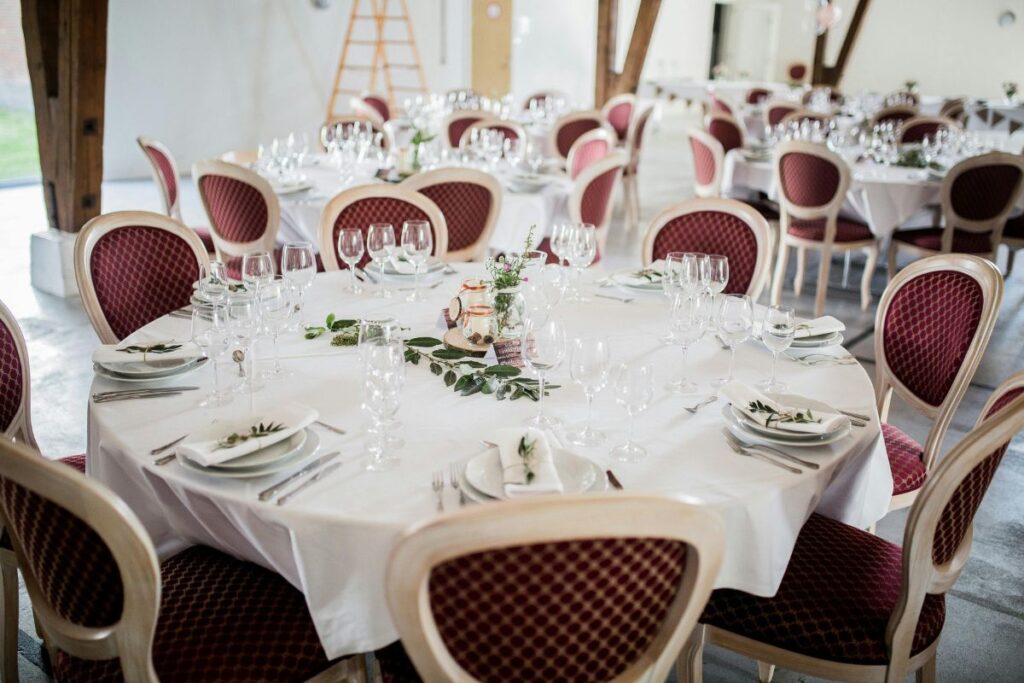
Hospitality designers have known about this for years. Hotels in Mayfair and country houses in the Cotswolds spend more time fussing over the seating in a ballroom than the chandeliers above it. The reason is straightforward. People remember how they felt in a room, and how they felt is largely a function of how comfortable they were for the four hours they spent inside it.
The Three-Hour Test
There is an unofficial yardstick used by event planners. Sit in the chair at the morning walk-through. Set a timer for three hours. Sit through the whole thing without moving. If you are still comfortable at the end, the room will work. If your back is grumbling at the ninety-minute mark, your guests will not enjoy the toasts.
This is not theatre. A poorly chosen chair shows up in subtle ways across an evening. The bridesmaids start standing up earlier. The dance floor fills not because the band has hit its stride, but because half the room would rather move than sit. Conversation tails off in pockets. Photographers later notice that the wide shots of the dinner all have somebody mid-stretch.
Why Hotels Specify the Way They Do
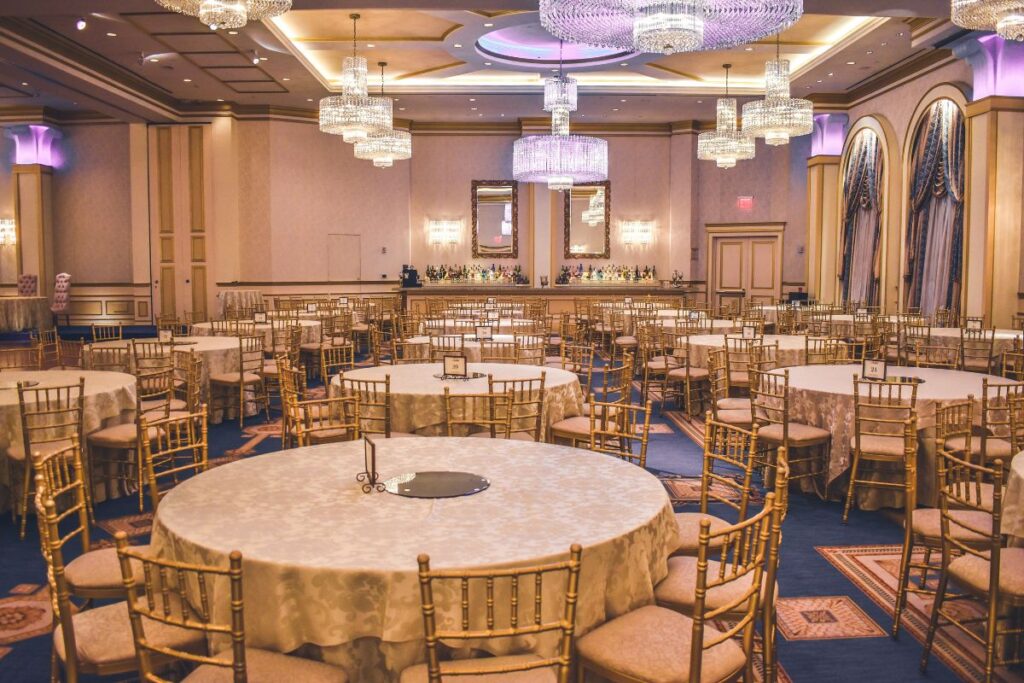
The reason luxury hotels invest as heavily as they do in their function seating for your big day is partly aesthetic and partly practical. A ballroom is an empty space for most of the week. It earns its rent only when it is filled. That means the seating has to do two jobs simultaneously: photograph beautifully and reward the body for sitting in it.
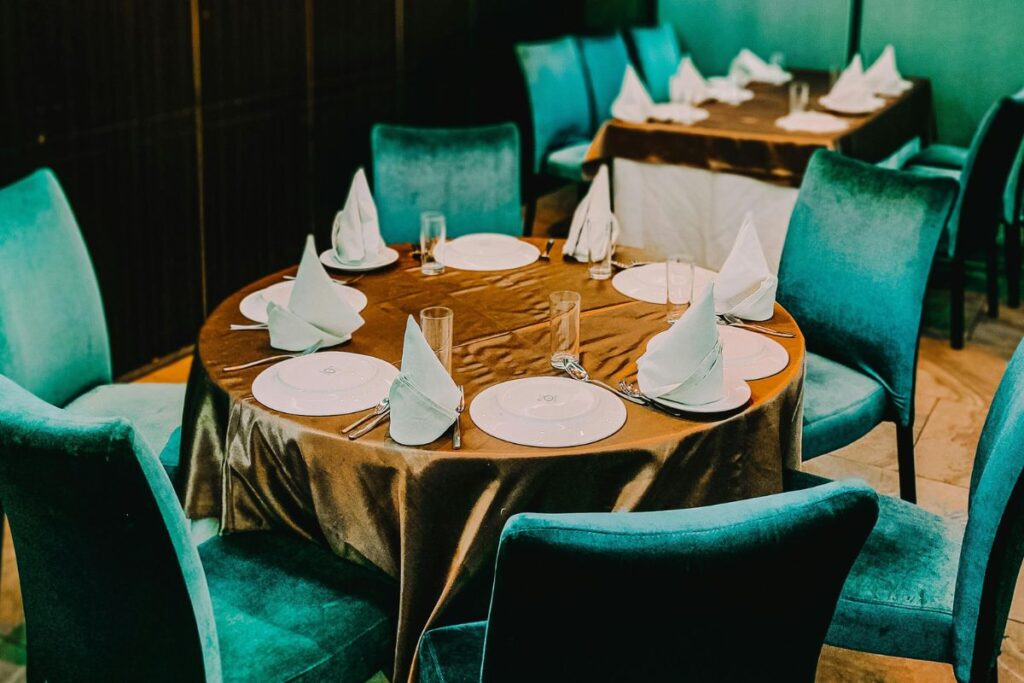
The current generation of contract-grade banquet seats used by the better UK venues has finally caught up with that brief. The frames are lighter and stronger than they were a decade ago. The seat pads are shaped rather than slab-cut. The fabric range has expanded to include neutrals that disappear into any colour palette, and metallics that lift a room without dominating it.
The change is most obvious in the photographs. Twenty years ago, function chairs were the thing the bride hid with floor-length covers and an exhausted-looking sash. Today, they tend to be left as designed. They earn their place in the frame.
The Bit Couples Tend to Skip
When couples tour venues, they almost always notice the same things. The view from the head table. The light through the windows in the afternoon. Whether the staircase suits the dress. The chairs are noted in passing, if at all, and only really considered if they look obviously dated.
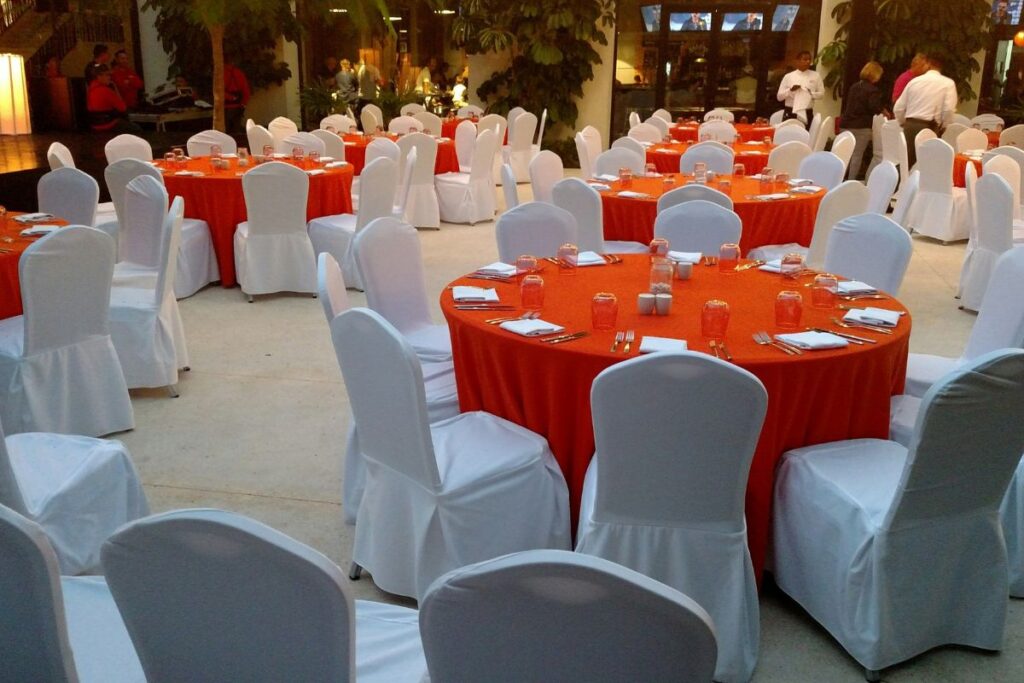
It is worth a closer look. Sit in one. Then ask how old they are. Ask whether the venue has its own seating or hires it in. Ask how they store them. The answers tell you a lot about how the venue runs, and quietly, how the day is likely to feel by the time the candles are lit.
A Small Tip from Wedding Planners
The professionals have a habit of asking to be shown the chairs that go to the top table. Not the front row of the ceremony, not the chairs near the bar. The ones the wedding party will sit in for the meal. If the answer is “the same as all the others, but with a sash,” that is usually a good sign. It means the venue has confidence in the entire stock, rather than borrowing a nicer chair to put in the photographs.
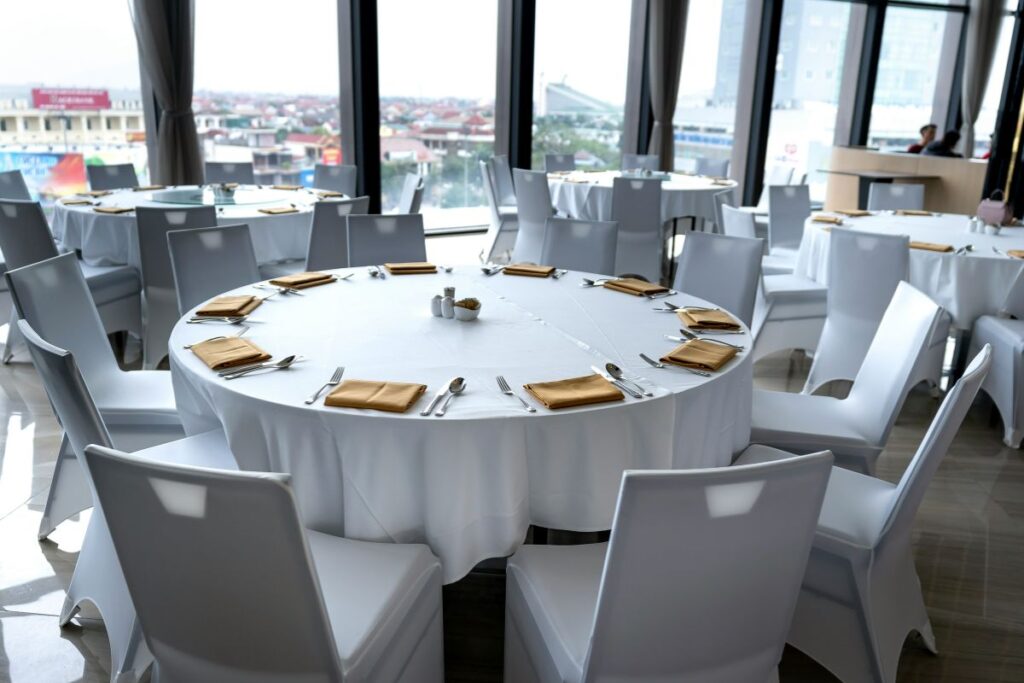
The best evenings are not about getting any one element extraordinary. They are about getting the unglamorous things right, so that nothing distracts from the bit that matters. The seating is one of those quiet decisions. Make it well, and nobody will notice on your big day. Make it badly, and they will all feel it, even if they cannot say why.
Images courtesy of unsplash.com, pexels.com and Freepix.com