Many visitors arrive in Greece expecting beaches, whitewashed resorts, and lively waterfront promenades. While those scenes remain part of the country’s appeal, some of Greece’s most memorable experiences happen far beyond the hotel terraces and crowded marina streets. Old walking trails still connect mountain villages, quiet coastal roads pass through olive groves and vineyards, and local traditions continue shaping daily life in places where tourism feels far less dominant.
From the pine-covered trails of Skiathos to the rural landscapes of Crete, Greece offers countless opportunities to experience a quieter and more authentic side of the country.
Soaking Up the Local Culture on the Quiet Trails of Skiathos
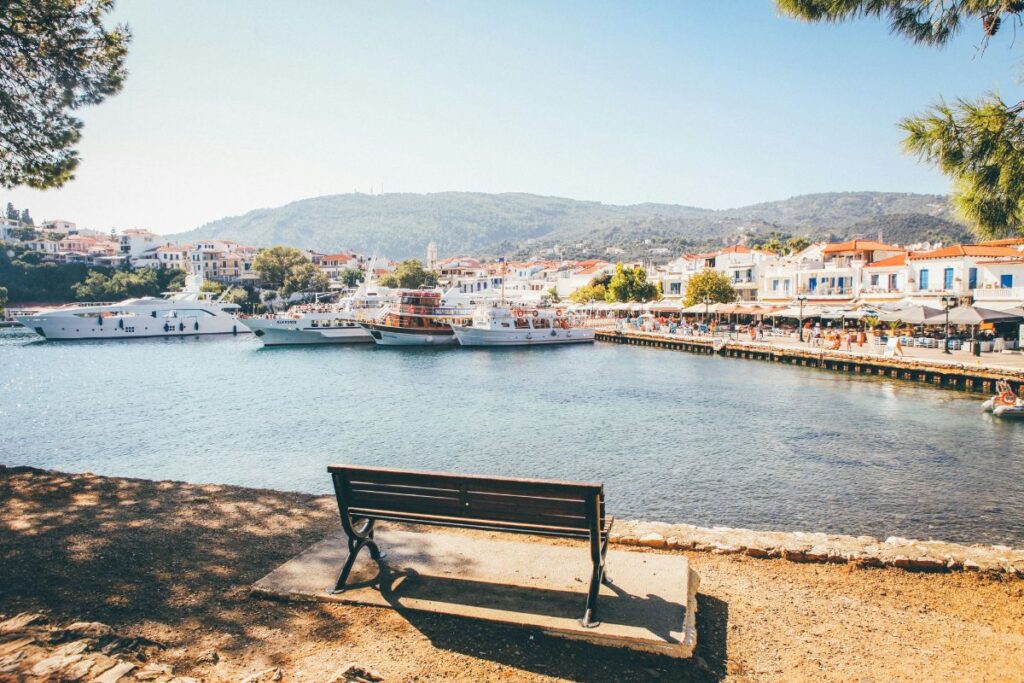
Most visitors know Skiathos for beaches like Koukounaries and Vromolimnos, though the island also has one of the better-marked walking networks in the Sporades. Footpaths climb inland through pine forest towards Evangelistria Monastery, where the courtyard still fills with locals buying herbs, honey, and olive oil from nearby farms.
Around the old town, narrow lanes behind Papadiamanti Street stay busy during the evenings, especially near the small bakeries and grocery shops tucked between whitewashed houses. Near Kechria Beach, dirt tracks pass abandoned stone farmhouses and tiny shrines with fading blue doors, while coastal trails north of Lalaria look out across dramatic cliffs and open sea.
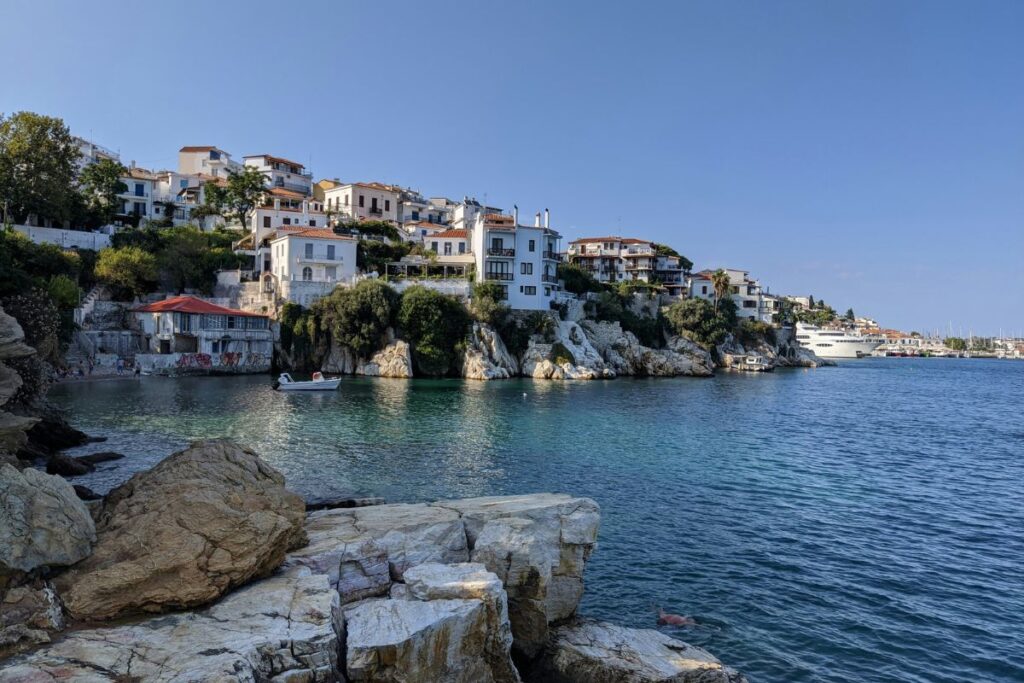
Those planning Skiathos villa holidays can stay near the quieter parts of the island, around Kanapitsa, Troulos, and Agia Paraskevi, where older walking paths still link secluded beaches to inland villages and hillside chapels. Villas in these areas provide a more relaxing base away from the busiest resort strips, while also offering easy access to coastal trails, hidden coves, and traditional corners of the island that many visitors never reach.
Stepping Back in Time Along the Ancient Paths of Mainland Peloponnese
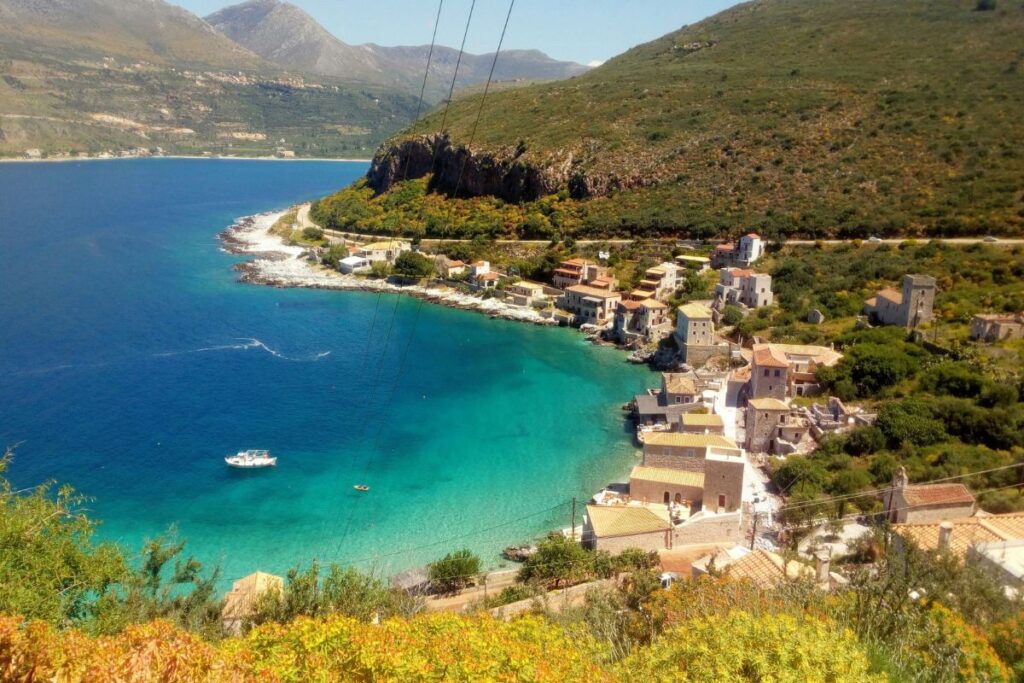
The mainland Peloponnese has some of the oldest walking routes in Greece, especially around Arcadia and the Mani Peninsula. In Dimitsana, stone alleyways climb past old merchant houses and watermills overlooking the Lousios Gorge. The route between Dimitsana and Stemnitsa remains one of the most-walked sections of the Menalon Trail, with mule paths cutting through walnut groves and dense woodland above the river.
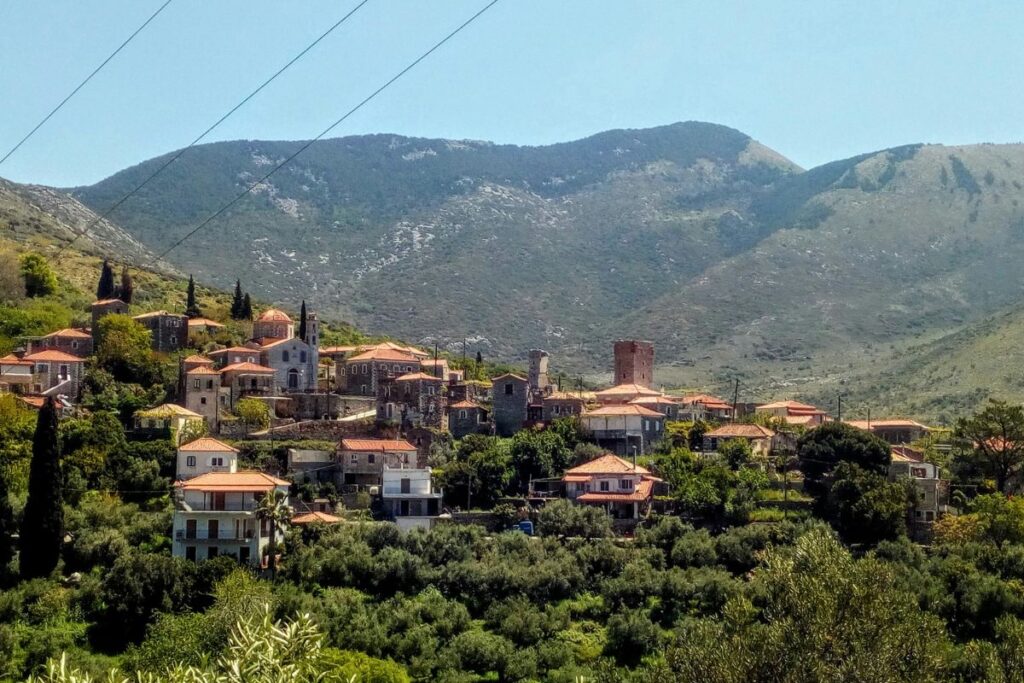
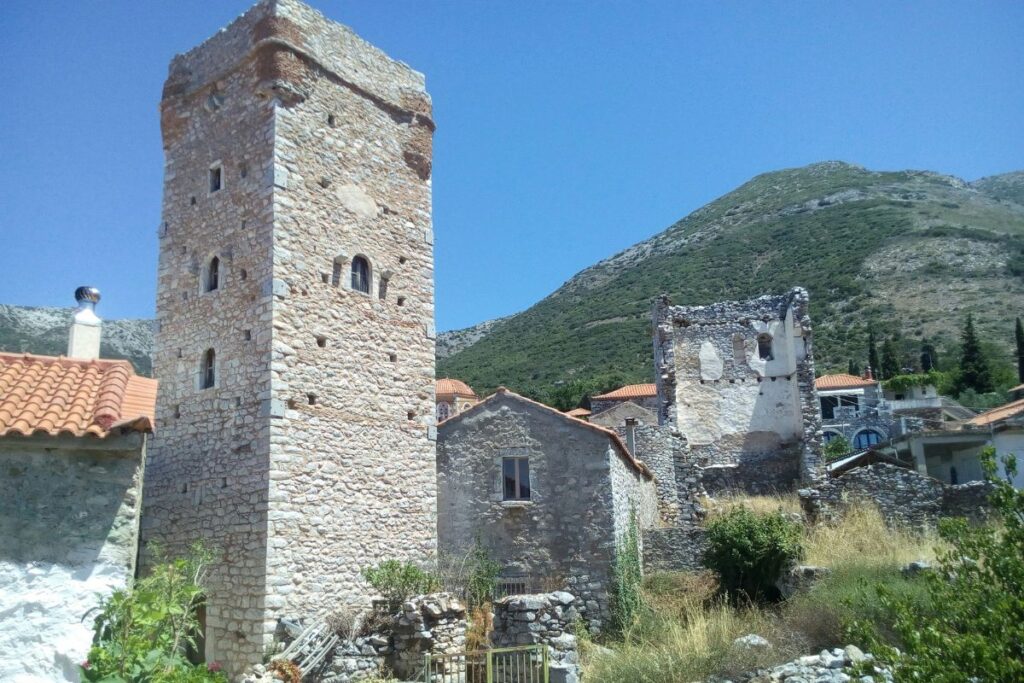
Further south, the Mani region feels harsher and more isolated. Villages like Vatheia and Areopoli still contain fortified tower houses built during clan disputes centuries ago. Around the main square in Areopoli, local produce stalls line outside old stone churches during weekend markets, and narrow lanes lead to small workshops selling woven textiles and carved olive wood.
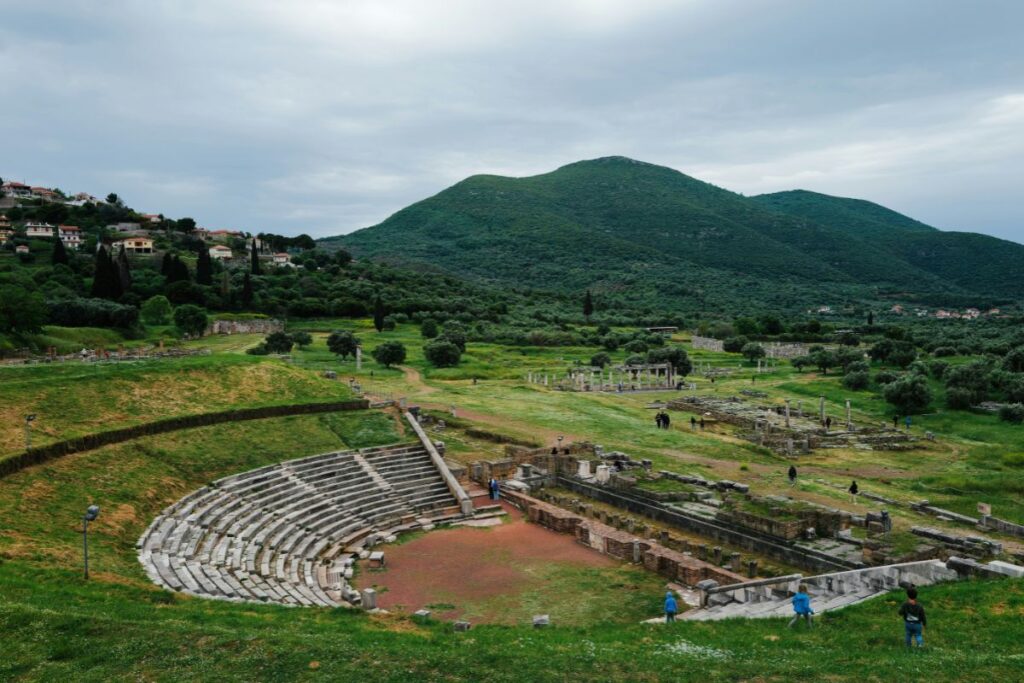
Near Ancient Messene, walking routes pass directly beside huge archaeological remains, including the Arcadian Gate, stadium, and the old theatre complex. The site sees far fewer visitors than places like Delphi or Athens, even during the summer season.
Taking Your Own Time on Self-Guided Walking Holidays Through Traditional Villages
Northern Greece suits avid walkers who prefer travelling independently through smaller villages where local life still centres around village squares, bakeries, and weekly markets. In Zagori, stone paths known as kalderimia connect villages such as Monodendri, Kapesovo, and Vitsa. Many of these routes were originally built for traders and shepherds crossing the mountains long before proper roads existed.
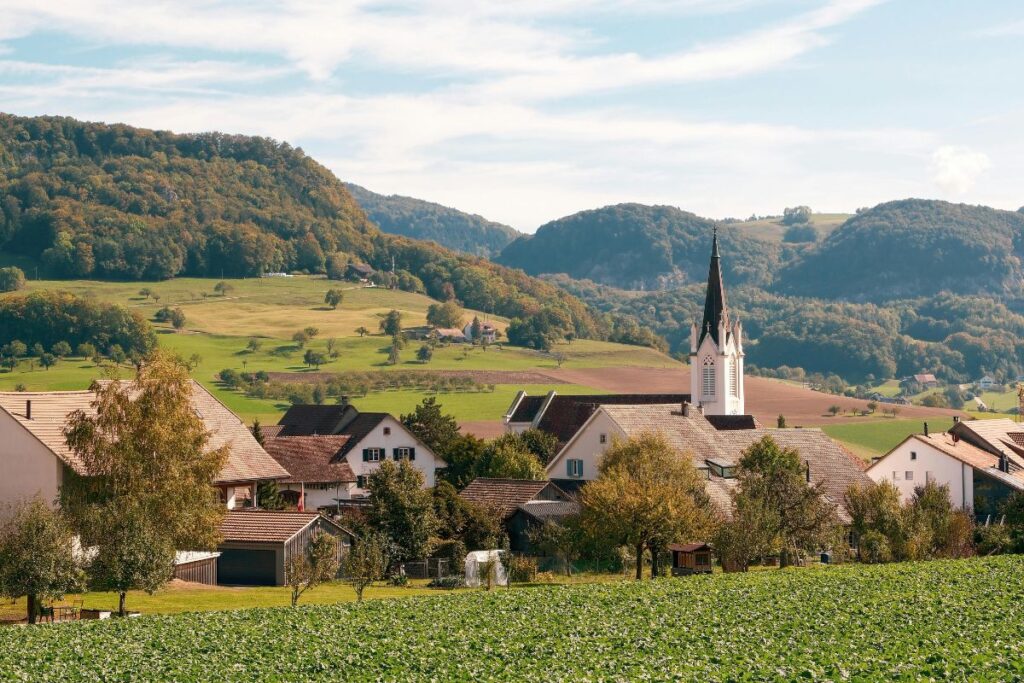
Greece has become a popular destination for those interested in trying self-guided walking holidays because village-to-village routes are well established across places like Zagori, Pelion, and Crete. These walking trips usually include mapped trails, luggage transfers, and local guesthouses, which allow walkers to spend more time actually exploring the villages themselves. In places like Makrinitsa near Mount Pelion, old stone staircases wind past fountains and shaded squares filled with locals playing cards late into the afternoon.
On Naxos, inland trails through Halki and Filoti pass old olive presses, crumbling Venetian towers, and tiny churches sitting beside terraced farmland. These are the parts of Greece many visitors completely miss.
Exploring the High Peaks and Dramatic Gorges of the Pindus Mountains
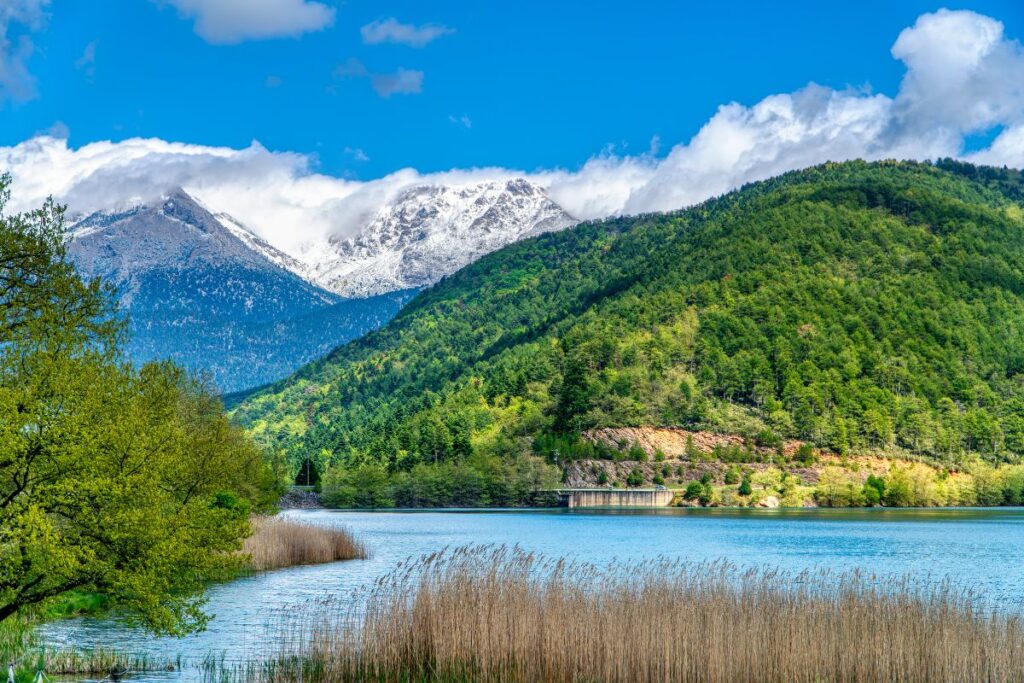
The Pindus Mountains stretch across northern Greece near the Albanian border and contain some of the country’s most demanding hiking terrain. Around Papingo village, steep stone paths climb towards the Vikos Gorge, one of the deepest gorges in Europe. The walk from Monodendri down to the Voidomatis River passes loose rock, old bridges, and sections shaded by black pine forest for hours at a time.
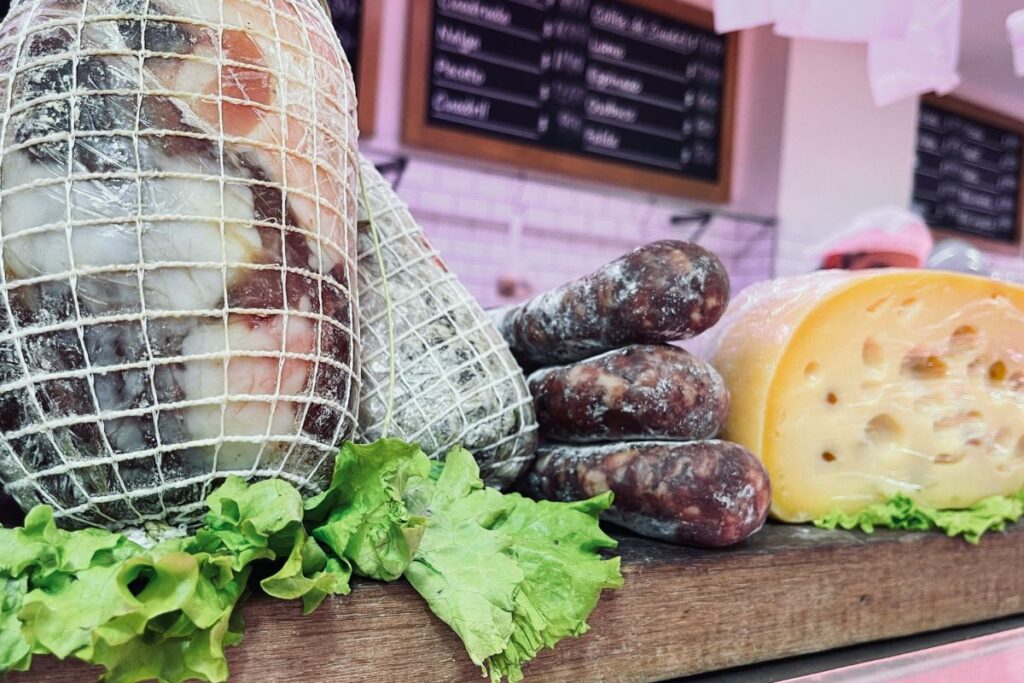
In Metsovo, mountain roads lead into Vlach villages where smoked cheese, cured meats, and woven fabrics remain part of daily trade. The town square near the Tositsa Museum stays busy on weekends with hikers, shepherds, and local farmers gathering around produce stalls. Higher into the mountains, the Valia Calda National Park has bear and wolf populations, though sightings remain fairly rare for most hikers.
In autumn, many walking routes around Smolikas and Mount Tymfi fill with chestnut leaves and low cloud hanging across the valleys. Some trails remain inaccessible during winter snowfall, especially around the Dragon Lake routes above Mikro Papingo.
Autumn brings its own quiet beauty to the Pindus, though for many the ideal time to explore Greece is June, when long evenings stretch across the mountains and valleys, and the whole country feels unhurried and alive. That atmosphere extends well beyond the hiking trails. Greece has long drawn couples for the same reasons it draws walkers — the landscapes, the village life, and the sense of being somewhere that moves at its own pace, which is why it remains one of the most sought-after honeymoon destinations in June. Candlelit tavernas tucked into hillside villages, secluded coves reached only on foot, and the warmth of small communities that still welcome strangers the old way all contribute to a romance that feels genuinely rooted in the place rather than packaged for tourists.
Discovering the Historic Architecture and Quiet Olive Groves of Crete
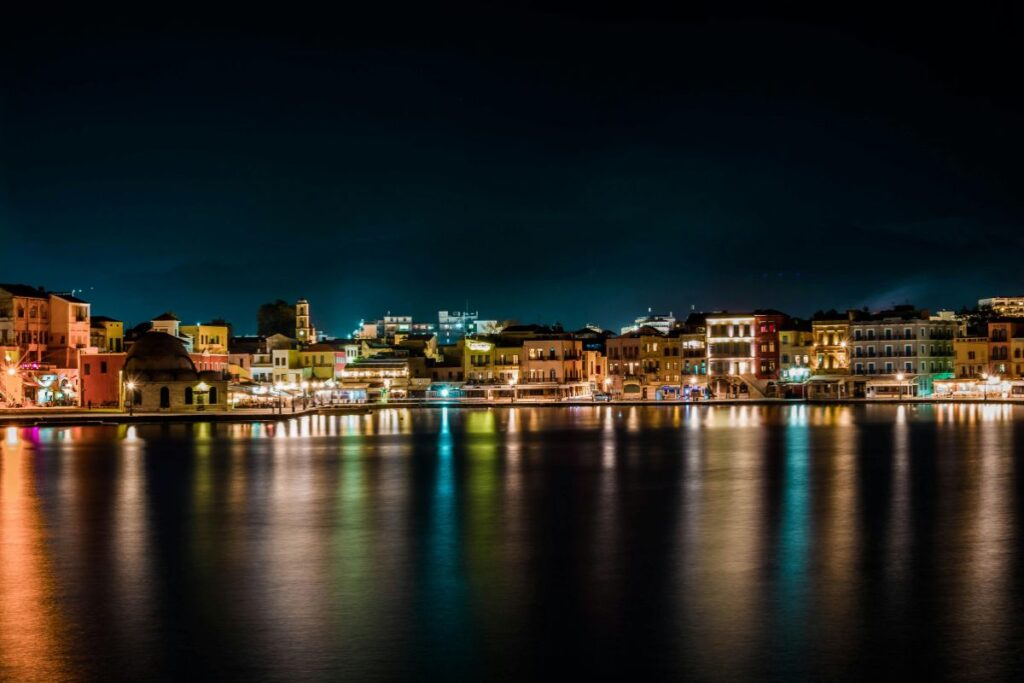
Crete has enough archaeological sites and mountain villages to fill several trips without spending much time on the beach. In Chania’s old town, backstreets behind the Venetian harbour contain workshops, produce stores, and old Ottoman buildings hidden away from the waterfront crowds. The covered market area near Daskalogianni Street still draws local shoppers buying herbs, olives, seafood, and bread early in the morning.
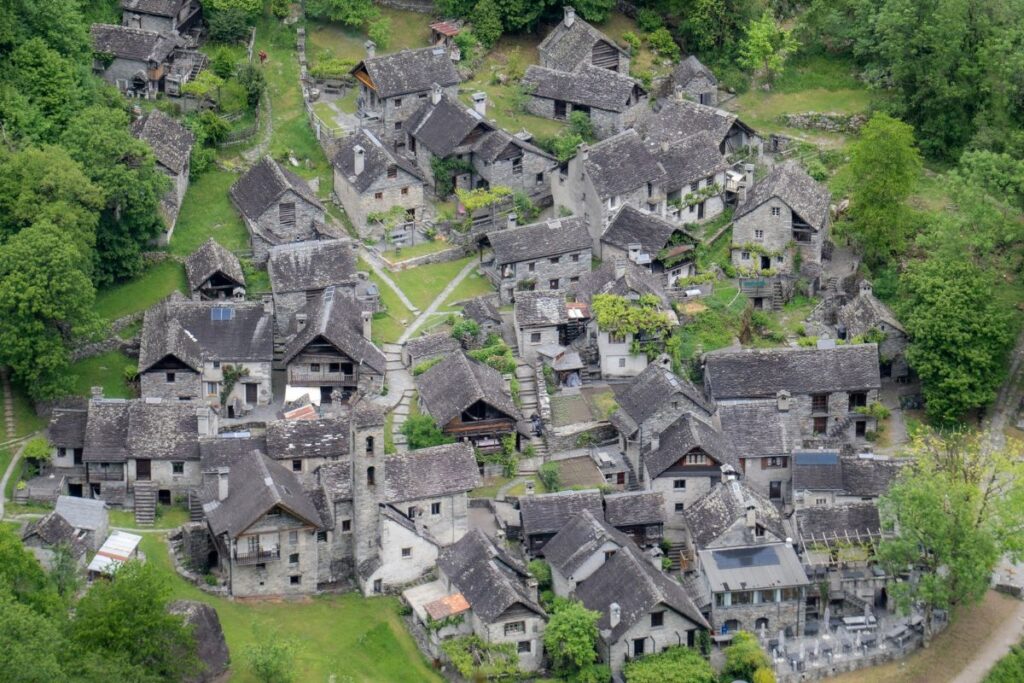
Further inland, villages around Apokoronas and Vamos contain old stone houses surrounded by olive groves that stretch for miles across the hills. Small chapels sit beside narrow roads lined with cypress trees and dry stone walls. Near Spili, mountain springs pour continuously through Venetian lion-head fountains into channels running through the village centre.
The walking route through Samaria Gorge remains one of Crete’s best-known hikes, though smaller routes near Sougia and Loutro often feel quieter. In eastern Crete, villages near Kritsa and the Lassithi Plateau still produce olive oil and honey using long-established farming methods. Many local homes keep woven textiles hanging across balconies above the narrow lanes.
Are you ready to discover a different side to the Greek islands?
The places above show how much of Greece sits outside the usual resort experience. Skiathos has inland footpaths and monastery trails that many beach visitors never reach. The Peloponnese has ancient roads, fortified villages, and archaeological sites scattered across the hills. Northern Greece continues to attract walkers heading through Zagori and the Pindus Mountains, where stone villages and mountain passes still shape everyday life. Crete combines Venetian towns, olive-growing villages, and long-distance hiking routes cutting through some of the country’s roughest terrain. Travellers who spend time in these areas usually come home talking less about hotel pools and more about mountain paths, village squares, local markets, and the locals they met along the way.
Images courtesy of unsplash.com and pexels.com