Running a smooth production line is a little bit like conducting an orchestra. When every part works together properly, things move quickly and efficiently and with far less stress. But when 1 area slows down, the whole operation can suddenly feel like chaos. Whether you manage a factory, warehouse or a manufacturing business, improving efficiency does not always require huge changes. Often it’s the smaller adjustments that can make a big difference.
For example, a cluttered or disorganized production line can quickly lead to delays, confusion and then mistakes. Clear systems will help employees to work faster and more confidently while reducing unnecessary downtime. This includes organising tools, inventory, workstations and shipping processes. Businesses that work closely with the fulfilment centre often benefit from having streamlined systems that improve storage, packing and delivery efficiency. When everyone knows exactly where things belong and what needs to happen next, the entire workflow becomes a lot smoother.
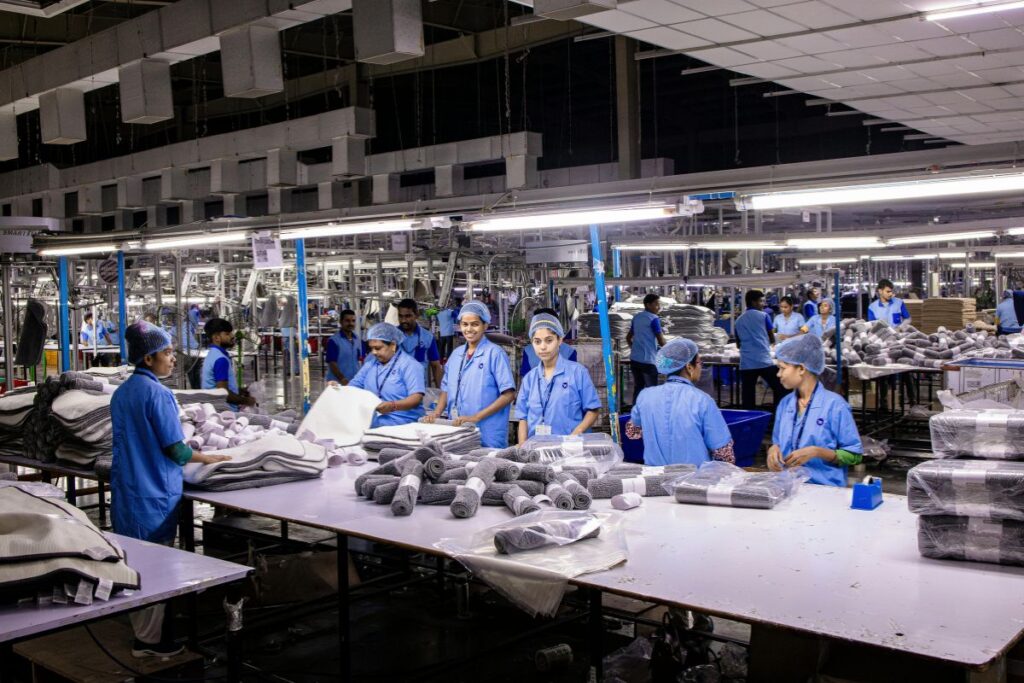
One of the biggest assets you have is your team. They play a huge role in production efficiency and investing in employee training is going to help you to maximise that. Even the best equipment cannot perform well if employees are unsure how to use it properly. Regular training helps workers to stay confident and productive, and up to date with procedures and safety standards. Cross-trading employees can also be incredibly useful because it allows team members to step into different roles when needed. A knowledgeable, supported team is usually far more efficient than anything else.
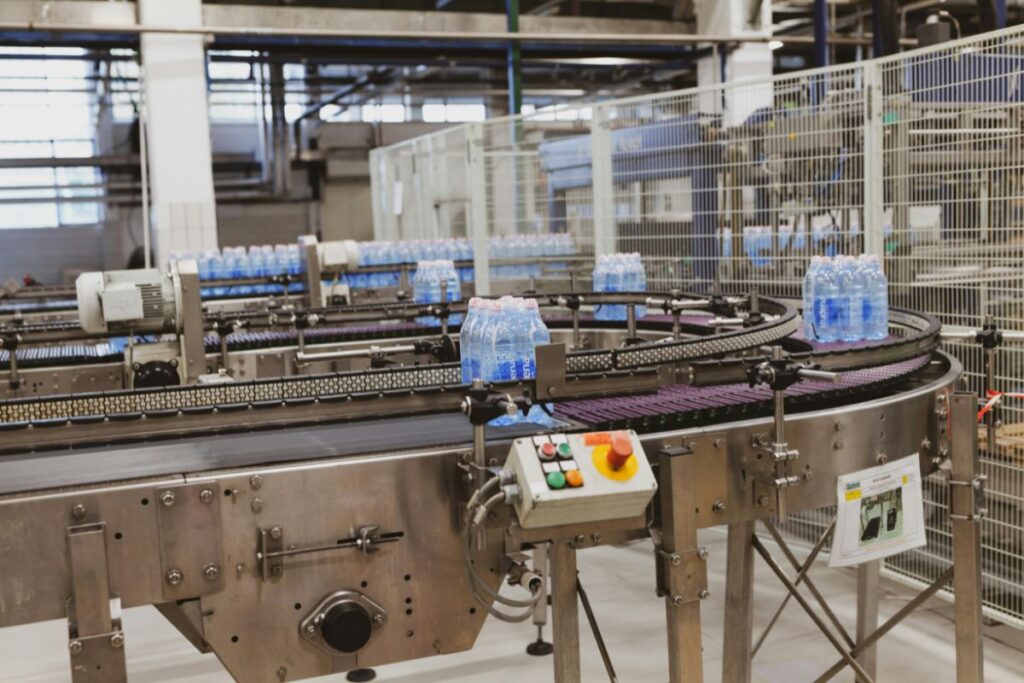
Most delays in production happen because of bottlenecks. This just happens because one part of the process slows everything down. Identifying these bottlenecks can help improve overall productivity. Taking the time to observe where delays commonly occur is important. Is machinery slowing things down, or are the staff waiting for materials? Once you identify the problem areas, even small improvements can have a ripple effect across the entire production line. Machines work very hard, and like anything else, they need regular care to perform at their best. Waiting until equipment breaks down leads to expensive repairs and production delays. Routine maintenance checks will help to catch the smaller issues before they become bigger problems. Clean equipment, updated software, and properly serviced machinery will run faster and more reliably as a result. Preventative maintenance may not sound like an exciting thing to do, but it saves you a huge amount of time and stress.
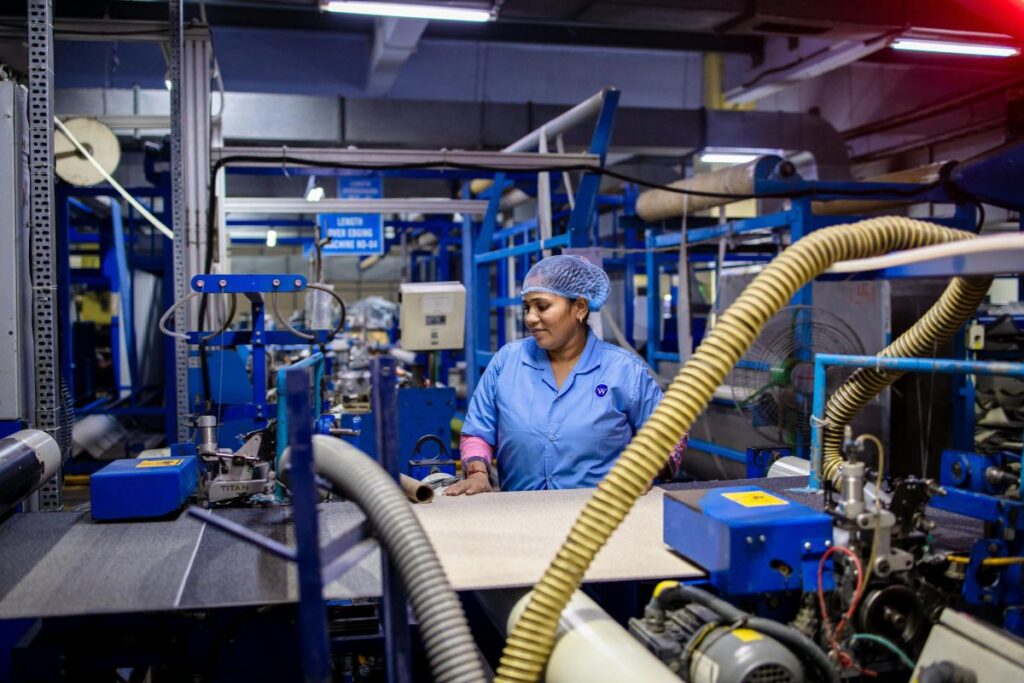
Above all else, improved communication where you can. Good communication keeps your production lines moving smoothly. When teams know what’s happening, problems can often be solved quickly before it grows into larger issues. Clear instructions and regular updates will all help to improve efficiency. Encouraging employees to speak up when they notice problems also leads to valuable improvements. Sometimes the people working directly on the production floor spot solutions management may not immediately notice. Technology can significantly help here too. All in all, keeping your production line efficient is about creating the right systems that keeps everybody working together smoothly.
Images courtesy of unsplash.com, pexels.com and Freepix.com