Two of the most important outfits in Indian ethnic fashion are the saree and the lehenga, and they are timeless outfits that India has immense love for. Saree is an important traditional garment worn by women. However, lehengas have become a go-to for celebratory functions like weddings, parties and festive occasions.
The Lehenga and saree both have their own beauty and charm and women get often confused between the two.
In this blog, we shall learn about the key differences between the styles and understand which suits to different occasions.
Lehenga vs Saree: Key Differences You Should Know
Lehenga and saree both have their own importance, but there are some factors that make them different from each other.
Ease of Wearing
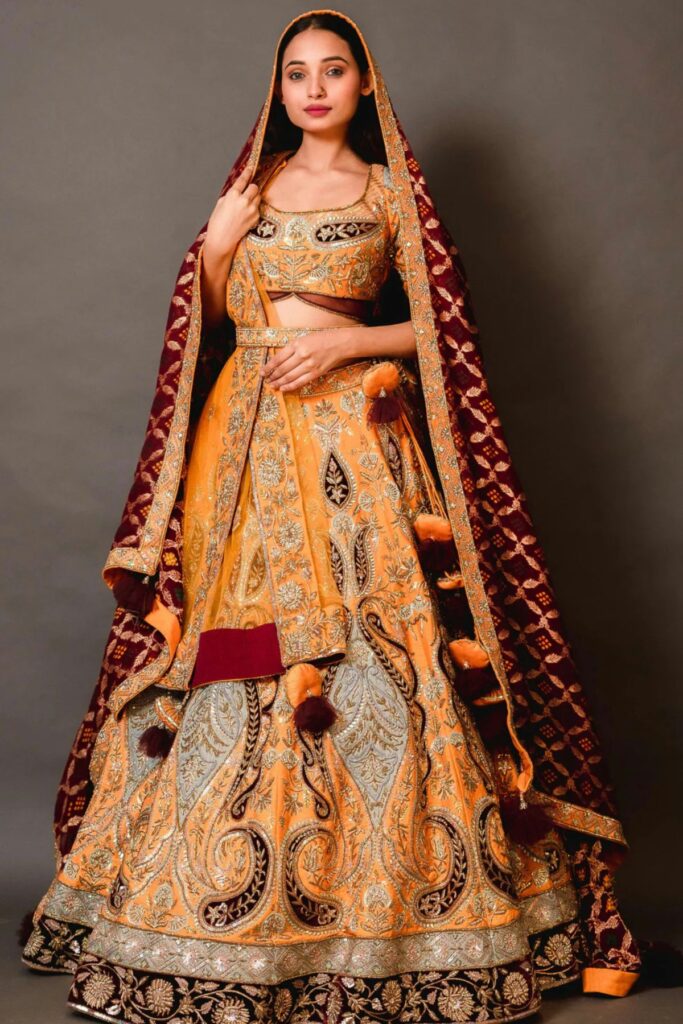
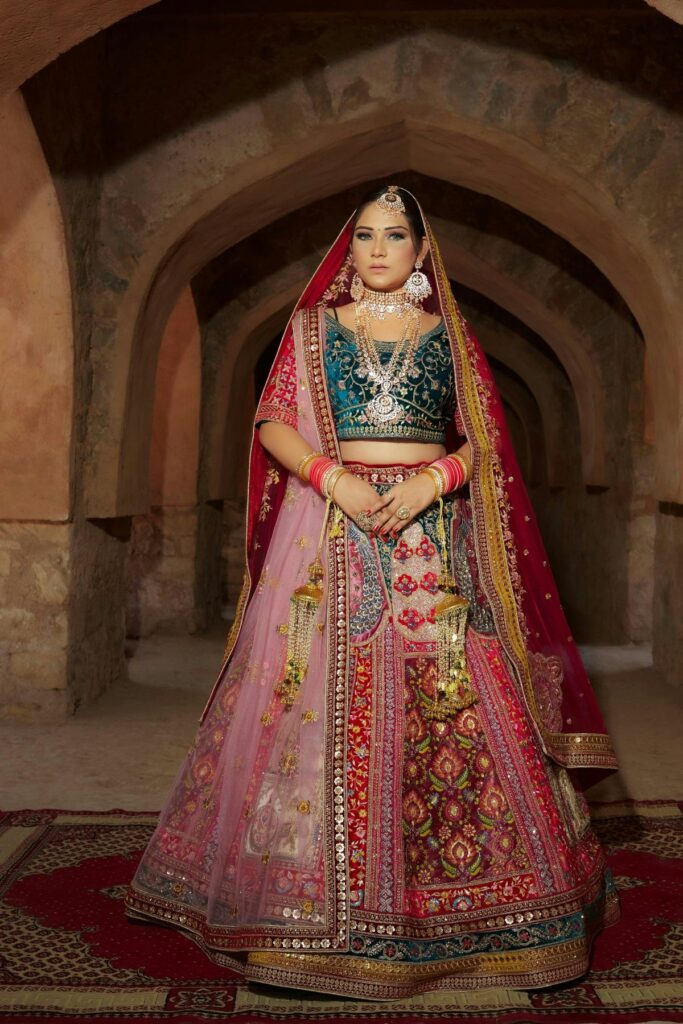
A lehenga is much easier to handle, especially if you’re not used to traditional wear. You just wear the skirt, blouse, and dupatta, no complicated draping involved. For example, if you are getting ready for a wedding function in a rush, you can put on a lehenga in 10–15 minutes without help.
A saree, on the other hand, takes time and a bit of skill. You have to pleat it properly, set the pallu, and make sure everything stays in place, which is not always easy.
Comfort Level
Comfort really depends on how long you have to wear it. A lehenga generally feels more secure because it’s stitched and stays in place. You can sit, walk, and even dance freely without constantly adjusting it.
While the comfort level varies when it comes to a saree. This depends on how mature you are to handle the saree. If you can manage the pleats or adjust the pallu, then this is the right choice.
Versatility
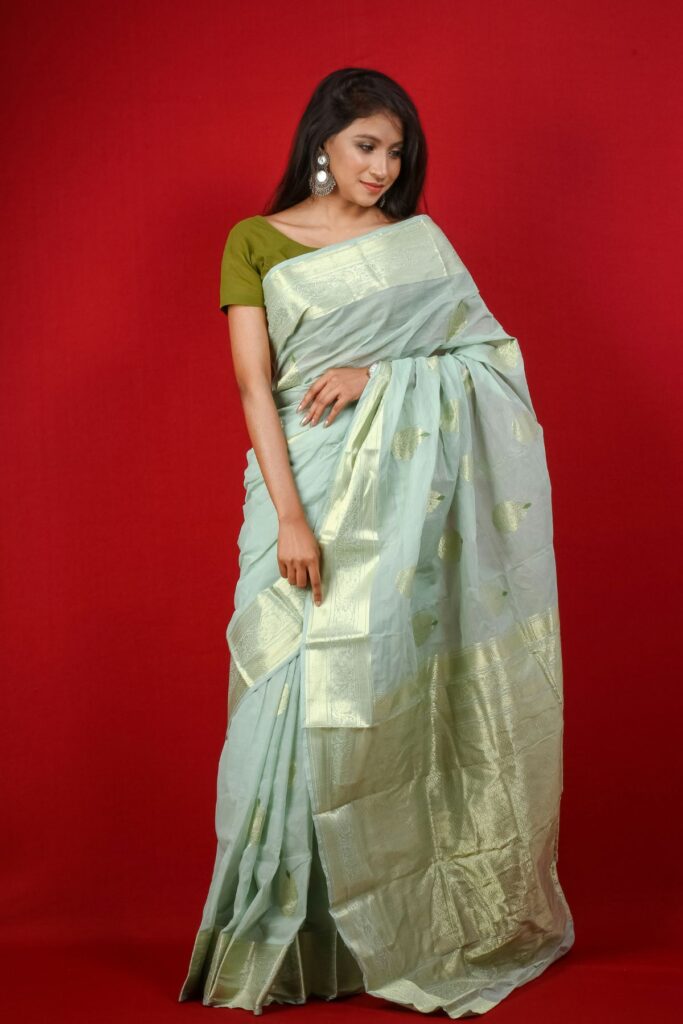
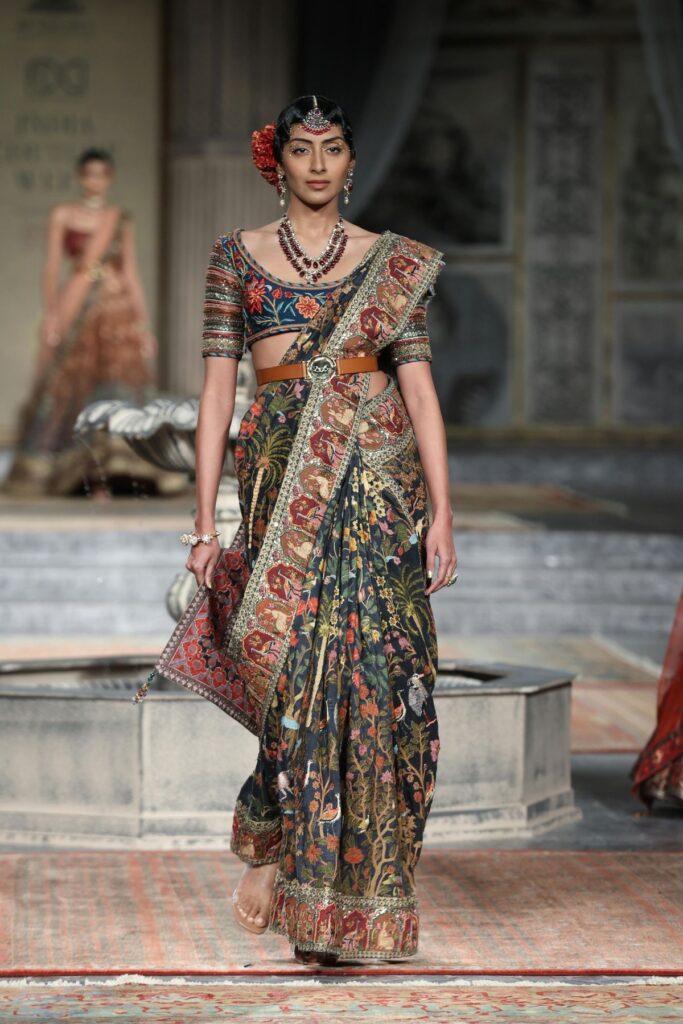
Sarees clearly win when it comes to versatility. The best part about these is that you can experiment with draping styles, blouse styles, and wear them to different occasions. For example, a silk saree worn at a wedding can later be styled with a simple blouse and worn to a family function.
Lehengas are comparatively more occasion-specific. A heavy bridal lehenga, for instance, is usually worn once or twice. Even lighter lehengas are harder to restyle without making it obvious that you’ve repeated the outfit.
Formality
The best part about buying a saree is that they are timeless. Available in multiple designs, you can wear them to a formal event, a traditional ceremony and even office wear. But you cannot carry every lehenga to every formal occasion. Some simple ones, like art silk or printed lehengas, work best for corporate events and formal pujas.
Price Range
Lehengas, especially designer or bridal ones, can get expensive very quickly. Designer lehengas have heavy embroideries and detailing that increase the cost. While sarees have a wide price range, you will find both affordable and high-end options. Silk, kanjivaram, and chiffon are considered costly sarees, while cotton, georgette, and polycotton are considered budget-friendly.
Which Outfit is Best for Which Occasion?
Weddings and Bridal Functions
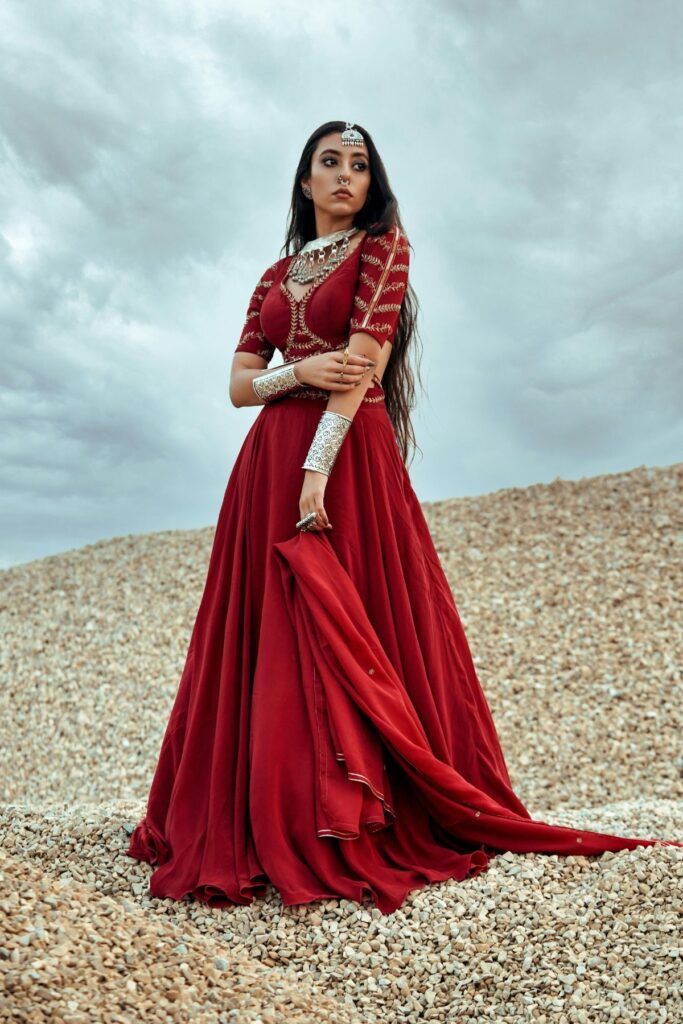
The choice between a lehenga and a saree depends on the event for which you want to wear it. For example, a lehenga suits bridal wear, sangeet, and reception events. It has heavy embroidery and a flared silhouette that suits these kinds of events.
A saree fits traditional rituals, wedding ceremonies, and family functions. Silk sarees add richness and grace, especially for brides and close family members.
Pre-wedding Functions
Pre-wedding events like mehendi or haldi are more relaxed and fun, so people usually go for outfits that are stylish but easy to handle. Lehenga sets (especially lighter ones) work really well here because you can move around freely, sit comfortably, and enjoy the event without worrying about your outfit.
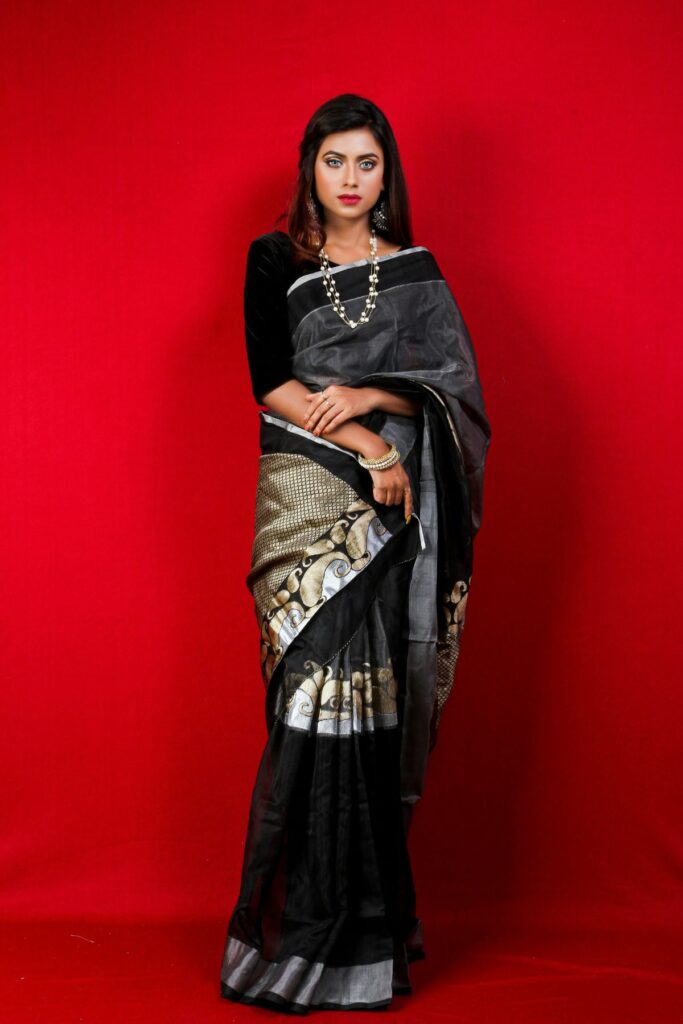
At the same time, many people now wear lightweight sarees for these functions too, like organza or chiffon, because they’re easier to drape and carry.
Parties
For parties, the choice depends a lot on the vibe. A party wear lehenga is a great option during a wedding after-party and even a big celebration. But a saree actually looks more apt during small and casual parties. A pre-draped or ready-to-wear saree is becoming quite popular because it gives you the traditional look without the hassle.
Festivities
Both outfits work beautifully during Diwali, Navratri and even Onam. Lehenga cholis are especially popular during Navratri because they’re comfortable for dancing. While kasavu-inspired lehengas look beautiful during Onam.
Sarees are more commonly worn for family gatherings or pujas during festivals. For example, wearing a simple silk or cotton saree during Diwali puja feels more traditional and appropriate.
Reception
Lehengas are a staple outfit when it comes to attending receptions. Also, you can easily carry a lehenga for long hours and look grand under lights.
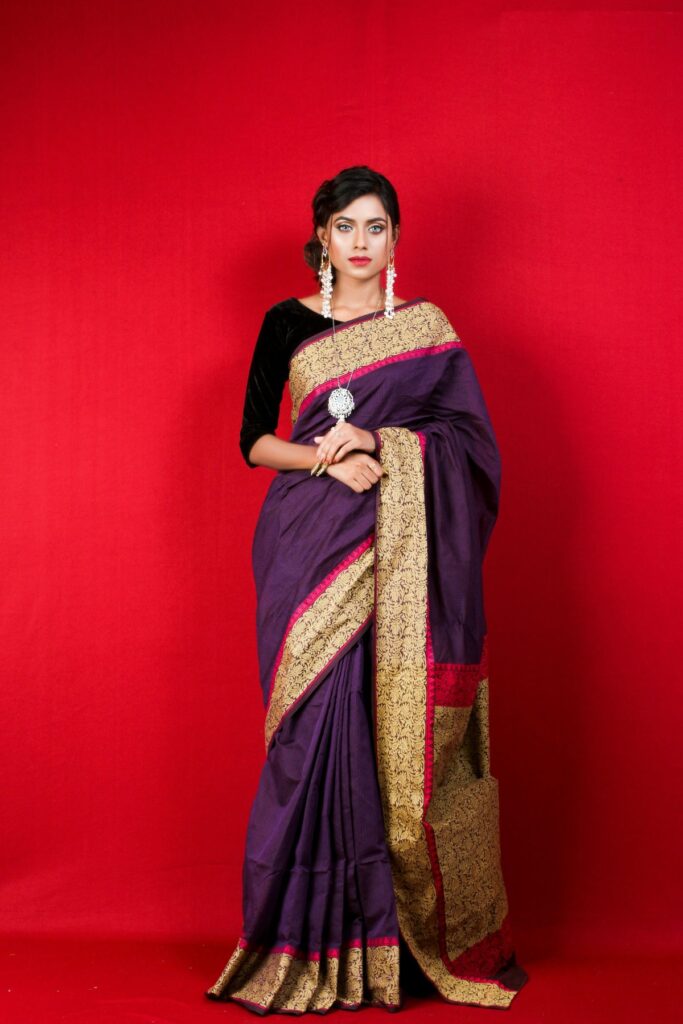
That said, sarees are also a strong choice for receptions, especially for guests. A well-draped designer saree can look just as elegant and sometimes even more beautiful than a lehenga.
Cultural Events
Sarees are a safe option when you are attending school functions, college fests, or religious gatherings. You can choose from a wide variety of designs like cotton taant saree, bagru print and even Kalamkari print.
Lehengas can work too, but they sometimes feel a bit too festive or heavy unless the event specifically calls for it. For example, someone performing a classical dance might wear a lehenga-style costume. But someone attending a cultural seminar or function would almost always choose a saree over a lehenga.
Images courtesy of unsplash.com and pexels.com