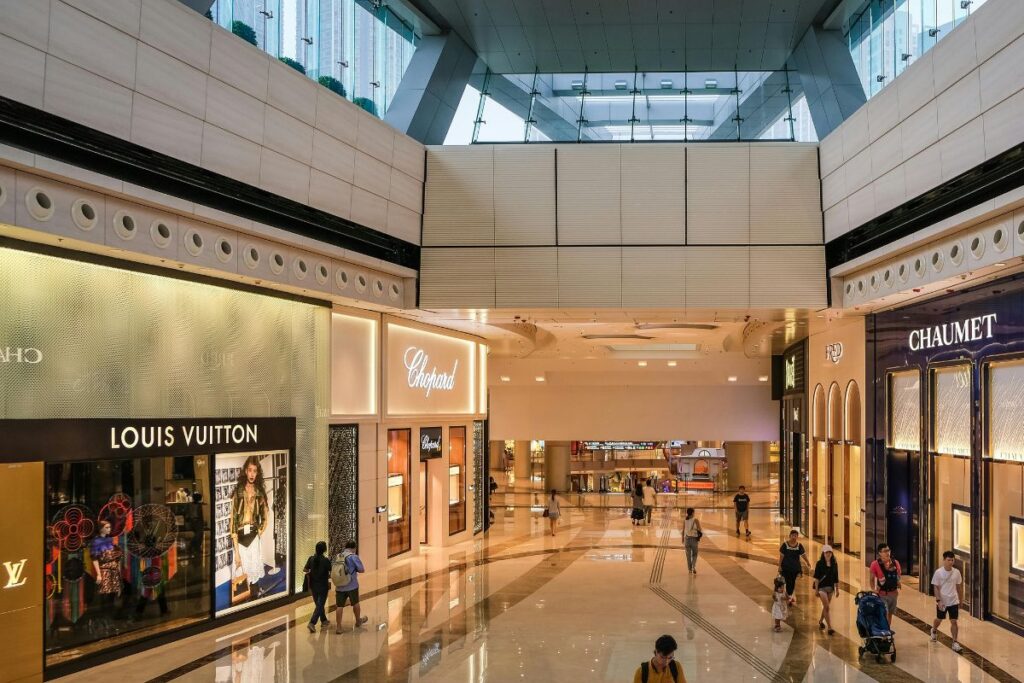
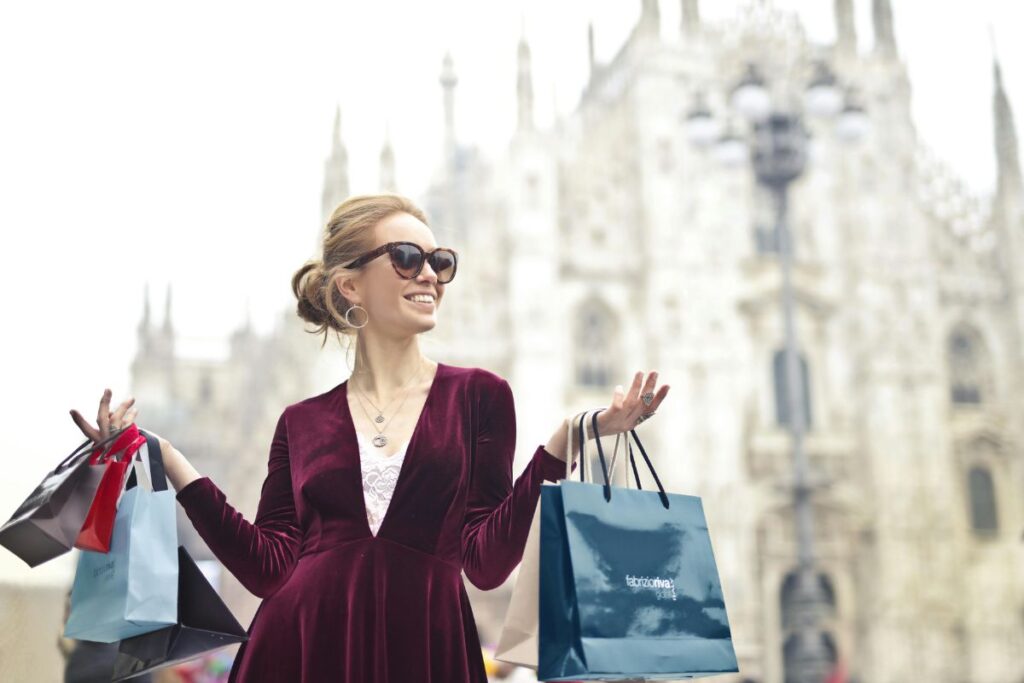
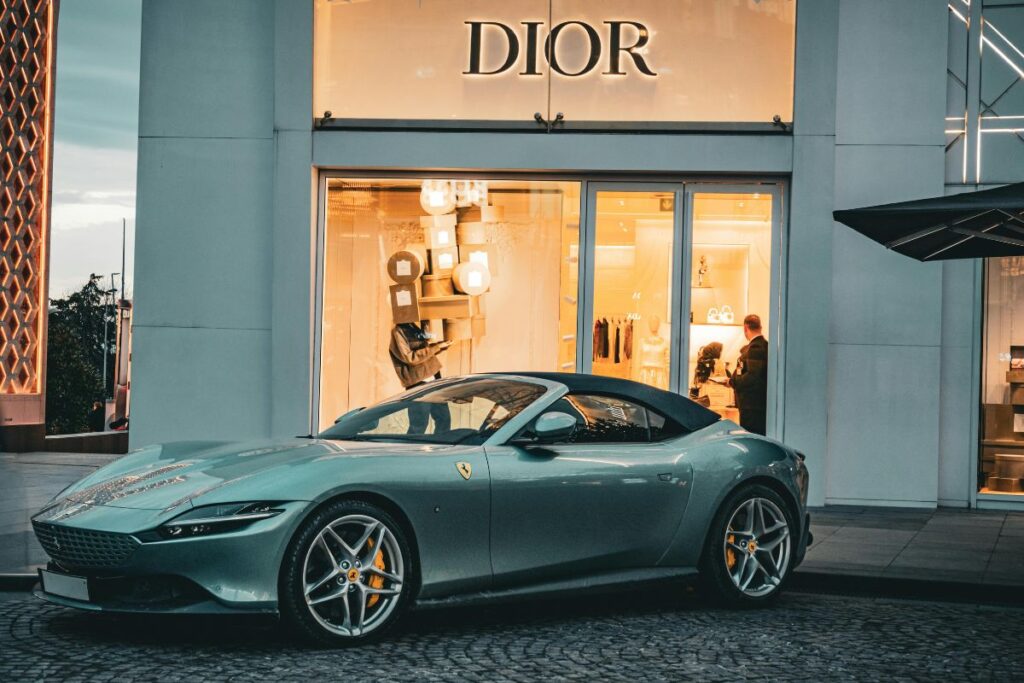
The luxury market has spent the past three years rebalancing in a direction that the major brands saw coming and the broader retail commentary still misreads. Spending on visible goods, the bags, the watches, the branded outerwear, has not collapsed but has stopped growing at the rate it once did.
Luxury spending on experiences, the trip, the residency, the chef’s table, the curated guide, the long stay at a small hotel, has been growing faster than anyone in 2018 would have predicted. The wallet share has shifted, and the proof is no longer the shopping bag carried out of a flagship. It is the ticket stub, the boarding pass, and the dinner reservation.
This is not a wholesale reversal of luxury consumption. The visible goods still sell, and the largest houses still generate most of their margin from leather and watches. What has changed is the marginal pound spent. A customer with an extra fifteen thousand pounds to allocate this year is now more likely to spend it on a multi-day experience than on a single bag. The reasoning is varied, and so are the consequences.
What Drives the Reallocation
The first driver is generational. Younger luxury customers, especially under thirty-five, were already weighted toward experiences before the pandemic forced the market to confirm it. The second driver is photographic. A bag photographs in one moment. An experience photographs in dozens. The social-media calculus of how a purchase compounds in posted content has shifted decisively toward experiences over objects.
The third driver is the experience economy itself. The supply side has caught up to demand. The number of properly luxurious spending experiences available to book has grown faster than the number of newly significant luxury goods. A customer with appetite and budget can now find an itinerary every quarter that genuinely feels like a step up from anything they did two years earlier. The same has not been true on the goods side, where the meaningful step-ups happen more rarely.
How the Goods Brands Are Responding
The big luxury houses have read the shift accurately and have started building experience layers around their existing brands. Hotels carrying the brand name, residencies in specific cities, branded cruises and trains, exclusive dining events tied to the brand calendar. The strategy is not new, but the investment behind it has increased. The houses now treat the experience layer as a serious revenue line rather than as a marketing satellite.
The early returns suggest the bet is correct. Hotels carrying a luxury fashion brand tend to book well above comparable independent properties, and the cross-sell into the goods range remains substantial. The customer who spends a week at the brand hotel often comes home with the brand item, even if that was not the original purpose of the trip.
What the Experience Side Actually Offers
The most reliable purveyors of the experience-driven luxury category have learnt to operate at a level of personalisation that the goods market cannot match. A guide on a multi-day trip in Japan understands that the same itinerary works differently for two different couples. A chef cooking a small private dinner adjusts the menu to the table in front of him in ways that even the best restaurants struggle to replicate at scale. The collection of top luxury spending experiences that any avid traveller would appreciate lists the texture of what the category actually delivers, beyond the brochure language.
The dining end of the experience economy has grown the fastest. The category covered in pieces like the world’s most luxurious dining cruises now operates at a level of culinary specificity that did not exist as a market three years ago. The combination of curated food, controlled itinerary, and quiet luxury surroundings has become its own category, and the brands inside it are scaling up.
How the Customer Mindset Has Shifted
The customer side of the equation has shifted in a way that the brands track more carefully than they discuss publicly. The customer who used to think about luxury as a collection of objects now thinks about it as a portfolio of experiences. Each year is assessed in part by what the customer did during it, not only what they bought. The objects are still part of the picture, but they are no longer the centre of it.
The shift has consequences for brand loyalty. A customer who bought a bag every year was a known quantity. A customer who took a different significant trip every year is harder to predict and harder to retain. The luxury houses know this, which is why the experience layer they build now focuses on retention.
How the Online Conversation Tracks This
The online discussion of luxury experiences has moved in the same direction as discussion in other niches. The richest conversations now happen in smaller, room-based communities rather than on the mass platforms. Closed Discord servers, small Substack newsletters, and private group chats dedicated to specific categories of experience produce the most useful peer-reviewed recommendations.
The pattern of small-room sustained attention recurs across very different content niches. Even in entirely unrelated categories, the sustained-attention model produces value the feed-driven model cannot. The communities that gather at TransRoulette and similar sustained-room platforms hold attention in a way that scrolling does not, even though the topic is completely different. The pattern transfers cleanly. Luxury-experience communities work the same way, with regulars who recognise each other and conversations that compound across months.
What the Next Phase Looks Like
The experience economy will continue to grow. The supply side has more room. The customer appetite is still expanding. The brands that have invested early will continue to widen their lead. The brands that have stayed entirely on the goods side will probably retain their core but will lose ground in the high-spending segment of their existing customer base.
The ticket stub, in this market, has done what the shopping bag used to do. It has become the marker of where the spending actually went. The brands that read it correctly are positioning themselves for the next luxury spending decade.
Images courtesy of unsplash.com, pexels.com and Freepix.com