The Mediterranean does luxury well, though the most interesting destinations rarely rely on appearance alone. Some places continue attracting travellers because they still feel connected to local life beyond the marinas, beach clubs, and private villas. Harbour towns remain active long after summer crowds thin out, markets continue serving residents each morning, and historic streets still function as part of daily life.
For travellers seeking a more refined Mediterranean escape, these destinations offer coastal scenery, historic character, and luxury stays that still feel connected to their surroundings.
Exclusive Waterfront Living in Porto Heli and Kilada
Porto Heli, on Greece’s Peloponnese coast, has developed into one of the region’s more discreet luxury destinations. The waterfront road near the marina stays active throughout the summer, with sailing boats moving in and out from early morning. Around the harbour, locals still gather near the fish market while water taxis cross toward Spetses. A short drive inland passes olive groves and low hills before reaching quieter bays near Hinitsa and Ververonda.
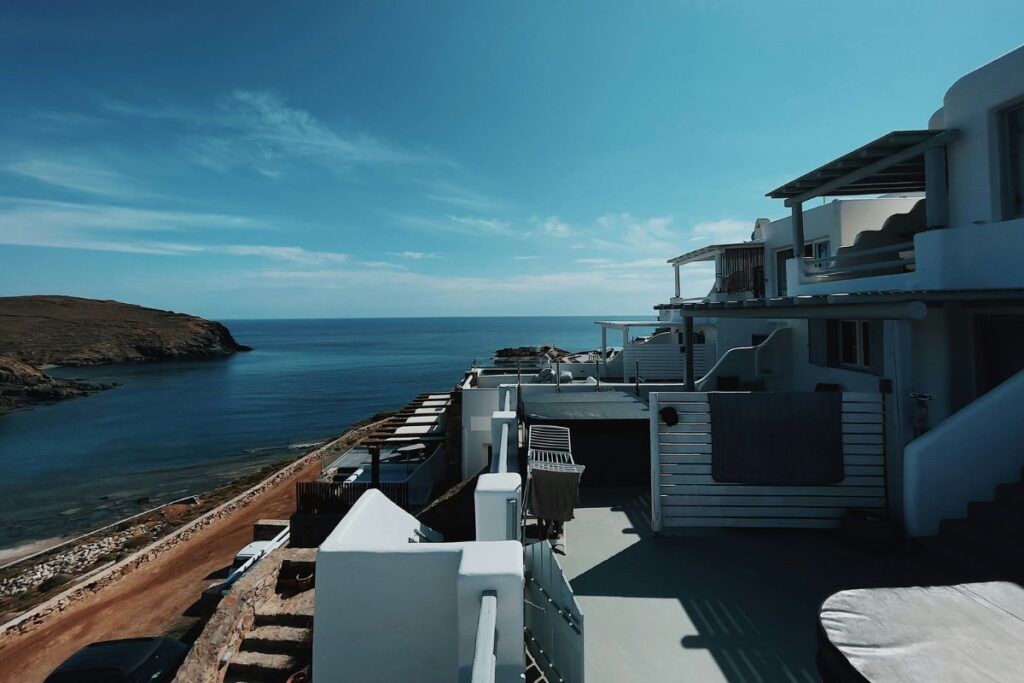
Some upscale travellers prefer to find Porto Heli villas in the Kilada area, particularly near the newer golf development and the coastline overlooking the Argolic Gulf. Although the area has seen significant investment in recent years, Kilada still retains much of its working harbour character. Small fishing boats continue to sit alongside larger yachts in the marina, while seafood suppliers unload the morning catch directly onto the quay.
Many villas are positioned above quiet coves with direct sea access, and on clearer days the views can stretch across the water towards Hydra. The road toward Ermioni passes roadside fruit stalls and small chapels overlooking the water. Nearby, the Franchthi Cave remains one of the oldest known prehistoric sites in Greece, though many visitors overlook it completely.
Secluded Coastal Luxury in Taormina, Sicily
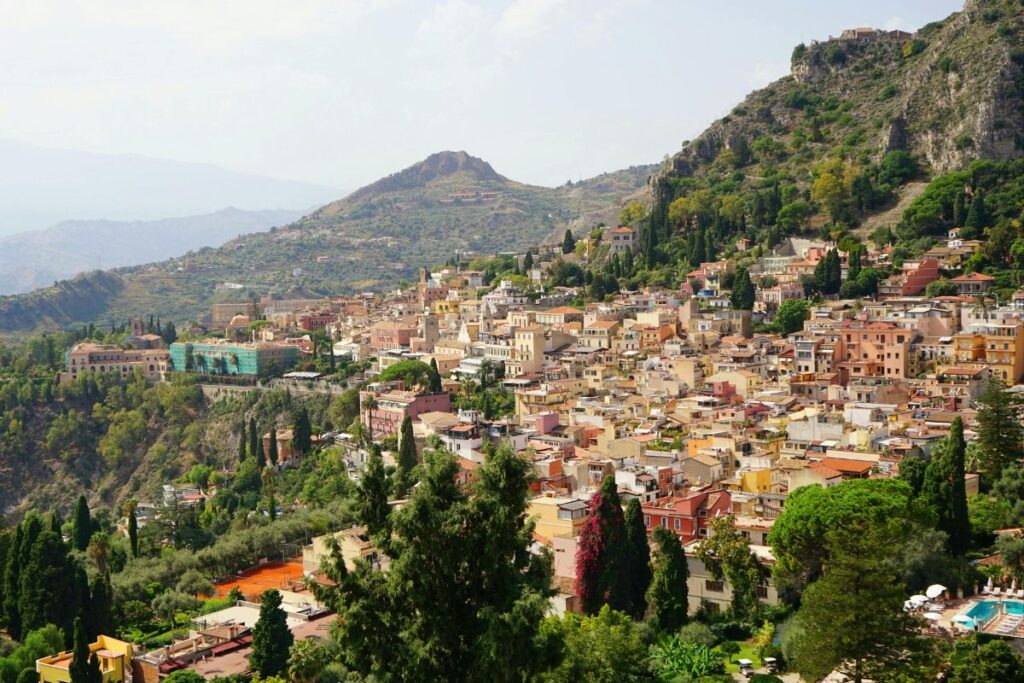
Taormina gets busy throughout the summer, especially along Corso Umberto between Porta Messina and Piazza IX Aprile. Even so, quieter corners still exist once visitors move beyond the main terraces. Early mornings around Via Teatro Greco feel completely different before day-trippers arrive from Catania and Messina. Laundry hangs from balconies above narrow staircases, while delivery scooters squeeze through streets barely wide enough for pedestrians.
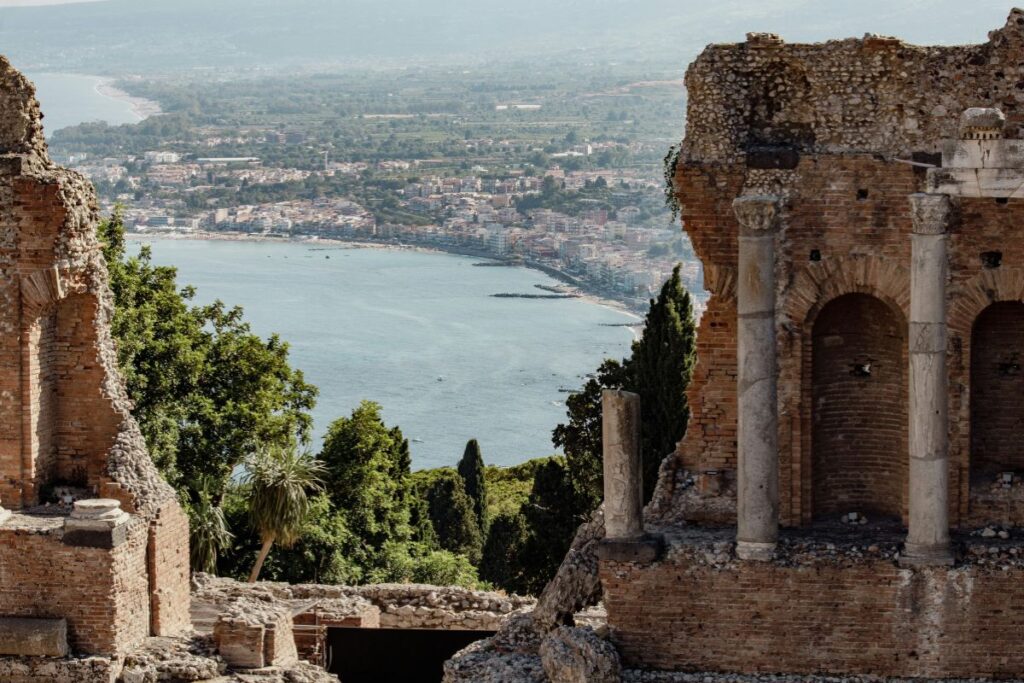
Below town, Mazzarò and Isola Bella pull people toward the coast. The cable car down from Taormina climbs above rocky cliffs and umbrella pines before reaching the waterfront. Around Isola Bella, swimmers cross shallow water to the tiny island during calmer tides. Pebble beaches continue south toward Giardini Naxos, where the promenade stays lively well into the evening.
The Greek Theatre still dominates the town visually, particularly near sunset when Mount Etna becomes visible beyond the stage ruins. Small artisan shops continue along Via Naumachia and nearby alleyways, selling ceramics and embroidered linen made within the region. Taormina can feel polished in parts, though daily Sicilian life still appears constantly around the edges of the tourist centre.
Seamless Travel Logistics in Saint-Tropez
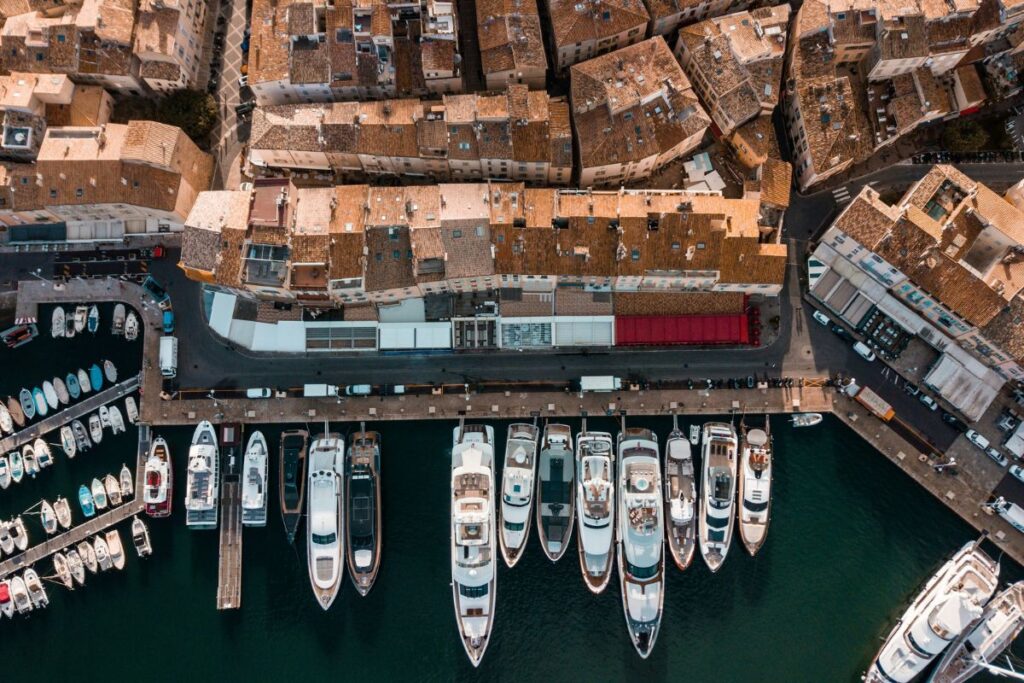
Saint-Tropez operates with surprising efficiency considering the number of yachts, tenders, scooters, and delivery vans moving through the port each day. Around Vieux Port, crews clean decks before sunrise while market traders prepare stalls at Place des Lices. By late morning, narrow streets around Rue Gambetta and Rue François Sibilli fill quickly with visitors heading toward the harbour.
Travellers arriving in Saint-Tropez as part of longer Mediterranean itineraries sometimes need to get travel insurance while already overseas before continuing to destinations such as Sardinia, Corsica, or the Balearic Islands. This is particularly common during peak season, when yacht charters, private sailing trips, and last-minute itinerary changes often lead people to extend their travels beyond their original plans. Insurance providers offering already departed cover can be especially useful in these situations, particularly for travellers adding new destinations or activities after the trip has already begun.
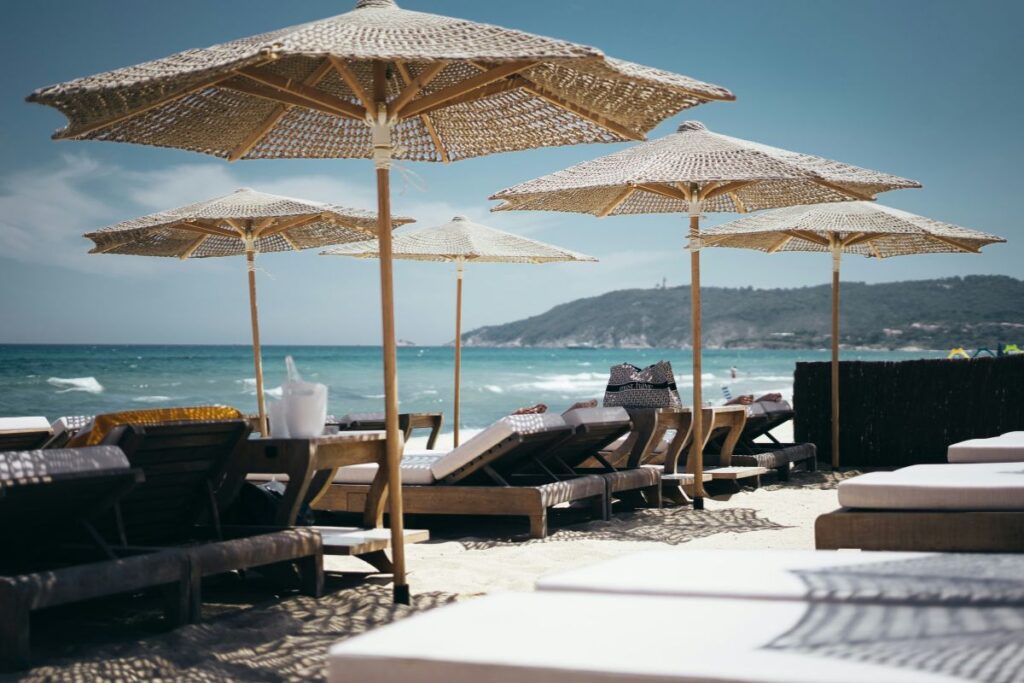
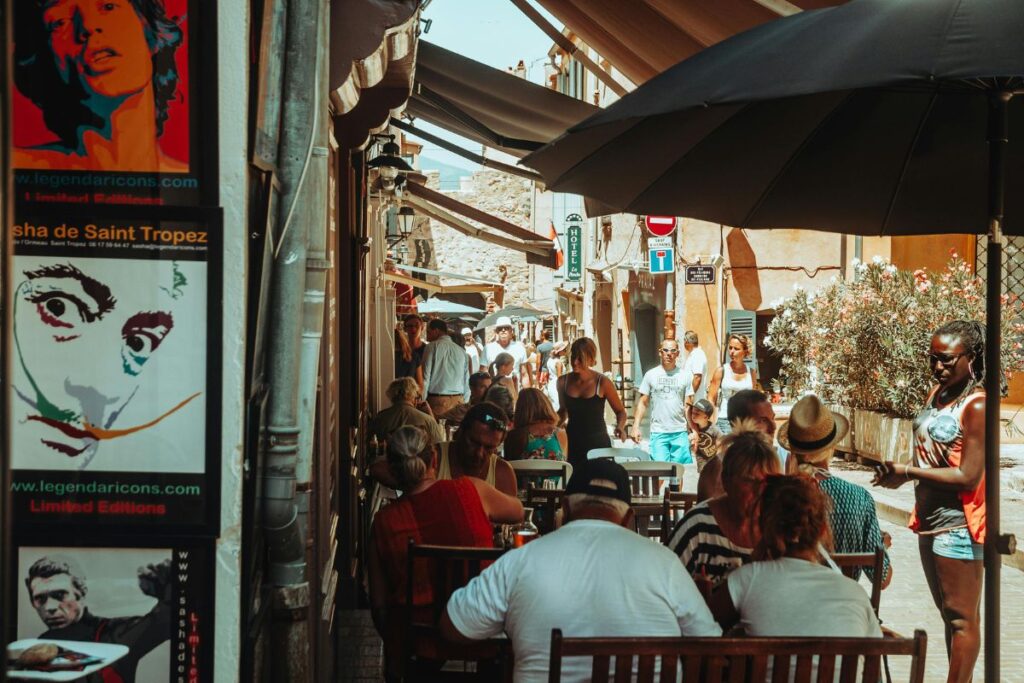
Away from the marina, the Citadel above town provides some of the best views across the gulf. The walk uphill passes pale-coloured houses with shuttered windows and quiet residential corners that many visitors never reach. Pampelonne Beach sits outside town near Ramatuelle, though smaller coastal paths near Cap Camarat have quieter stretches of coastline and older lighthouse viewpoints.
Boutique Charm and Azure Waters in Menorca
Menorca feels noticeably calmer than Mallorca or Ibiza, particularly around the old quarter of Ciutadella. Narrow streets near Plaça des Born still follow their medieval layout, with sandstone buildings catching the late afternoon light across the harbour steps. Small produce markets continue near Carrer des Seminari, where locals shop for Mahón cheese, cured meats, and fresh pastries during the morning.
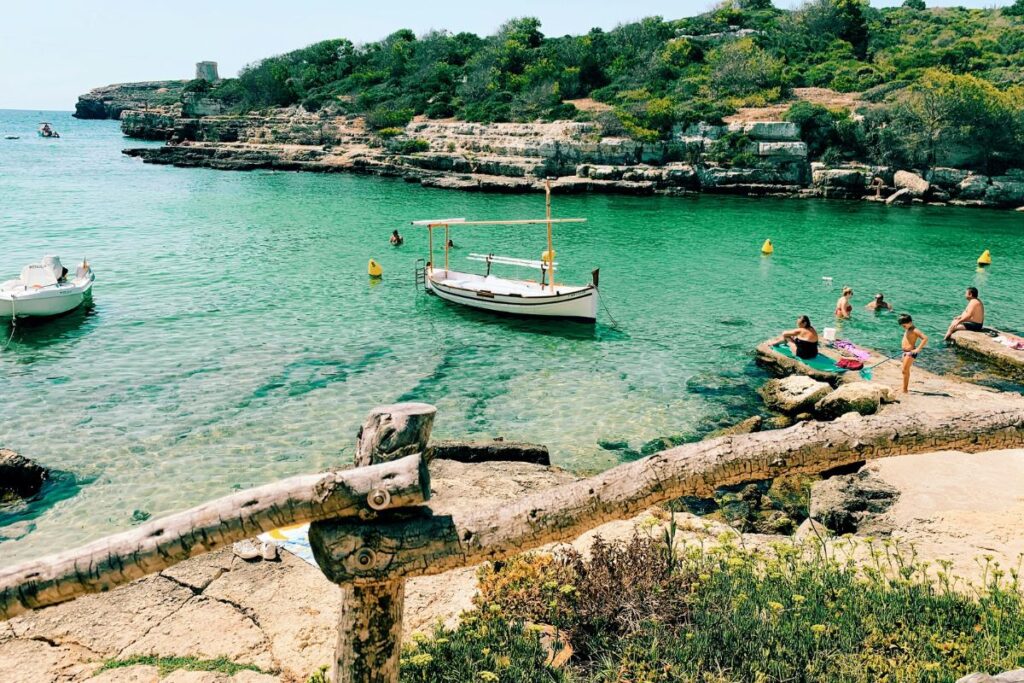
The island’s southern coastline holds many of its best-known coves. Cala Macarella and Cala Mitjana attract large crowds through summer, though smaller beaches near Binigaus and Es Talaier stay quieter outside weekends. Pine forests stretch close to the shoreline in many areas, and walking sections of the Camí de Cavalls coastal trail reveals old stone walls, grazing horses, and small agricultural plots hidden inland.
Mahón offers a completely different atmosphere from Ciutadella. The natural harbour cuts deeply into the coastline, with apartment blocks and Georgian-era buildings rising above the waterfront. Around Mercat des Peix, residents stop for seafood lunches while ferries move steadily through the harbour entrance.
Sophisticated Island Retreats in Hvar, Croatia
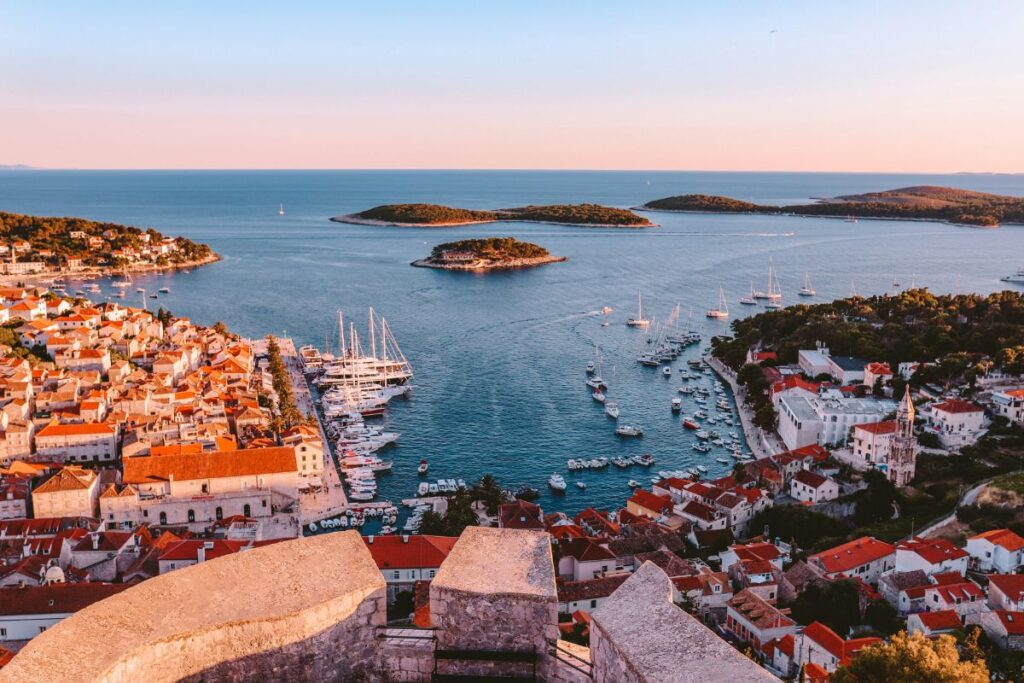
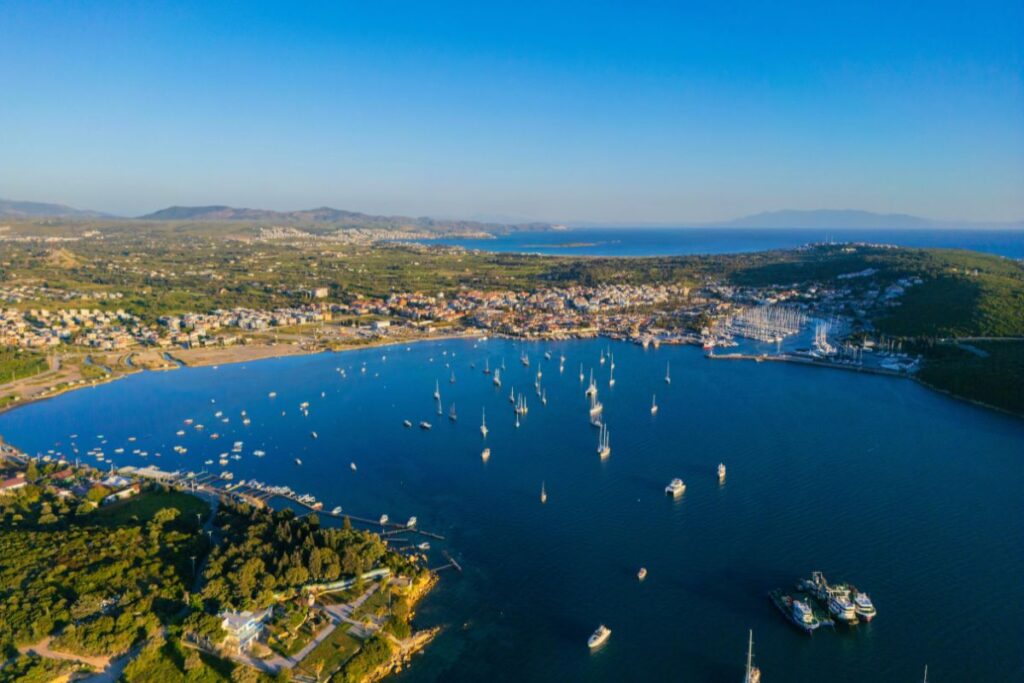
Hvar Town has become one of Croatia’s most polished island destinations, and much of its appeal still comes from the older stone buildings and waterfront setting that existed long before luxury tourism arrived. Around the harbour, superyachts line the marina through summer while guests move between private boats, boutique hotels, and restored villas hidden within the backstreets near St Stephen’s Square. Many high-end properties now occupy former aristocratic residences with terraces overlooking the Adriatic.
The quieter side of Hvar appears beyond the main promenade. Residential lanes behind the cathedral lead uphill toward secluded guesthouses and small luxury retreats built into centuries-old stone homes. Several villas near the Pakleni-facing coastline include private docks and direct sea access, particularly around quieter areas outside the town centre. The walk toward the Spanish Fortress passes shaded staircases and old defensive walls with wide views across the islands.
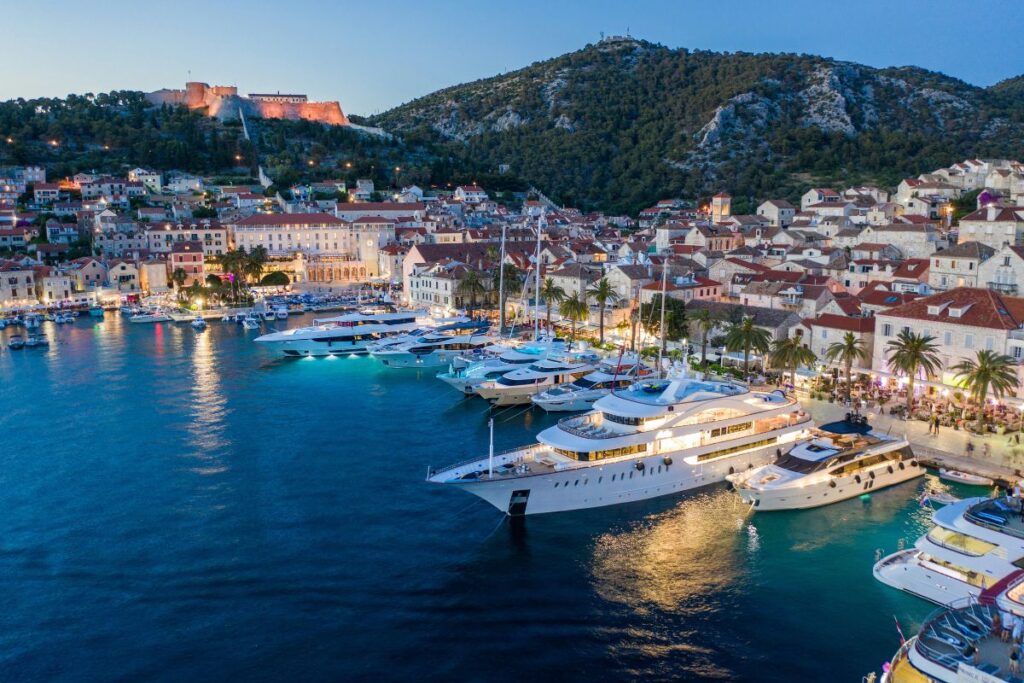
Further west, villages near Milna and Zavala attract travellers looking for more privacy away from the marina crowds. Inland roads cut through olive groves, lavender fields, and vineyards that still operate across the island today. Even with Hvar’s reputation for luxury travel, daily island life remains visible almost everywhere.
Which Mediterranean location tops your list?
The Mediterranean does luxury well, though the most interesting destinations rarely rely on appearance alone. In Porto Heli, daily life still revolves around the waterfront and nearby fishing harbours. Taormina carries layers of Greek, Roman, and Sicilian history across its hilltop streets. Saint-Tropez fills with yachts every summer, though the old town remains remarkably intact once the crowds thin out in the evening. Menorca keeps things understated with small harbour cities and protected beaches, while Hvar blends Adriatic island life with high-end tourism that has grown steadily over the last decade. Together, these destinations highlight different sides of luxury travel in the Mediterranean, each with its own character and atmosphere.
Images courtesy of unsplash.com and pexels.com