Estate agents talk about curb appeal. Surveyors mention outdoor space. Buyers walk through the house and then spend ten minutes looking at the garden through the patio doors.
Your garden affects what people will pay for your home more than most sellers realise. Not just whether it looks tidy, but whether it works as usable space. The difference between a basic garden and a well-designed one can shift your sale price by thousands, sometimes tens of thousands.
The upgrades that add most value are not the ones that look impressive in photos. They are the ones that solve problems buyers notice during viewings. Poor drainage. No privacy. Nowhere to sit. A lawn that is mostly mud. These issues create objections that delay sales or reduce offers.
Smart upgrades remove these objections and create desire. They turn a garden from something buyers tolerate into something they actively want. The work often pays for itself several times over when you sell. Firms specialising in professional landscaping in Glasgow report that well-executed garden projects typically return 150 to 200 per cent of their cost in added property value, particularly when they address structural issues like drainage, boundaries, and outdoor living spaces rather than just cosmetic improvements.
Here is what actually moves the needle.
Quality Hard Landscaping Commands Premium Prices
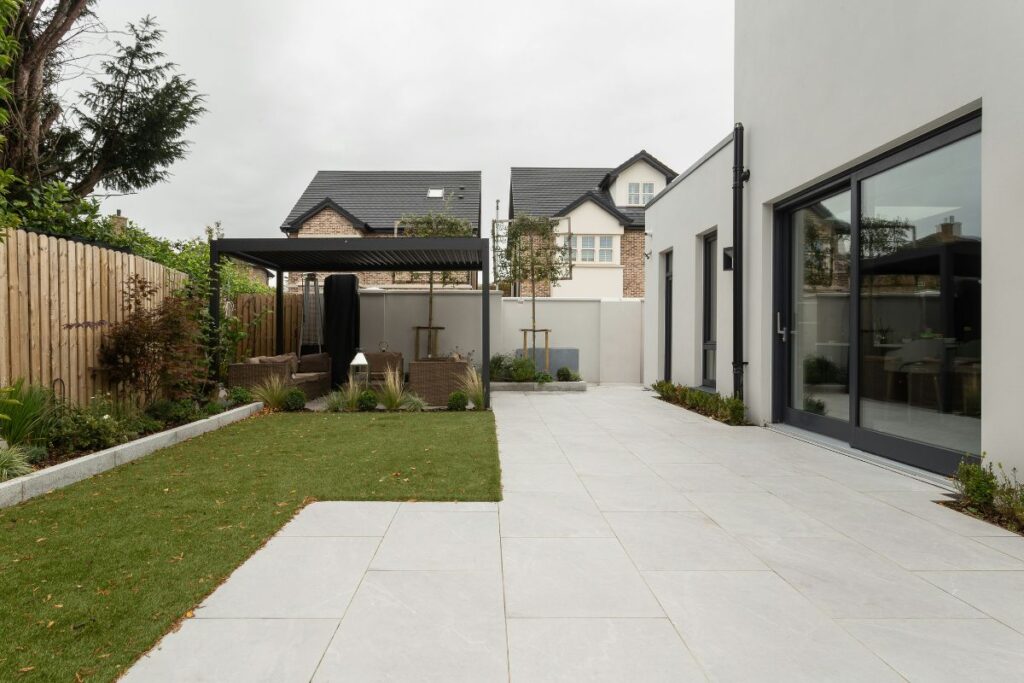
Buyers judge material quality instantly. They might not know the difference between porcelain and concrete slabs when you tell them, but they can see it when they walk across your patio.
Cheap materials signal that corners were cut throughout the property. Quality materials suggest attention to detail everywhere. This perception affects the entire valuation, not just the garden.
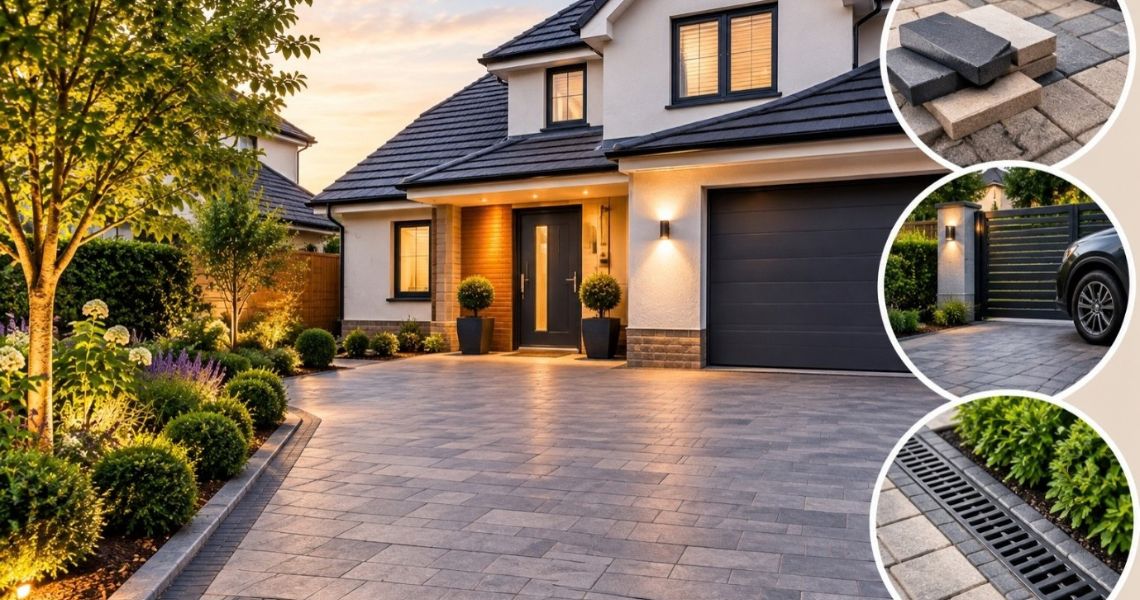
Porcelain paving has replaced natural stone as the premium choice for many buyers. It costs less than high-end stone, looks sophisticated, requires minimal maintenance, and lasts decades without staining or fading. These practical benefits matter to buyers who want outdoor space but lack time for upkeep.
Composite decking follows the same logic. Timber decks need annual treatment and replacement every ten to fifteen years. Composite lasts 25 years with no maintenance beyond occasional cleaning. Buyers price in these ongoing costs when making offers. A composite deck adds more value than timber despite the higher installation cost.
The quality extends to details. Neat edges, proper falls for drainage, level surfaces. Buyers notice wonky paving even if they cannot articulate why the space feels wrong. Poor installation creates doubt about the rest of the property.
According to research from the Royal Horticultural Society, homes with professionally installed hard landscaping sell 12 per cent faster than comparable properties with DIY or poorly executed outdoor spaces. Speed of sale often matters as much as final price.
Outdoor Living Spaces Justify Higher Asking Prices
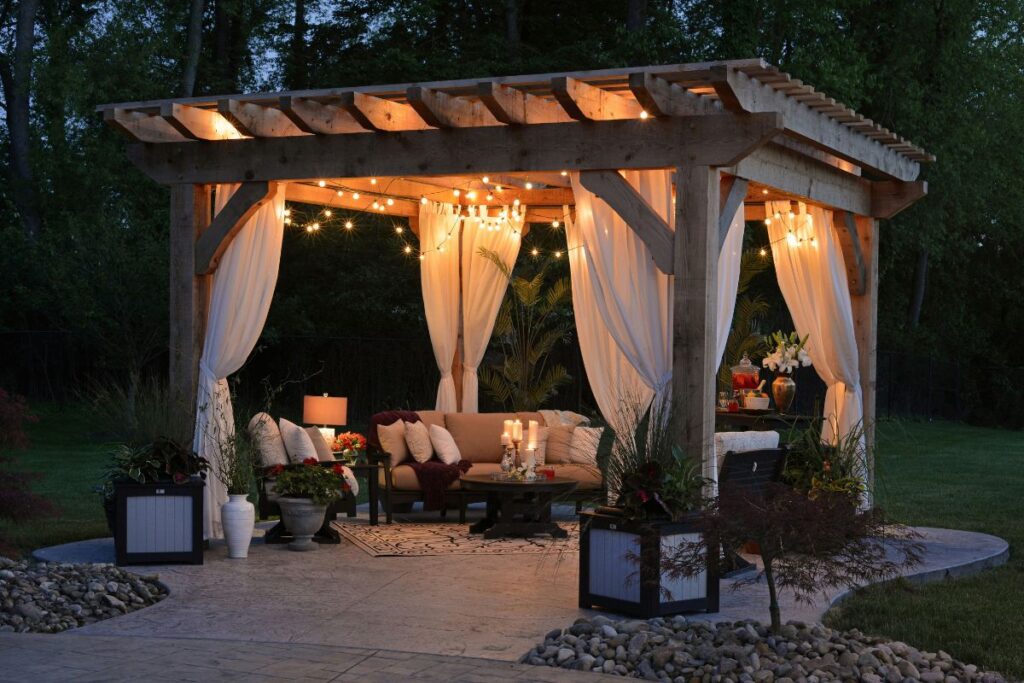
A patio with two plastic chairs is not an outdoor living space. It is a patio with two plastic chairs.
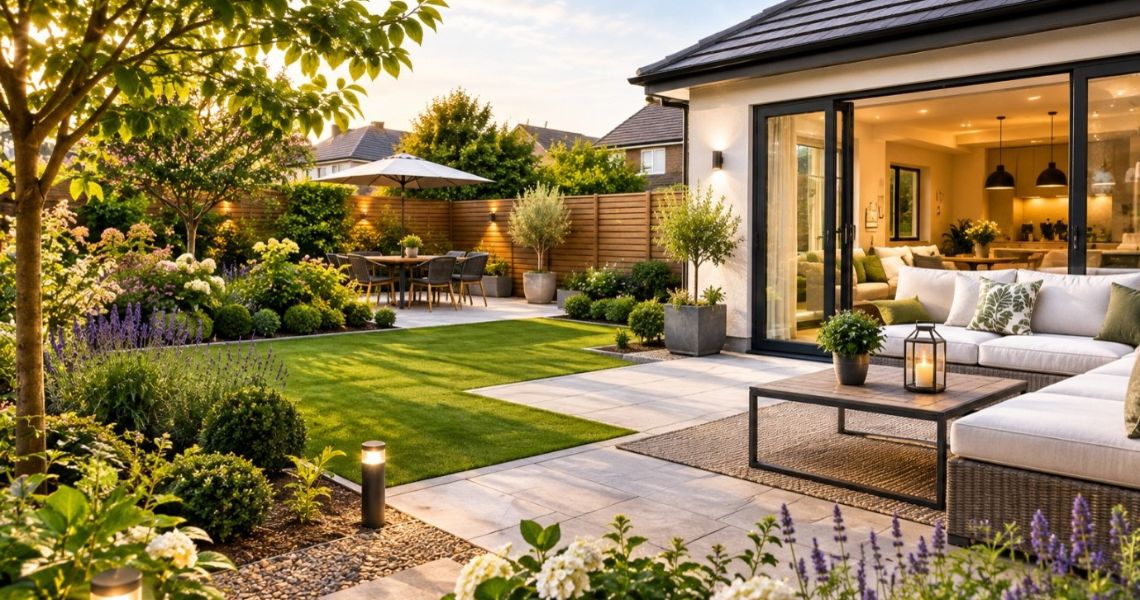
An outdoor living space has comfortable seating, weather protection, heating for cool evenings, and lighting that works after dark. It functions as an extension of the house rather than just garden access.
Buyers imagine their lives in your home. An outdoor room that looks ready to use triggers that imagination more effectively than empty paving. They picture summer dinners, morning coffee, entertaining friends. These emotional connections drive higher offers.
A pergola or covered area adds significant value because it extends usability. British weather means outdoor space without shelter gets used perhaps 30 days a year. Add a roof and that number doubles or triples. Buyers recognise this even if they do not consciously calculate it.
Built-in seating, outdoor kitchens, and fire pits all increase appeal. These features cost money but they also differentiate your property from others on the market. In competitive areas, differentiation matters as much as price.
The key is making the space look finished and intentional rather than assembled from random furniture. Buyers respond to cohesive design that suggests the garden received the same consideration as the interior.
Privacy Solutions Remove Major Objections
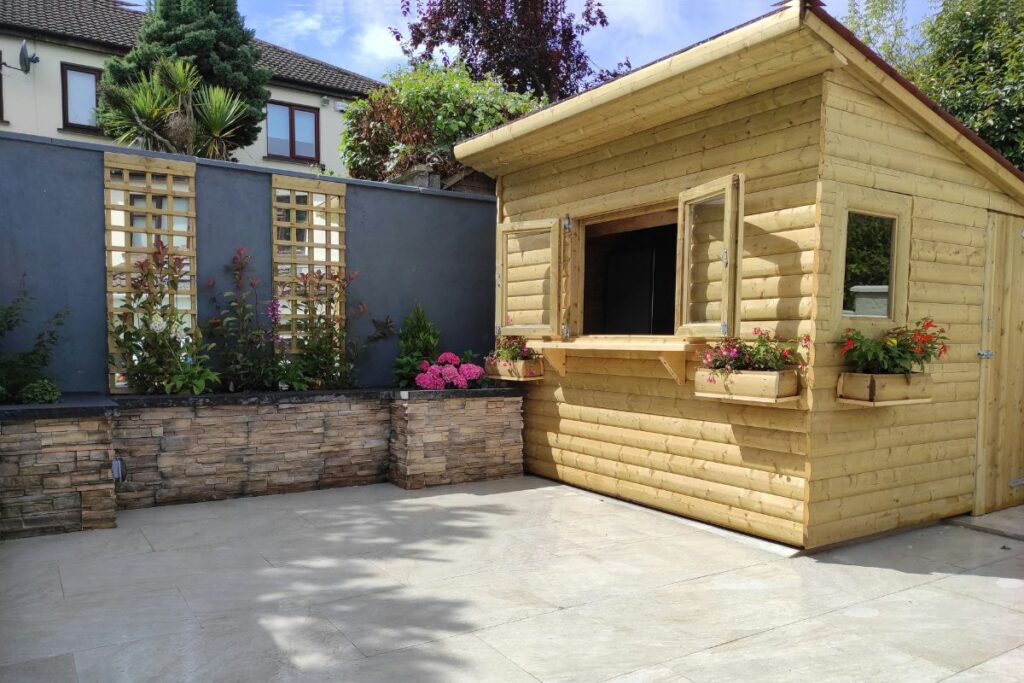
Overlooked gardens kill sales. Buyers walk into the garden, notice neighbouring windows looking down, and immediately lose interest in using the space.
You cannot change what surrounds your property. You can control what screens it.
Mature hedging provides the most natural privacy. Box, yew, hornbeam, and beech all create dense screens that improve rather than detract from property appearance. The disadvantage is time. Instant hedging costs serious money and still takes a year to establish properly.
Fencing offers immediate privacy but quality matters enormously. Panel fencing looks cheap and blows down in wind. Proper timber fencing with concrete posts, treated rails, and quality boards lasts decades and adds value. The cost difference is a few hundred pounds. The perceived value difference is several thousand.
Trellis with climbing plants combines the benefits of both. It provides partial screening immediately and full coverage within a year or two as plants establish. Evergreen climbers like ivy or star jasmine maintain coverage year round.

Strategic tree planting blocks specific sightlines without enclosing the entire garden. One well-placed tree can obscure a problem window while maintaining openness elsewhere. This requires understanding angles and mature size, which is why it benefits from professional input.
Privacy improvements work because they remove a major buyer objection. The difference between “lovely house but the garden is too overlooked” and “lovely house with a private garden” changes negotiating positions substantially.
Proper Drainage Prevents Deal-Breaking Issues
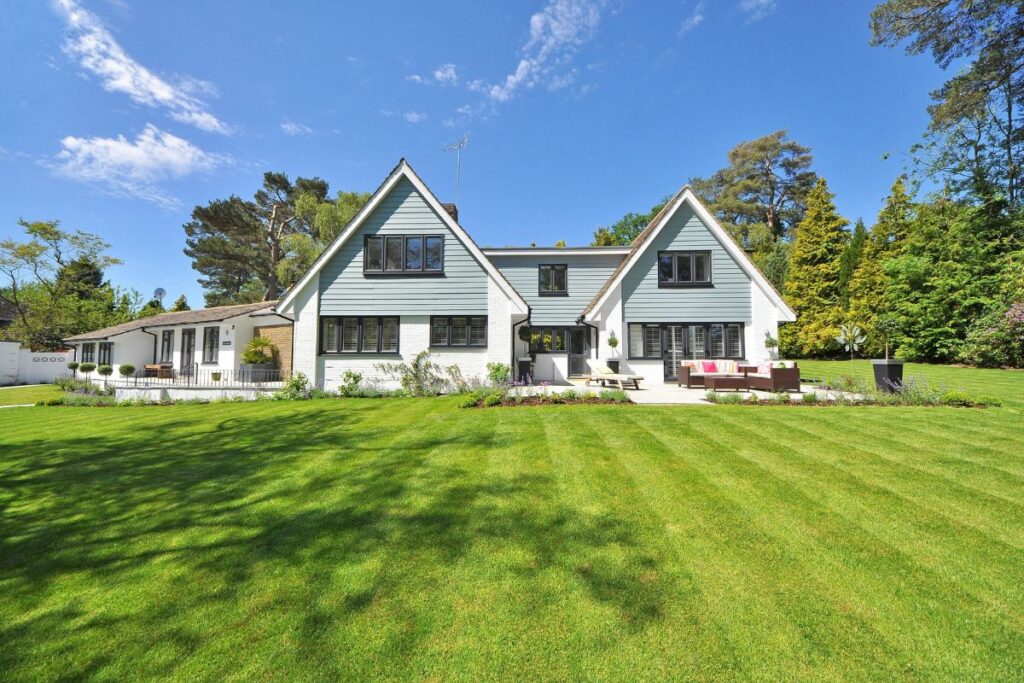
Standing water after rain seems minor until a surveyor spots it.
Poor drainage raises concerns about foundations, damp, and structural integrity. These concerns reduce offers or kill sales entirely. Banks hesitate to lend on properties with drainage issues. Buyers who do proceed demand hefty reductions to cover potential future costs.
Fixing drainage costs less than dealing with its consequences. French drains, soakaways, proper paving falls, and permeable surfaces all solve waterlogging without major disruption.
The most valuable drainage improvements are the ones buyers never notice because they work invisibly. Water runs off paving properly. Lawns stay usable after rain. Borders do not turn into swamps. The garden functions rather than fails.
Drainage connects to other value-adding features. A patio with standing water is worthless. The same patio with perfect drainage becomes a selling point. The drainage enables the value, even though buyers focus on the patio itself.
Low Maintenance Gardens Appeal to Time-Poor Buyers
Most buyers want a garden. Few want garden work.
This creates demand for outdoor spaces that look good without constant attention. The market for high-maintenance gardens exists but it is small and specialised.
Artificial grass has lost its cheap reputation. Modern products look realistic, drain perfectly, and eliminate mowing forever. For families with children or buyers who travel frequently, this appeals enormously. The cost seems high until you consider years of lawn care avoided.
Automated irrigation extends plant survival during holidays and heatwaves. A few hundred pounds of equipment prevents thousands in replacement plants and creates peace of mind buyers value.
Perennial planting over bedding plants reduces ongoing work. Shrubs and grasses that look good year round with minimal intervention suit most buyers better than borders requiring constant deadheading and replanting.
The maintenance requirement affects buyer psychology in ways that impact valuations. A garden that needs weekly attention limits who will bid. A garden that needs monthly attention broadens your buyer pool significantly. Broader buyer pools drive higher prices through competition.
Boundaries That Actually Work
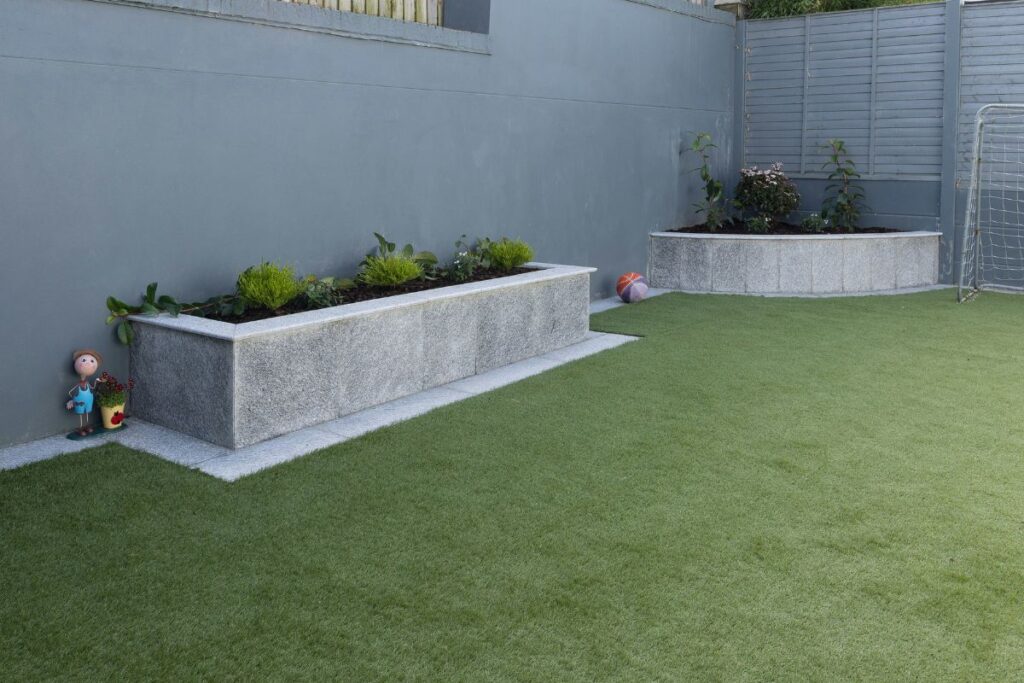
Broken fences, gaps in hedges, unclear property lines. These small issues create big concerns during the buying process.
Buyers worry about boundary disputes. Solicitors delay completion to resolve uncertainties. Sellers face unexpected costs fixing issues that have existed for years but suddenly matter.
Replacing or repairing boundaries before listing prevents these problems. Good fences and walls also improve security and privacy, adding value beyond just removing obstacles.
The work often costs less than the delays and complications it prevents. A £2,000 fence replacement seems expensive until a sale falls through over boundary disputes and you relist at a lower price.
Material choice affects value differently than interior work. Outside, visible quality matters more than hidden specifications. A fence that looks solid and well-built adds more value than one that meets building regulations but appears flimsy.
Lighting Extends Functionality and Improves Security
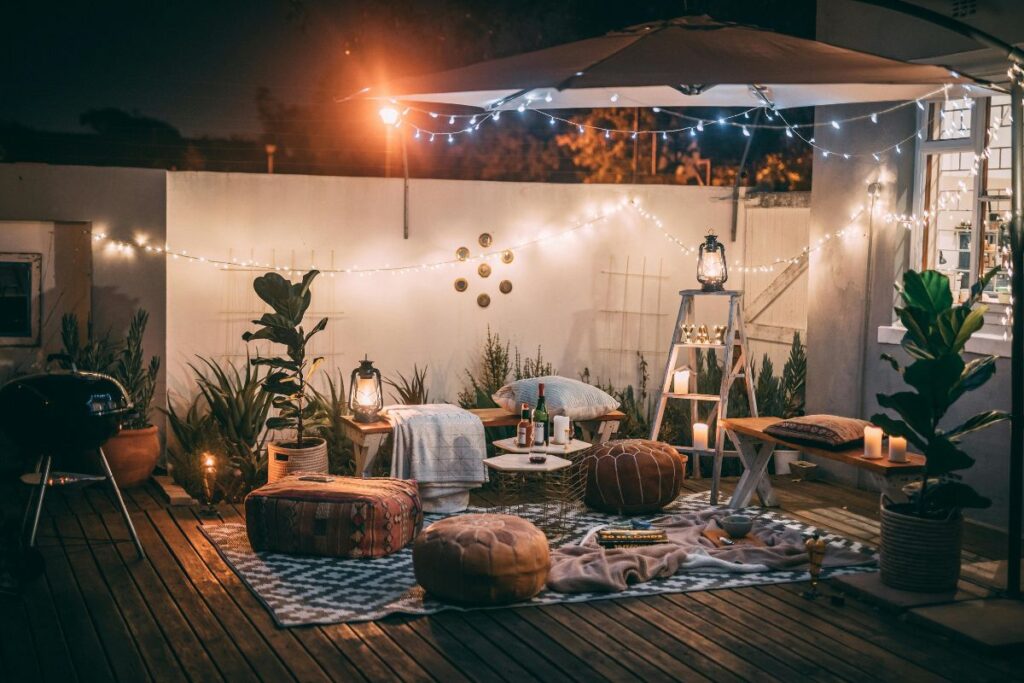
Garden lighting transforms how buyers perceive outdoor space. An unlit garden is somewhere you look at during the day. A well-lit garden is somewhere you use after work, during winter, at weekends.
This perceived functionality adds value because it increases the effective living space. Buyers mentally expand the property to include outdoor areas that work year round rather than just summer afternoons.
Security lighting adds practical value. Well-lit gardens deter intruders and reduce insurance risks. Some insurers offer discounts for adequate external lighting.
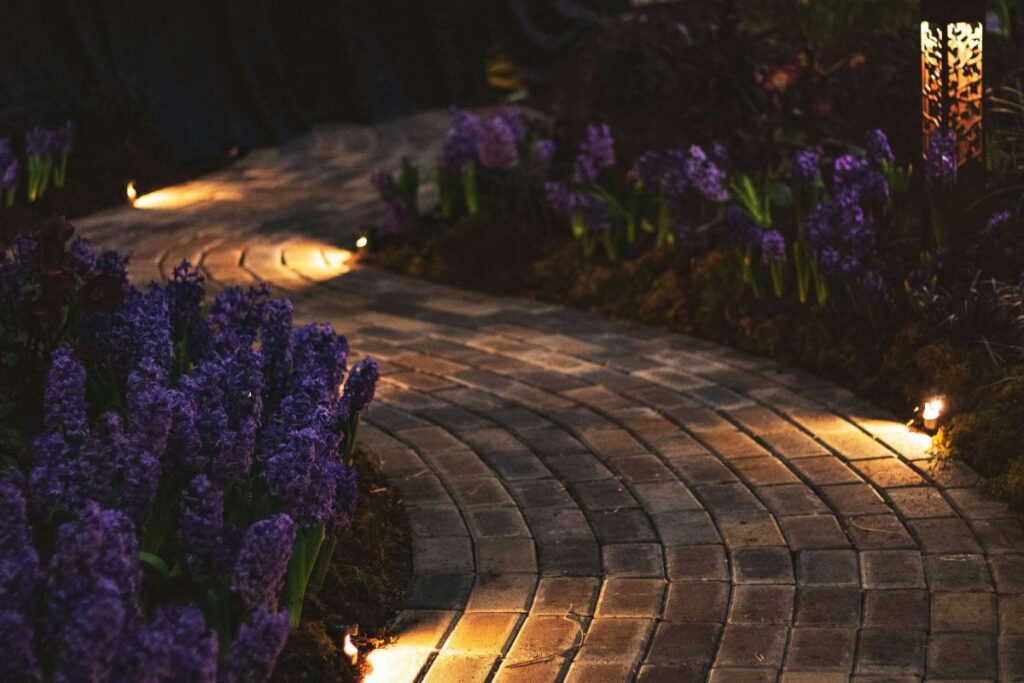
The lighting itself need not be elaborate. Path lights preventing trips, wall lights for ambience, spotlights highlighting features. Even basic installations make spaces feel more finished and considered.
LED systems cost little to run and last years without bulb changes. This ongoing cost saving appeals to buyers focused on running expenses.
The Return on Investment Reality
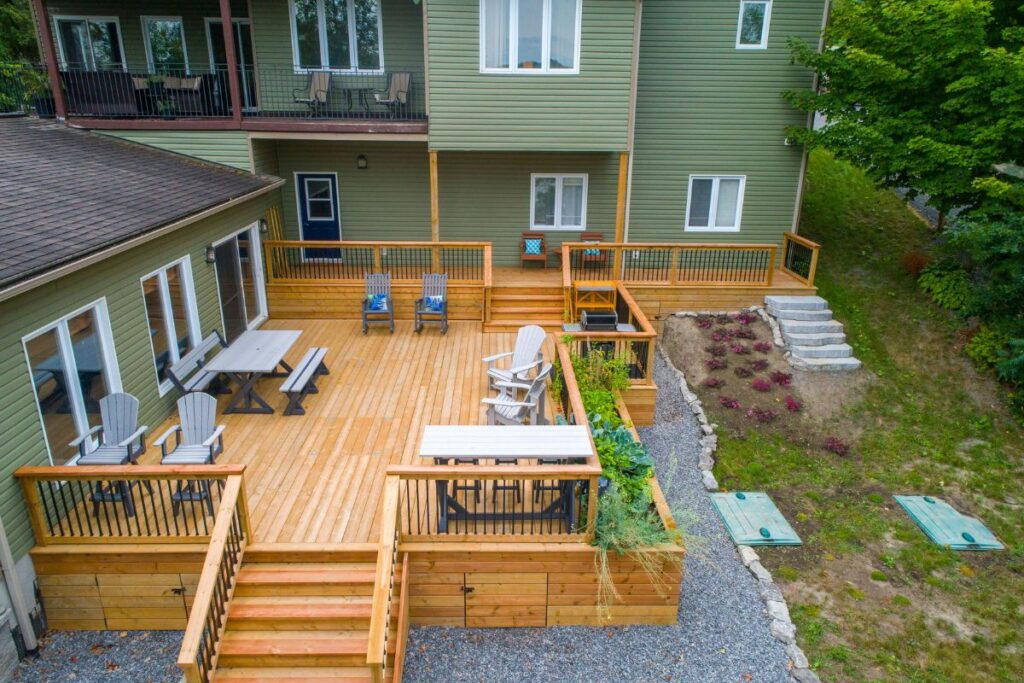
Not every garden upgrade delivers the same return. Some recover 200 per cent of their cost. Others barely break even.
The highest returns come from fixing problems rather than adding features. Drainage, boundaries, and basic functionality recover more than swimming pools, elaborate water features, or expensive specimen plants.
Location affects returns significantly. In areas where gardens are rare or small, outdoor space commands premiums. In areas where large gardens are standard, elaborate landscaping adds less value.
Timing matters too. Improvements made years before selling have time to mature and establish. Rush jobs six weeks before listing look exactly like rush jobs.
Professional installation consistently outperforms DIY on value added. The difference in finish quality signals to buyers that the entire property has been maintained properly. Poor DIY landscaping raises concerns about hidden DIY plumbing and electrics.
Getting It Right
Garden improvements add value when they solve problems buyers notice and create spaces buyers want to use. The work should look professional, function properly, and require minimal ongoing maintenance.
Some projects suit DIY. Planting, basic maintenance, cosmetic updates. Others benefit from professional expertise. Anything involving drainage, structures, or permanent hard landscaping needs proper design and installation to deliver maximum value.
The goal is not creating a show garden. It is removing objections and adding appeal to broaden your buyer pool and strengthen your negotiating position when you sell.
Your garden affects your property value whether you invest in it or not. The question is whether that effect is positive or negative.
Images courtesy of unsplash.com, Freepix and pexels.com