Solo travel can be intimidating, but for many Brits it’s become the most empowering way to explore the world. As peak travel planning season begins, Impact Explorers shares expert advice to help travellers embrace the journey – solo
The growth of solo travel is increasingly shaping how people explore the world. Recent industry data from Skyscanner shows that the use of the ‘solo traveller’ search filter jumped by 83% year on-year, indicating a significant rise in the demand for solo travel in 2026.[1]
Independent travellers aren’t always just looking for a holiday by the pool. Whether it’s gap year backpackers, those on career breaks, or those looking for self-discovery after a tough break up, most travellers considering a solo adventure are seeking connection, learning opportunities, and exploration.
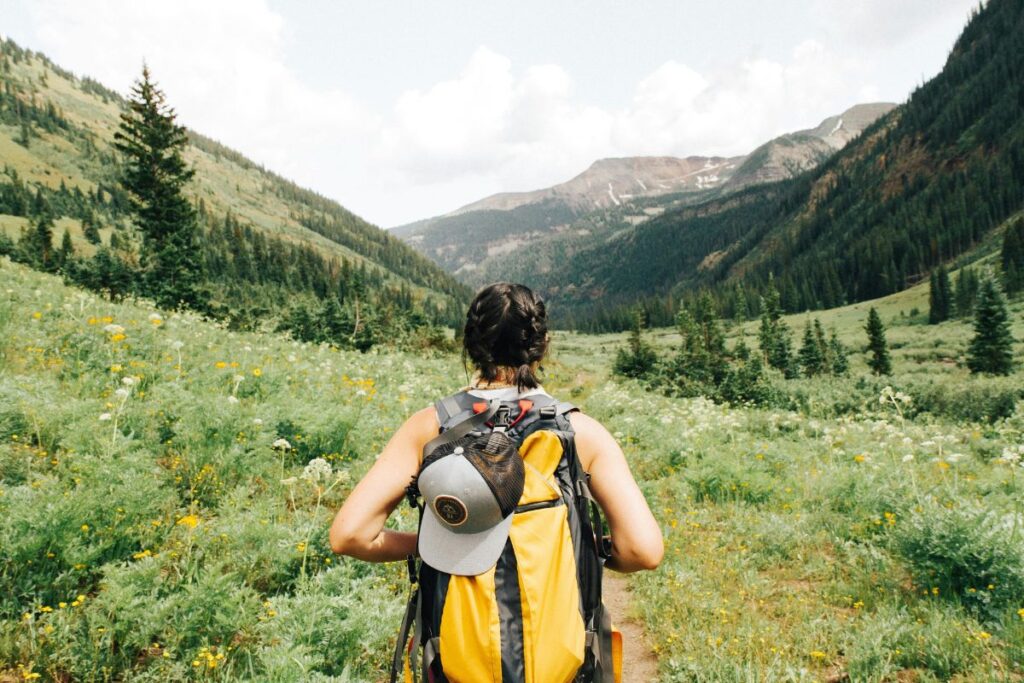
With social media platforms full of viral solo travel exploits and beach selfies, creating a longing to experience crystal blue oceans in Bali or lush hiking trails in New Zealand, it can be tempting to adopt a ‘YOLO’ mindset and jet off to the other side of the world, but many of us will likely have a number of reservations before clicking the ‘book’ button.
Saurabh Sabharwal, travel expert and head of global learning travel brands, Impact Explorers and Volunteering Solutions, says: “We have spoken to thousands of solo travellers over the years who are looking to add deeper purpose to their travels alongside seeing new sites and enjoying some downtime, and the biggest reasons people are put off the idea of solo travelling is because they are unprepared, don’t know what to expect, or both.”
If you’re considering a solo adventure but are unsure of what it may entail, read on for insider tips, recommendations and insights from Impact Explorer solo travel expert, Saurabh, to demystify the experience and put your mind at rest so you can focus on booking the trip of a lifetime…
Pre-travel preparation
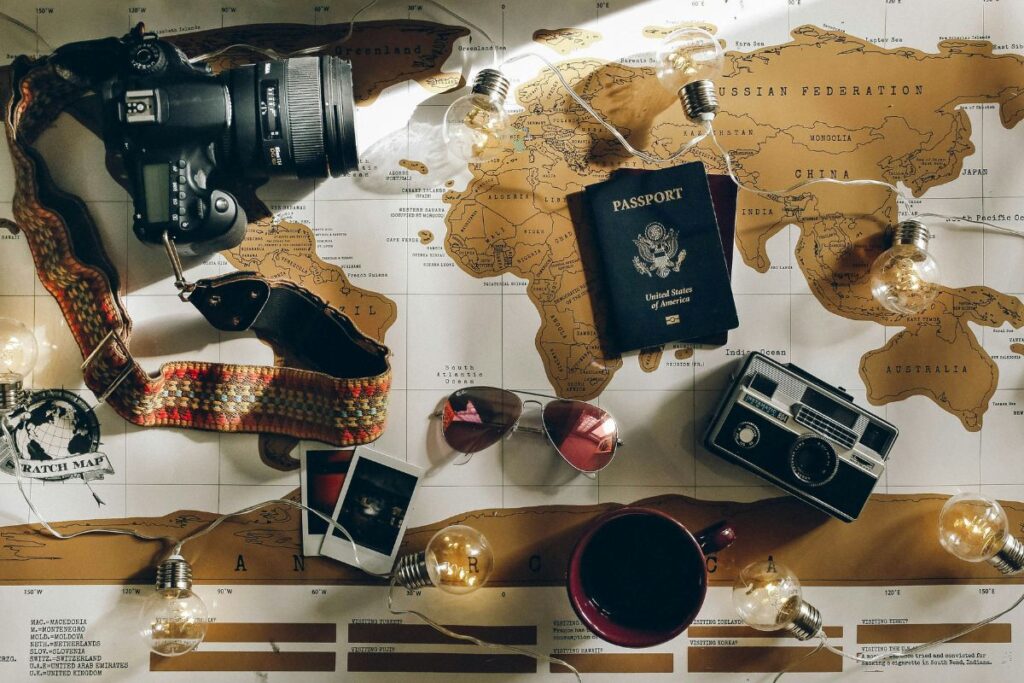
Pre-travel preparation is a critical part of any solo travel experience, and getting the basics right can make the difference between a smooth journey and unnecessary stress.
Check passport validity well in advance, understand visa requirements, and keep digital and physical copies of key documents.
Duolingo is a great tool to make use of in the weeks leading up to your trip to learn a few language basics. Also make sure to download the appropriate languages on to your phone on Google Translate in case you get stuck!
Packing requires a considered approach: choose a durable and practical backpack or suitcase – but not one too cumbersome that moving around with it becomes a chore – plan for varying climates/weather conditions, check clothing requirements to adhere to local customs, and prioritise essentials over excess. Always be sure to bring a smaller day bag for water, snacks, paperwork, medication, and a change of clothes depending on your scheduled activities.
Avoid late-night arrivals
Flights which arrive at your destination at unsociable hours often come with a lower price tag, which can be attractive when travelling on a budget, however, arriving in an unfamiliar destination late at night or in the early hours of the morning isn’t something that’s advisable when travelling alone.
It’s much harder to navigate a new city under the cover of darkness, so opt for a morning or daytime arrival. And whilst you don’t need to pre-book accommodation for the duration of your stay, be sure to secure a room in a nearby hostel or hotel for your first night as a minimum. This will allow you at least one night to get your bearings and work out your next steps.
If an overnight flight with daytime arrival isn’t option, at the very least ensure you pre-arrange transfers, with a reputable company, direct to your accommodation.
E-Sims are your best friend

In an age where everything is managed via your mobile phone – flight details, maps, contact numbers, hotel bookings, taxi hailing, payments, translating needs, etc. – E-Sim apps like Holafly, Airalo, and Saily make travelling so much easier – especially if you’re travelling to multiple countries on your trip.
Instead of finding shops to buy a physical sim card, E-sims allow you to download country-specific sims before departure directly onto your phone without fuss. You can easily top up data from your phone as well, ensuring your never out of reach.
Our reliance on smartphones, however, does mean that a battery pack is essential! Make sure you do some research before buying – It’s often worth investing a bit more for a pack which charges quickly and will last you multiple days.
Know where you’re going
It’s more important for solo travellers to have a plan in place to avoid wandering aimlessly looking lost and feeling vulnerable.
Use all the tools at your disposal to plan, including social media guides and online travel round-ups. Strike up a conversation with hotel or hostel staff and fellow travellers too. They will all have suggestions of the must-see sites and you may even uncover some hidden gems that the online guides have missed.
If you’re out and about and find yourself standing like a lemon in the street, you’re unfortunately more at risk of unwanted attention or at the mercy of a scammer trying to take advantage of you. Even if you feel completely lost, strut like a local, find a coffee shop, sit down and plan.
No matter how much you plan, however, it’s also important to be flexible! Plans will inevitably change as you meet others on your travels or get pulled towards the next Insta-worthy attraction you didn’t previously know about, so don’t be disheartened if well thought-through schedules need to adapt.
Embrace Cultural Differences
Learning and adapting to cultural differences are one of the most rewarding aspects of solo travel. Travelling independently encourages a deeper level of engagement with local customs, traditions, and ways of life, as travellers are more inclined to observe, listen, and participate with genuine curiosity.
Embracing differences – whether in communication styles, daily routines, food, or social norms – often leads to more meaningful interactions and a stronger sense of connection with host communities. Rather than being a challenge, cultural adaptation becomes an opportunity for personal enrichment, fostering empathy, open-mindedness, and a broader global perspective that many travellers carry with them long after their journey ends.
Make a difference whilst you’re travelling

Solo travellers tend to be mindful travellers, and if you fit that profile, you’re likely looking to do something meaningful whilst exploring new destinations.
Volunteering can be a great way to give back to the countries you’re travelling to. Providing accommodation, meals, purposeful work, and even excursions and group activities, a one or two week volunteering placement can be a great way to make life-long friends.
From conservation and environmental projects to education based or social care focused initiatives, whatever on-the-ground support you’re able to offer, spending time volunteering for a great cause whilst exploring a destination can help you really get under the skin of a country and its culture, transforming your travel experience into one you’ll never forget, and ensuring you feel like part of a community instead of just a tourist.
Solo travel provides flexibility, but solo costs can be prohibitive
One of the most compelling aspects of solo travel is autonomy – the ability to do what you want, when you want, without compromise. Beyond the freedom it offers, travelling alone also often becomes a character-building experience, encouraging independence, confidence, and adaptability.
However, independence can often mean you’re not splitting the bills or sharing the taxis, so budgets can whittle down quickly if you’re not careful.
To keep costs down, use public transport where you can, eat where the locals eat, and join group tours rather than private.
It’s important to ringfence some budget for emergencies, so avoid the temptation to blow the budget at the beginning of the trip or you may find yourself not being able to afford activities you initially planned to do.
Be present for the experience
Whilst it’s important to be safe, don’t forget to enjoy yourself. Try new things, chat with the locals, make friends, take photos to preserve the memories, but try to stay off screens beyond logistical needs. When travelling the important thing is to soak up every experience.
If you would like to add volunteering to your solo travel itinerary, visit: https://www.volunteeringsolutions.com/
Images courtesy of unsplash.com and pexels.com