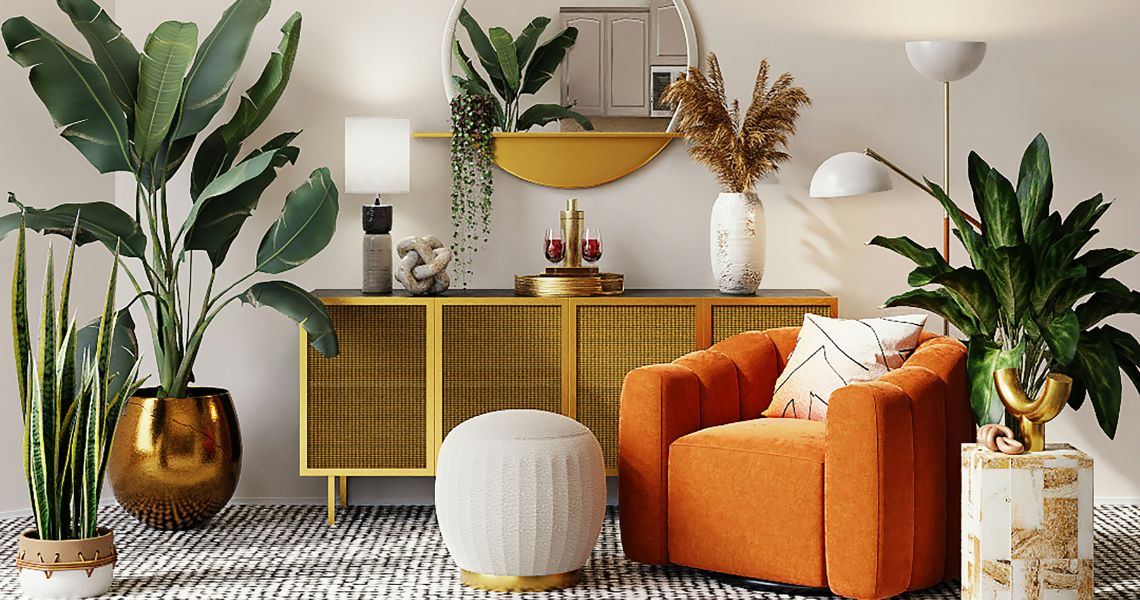
Creating a vibrant garden is like painting a masterpiece; it requires careful thought, planning, and an eye for colour. A well-coordinated colour palette can transform a simple garden into a stunning outdoor oasis.
Whether you’re working with a tiny balcony or an expansive backyard, these seven tips will guide you through visual analysis and designing a vibrant garden that radiates colour and vitality. With the right approach, your garden can truly come alive and reflect your personal style.
1. Understand Colour Theory
Before you start planting, it’s essential to understand some basics of colour theory. Colours can evoke emotions and set the mood in your garden. Here are a few key concepts to consider:

- Primary Colors: Red, blue, and yellow. These colors cannot be created by mixing other colors.
- Secondary Colours: Green, orange, and purple. These are created by mixing two primary colours.
- Tertiary Colours: These are formed by mixing a primary colour with a secondary colour (like red-orange or yellow-green).
When planning your garden, think about how these colours work together. Complementary colours, which are opposite each other on the colour wheel (like blue and orange), create contrast and energy. Analogous colours, which are next to each other (like blue, blue-green, and green), offer harmony and a more serene look. Use these principles to guide your selections and ensure your garden reflects the mood you want to create.
2. Choose a Focal Point
Every vibrant garden needs a focal point—a centrepiece that draws the eye and provides a sense of structure. This could be a unique sculpture, a beautiful tree, or even a vibrant flower bed. Once you have your focal point, you can build your colour palette around it.

For example, if your focal point is a bright red sculpture, consider incorporating shades of red in your flowers or plants. Pairing it with contrasting colours like greens and whites can make the focal point stand out even more. Use the focal point as the anchor for your design, and allow other elements in your garden to complement it.
3. Layer Colours with Plant Selection
Layering colours is an effective way to add depth and dimension to your garden. When selecting plants, think about the height and spread of each variety. Taller plants can serve as backdrops, while shorter plants can fill in the front.


- Tall Plants: Consider using sunflowers, hollyhocks, or delphiniums in the back. Their height provides a stunning backdrop for shorter flowers.
- Medium Plants: Flowers like coneflowers or black-eyed Susans can fill in the middle ground, adding colour and interest.
- Short Plants: In the front, use low-growing plants like petunias, alyssum, or creeping thyme to create a lush carpet of colour.
By mixing different heights and colours, you create a visually dynamic garden that captivates the eye. Layering also allows you to experiment with different colour combinations without overwhelming the space.
4. Consider Seasonal Changes
A vibrant garden isn’t just about colour; it’s also about seasonal changes. Think about how your colour palette will evolve throughout the year. Select plants that bloom at different times to ensure that your garden remains colourful in every season.

For instance, spring bulbs like tulips and daffodils can be followed by summer perennials like daylilies and lavender. In the fall, consider adding plants like chrysanthemums or ornamental kale that bring warm hues to the landscape.
Additionally, evergreens provide structure and colour even in winter. By selecting a diverse range of plants that bloom in various seasons, you can ensure your garden remains vibrant year-round.
5. Use Containers for Colour
If you’re limited on space or want to experiment with colours more freely, containers are a fantastic option. They allow you to mix and match plants easily and change them out as seasons change. Here are a few ideas for using containers to enhance your garden palette:

- Colour Coordination: Choose containers in colours that complement your plants. A bright blue pot can make yellow or orange flowers pop.
- Vertical Gardens: Use tiered planters to create a vertical garden filled with a variety of colours. This maximizes space while creating a visually striking display.
- Seasonal Swaps: Change out the plants in your containers as the seasons change. For example, swap summer flowers for fall chrysanthemums for a fresh look.
Containers also provide flexibility, allowing you to move plants around to find the perfect arrangement. They’re a great way to experiment with colour combinations without committing to a permanent planting.
6. Incorporate Textures and Forms
Colour is just one aspect of creating a vibrant garden; texture and form play crucial roles too. Mixing plants with different leaf shapes, sizes, and textures adds interest and richness to your garden design.
Consider these examples:
- Bold Textures: Use plants with large, dramatic leaves, like hostas or elephant ears, to create a striking contrast against delicate flowers.
- Varied Forms: Incorporate plants with different forms, such as upright spiky plants like yucca alongside round, bushy flowers like peonies. This combination can create visual tension and intrigue.
- Ground Covers: Use ground cover plants like creeping jenny or moss to create a soft texture that complements the bolder plants.
By layering textures and forms alongside your colour choices, you create a garden that feels full and vibrant, engaging the senses in more ways than one.
7. Use Accessories to Enhance Colours
Finally, don’t forget the role of accessories in enhancing your garden’s colour palette. Items such as garden furniture, decorative stones, and garden ornaments can tie your colour scheme together and provide a polished look.

Here are some tips for using accessories effectively:
- Choose Colourful Furniture: If you have a seating area, consider bright cushions or chairs that complement your garden colours. This adds to the overall vibrancy while providing a space for relaxation.
- Decorative Stones: Use coloured gravel or stones to create pathways or garden beds that harmonize with the flowers around them.
- Garden Décor: Incorporate colourful pots, birdhouses, or sculptures that echo the colours found in your plants. This creates a cohesive look and enhances the vibrancy of your garden.
Accessories not only add personality but also reinforce your colour palette, making your garden feel complete.
Conclusion
Creating a vibrant garden palette is all about understanding colour, layering plants, and incorporating accessories. By utilizing these seven visual tips, you can transform your outdoor space into a stunning reflection of your personality and creativity. Remember to experiment, have fun, and let your garden evolve over time. With a little thought and care, your garden can be a colourful haven that brings joy and beauty to your life. Happy gardening!
Images courtesy of unsplash.com, pexels.com